The threat to free speech, in Hong Kong and elsewhere, and 10 ways to safeguard it, according to historian Timothy Garton Ash
The British historian’s research shows an erosion of freedom around the world; on a recent visit to the city, he talked about the global conversation on freedom he initiated and ideas it has yielded

Timothy Garton Ash has arguably lived a far more exciting life than your average Oxford University don. The British historian, author and commentator was a student in Berlin when political magazine The Spectator asked him to cover what turned out to be the fall of communism in Germany. And despite having the sharp, critical intellect that makes him a perfect fit for academia, he has always kept a foot in the real world, writing newspaper columns and travelling widely.
Since his most recent book, Free Speech: Ten Principles for a Connected World, was released last summer, he has passed through the United States, Canada, Germany, India, Poland, Austria, Hungary and several other European countries.
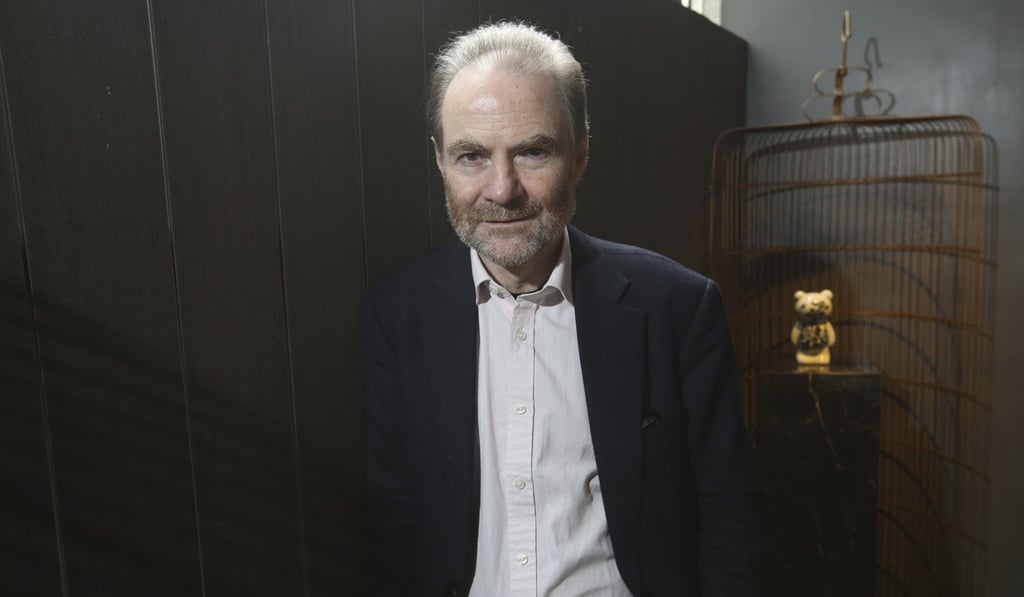
“It’s been a very intense time-lapse photography of the state of free speech around the world,” says Garton Ash, who spoke recently at a Hong Kong International Literary Festival event and to students at the University of Hong Kong.
Book tours are nothing new to Garton Ash – he has penned 10 works of political writing, including In Europe’s Name (1993), The File: A Personal History (1997) and Facts are Subversive (2009). But this one is different.
Britain has a certain responsibility for what happens in Hong Kong, but I’m afraid ... that post-Brexit, Britain is not very visibly standing up for human rights and free speech
“It’s not like another book where, in the Chaucer phrase, you say ‘Go little book and your fate will be what your fate will be’ and maybe I talk about it for three months at festivals, because this is an ongoing process,” says Garton Ash.