Chinese college teaching women to be ‘perfect’ in the Xi Jinping era
Along with education, women in China’s ‘new era’ are being taught to embrace traditional roles as wives and mothers

At a college in Zhenjiang, Jiangsu province, Duan Fengyan is studying to be an accountant. She is also getting lessons in how to be a woman in the time of President Xi Jinping.
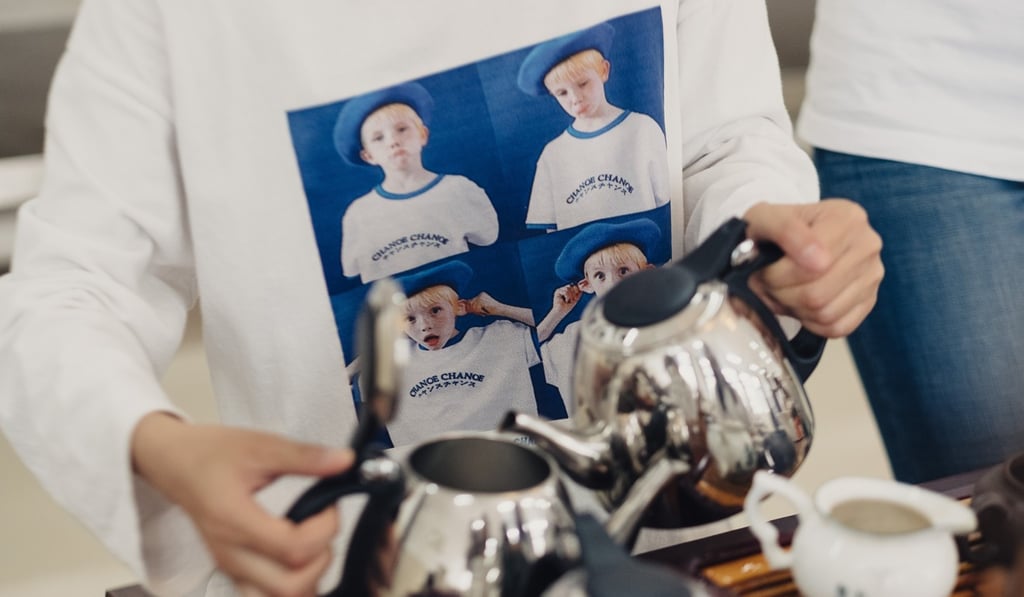
On a training course launched in March, not long after China abolished presidential term limits, Zhenjiang College and the All-China Women’s Federation are teaching female students how to dress, pour tea and sit just so – all in the name of Xi’s “new era”.
“You must sit on the front two-thirds of the chair – you cannot occupy the whole chair,” says Duan, 21, demonstrating. “Now, hold in your belly, relax your shoulders, legs together, shoulders up.”
The class, offered only to female students, aims to develop “wise”, “sunny” and “perfect” women, where wisdom comes from studying Chinese history and culture, sunniness from oil painting and etiquette classes, and perfection from the application of (never too much) make-up.
The Communist Party wants women educated, yes, but with economic growth slowing and the population shrinking, it is bringing back the idea that men are breadwinners and women are, first and foremost, wives and mothers. It is teaching young women that this is the norm.
The college launched the New Era Women’s School to heed Xi’s call for education in traditional Chinese culture and to help women compete in the job market, says Sheng Jie, who runs the programme, but also to prepare them for domestic roles. “Women’s family role is more important now,” she says.