How Michele Lai came up with Kids4Kids, Hong Kong’s game-changing social enterprise
- The scheme teams teenagers with younger children in local schools and makes them reading buddies
- The organisation empowers those involved by encouraging them to be creative in deciding how to run their sessions

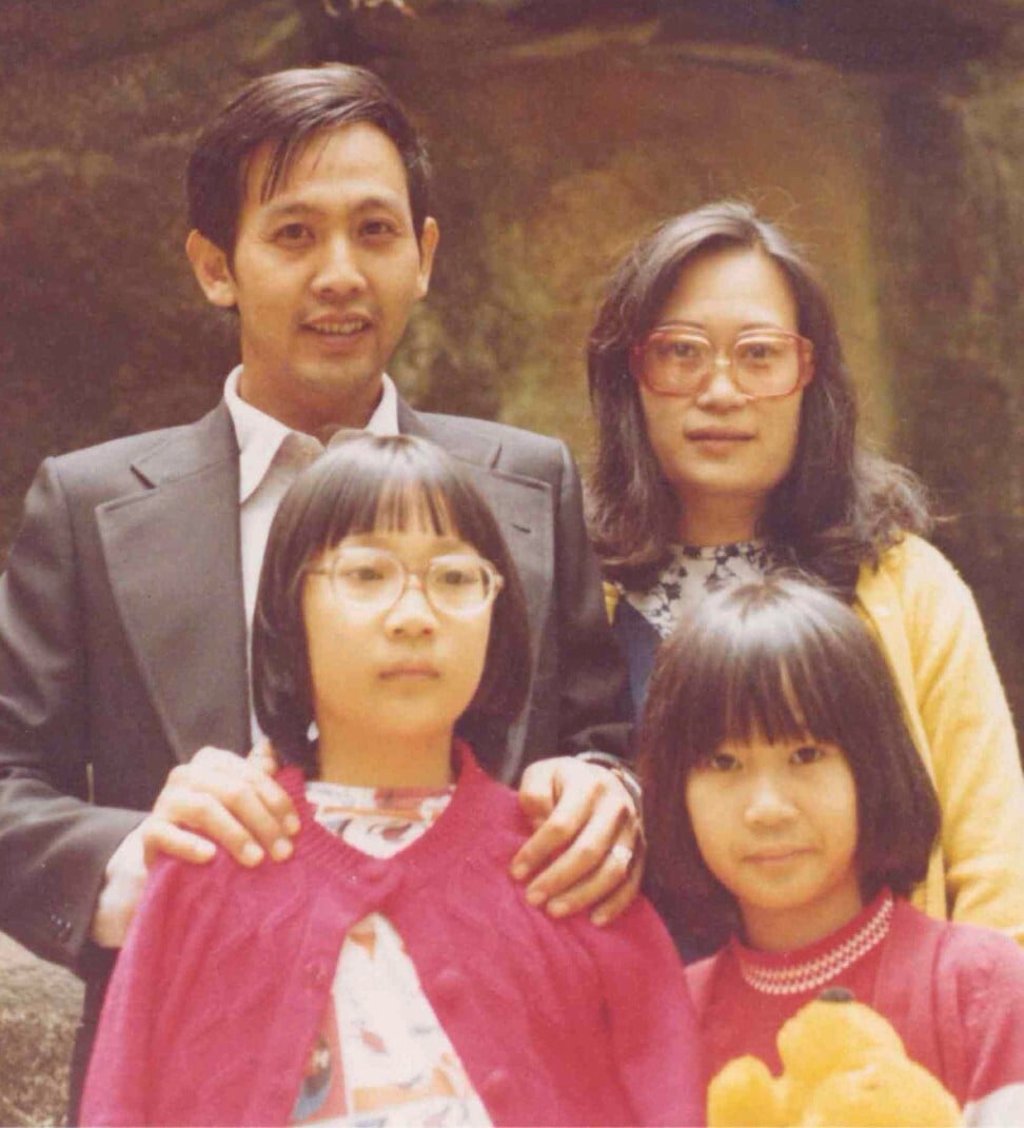
Going south: The race riots in Malaysia, in May 1969, changed the landscape of the country. When I was born, in July that year, a second daughter to my parents, they had already decided they would leave the country at some point for a better future. My father was a marketing director for a car company. We had four domestic helpers and lived a privileged life.
It wasn’t until 1980 that we emigrated to Perth, Australia. My mother found it hard to adapt. She had to do everything herself and was in tears every day. My sister and I helped with the cleaning, but we didn’t know how to cook. We accepted whatever mum put on the table, whether it was baked beans or rice. Dad bought a car dealership north of the city.
It wasn’t a place where there were many Asians. My sister and I went to a public school where there were just two other Asian students. My sister was taunted at school for being Asian and would come home crying. I let racist comments slide off me more easily. In high school I chose easy subjects, like film studies and woodwork, and my parents never objected. When I was older and wanted to get into physics and higher maths I realised I couldn’t. In the end, I did well in high school, but it would have been a struggle to study medicine.
A man’s world: I went to Curtin University, in Perth, to study IT. It was the days of mainframes and really not me, so I switched to marketing. University was the first time I was exposed to a lot of Asians. I spent a lot of time putting on social events for the international student community. Not only did I earn money, it also meant I had some good, practical experience.
I got a job with Toyota Australia and moved to Sydney. Japanese firms are traditionally male-dominated, and I was in a very male industry. After a year, I was moved to product planning and development, the first woman in a non-secretarial position in that department. One of my colleagues suggested I go for my truck licence, so I did. People would do a double take seeing an Asian woman behind the wheel of a truck.
Fast track: I got to know the Toyota team in Hong Kong when they came to Australia for the launch of the Lexus ES300. They said if I ever came to Hong Kong, they’d have a job for me. In 1993, I decided to take them up on it. In Australia, I always felt you moved up the corporate ladder based on seniority; you had to do your time. But in Hong Kong, if you worked hard and proved yourself, you could move fast and succeed.