ProfileMusician Ying Ying Liu on growing up during the Cultural Revolution, going West, and connecting young people with nature through her charity LumiVoce
- The daughter of one of China’s most celebrated composers, Ying Ying Liu learned to play piano, read orchestra scores and conduct from a young age
- She founded NGO LumiVoce in 2016, producing music tracks of classical melodies mixed with indigenous sounds and rhythms which she has performed widely

Breaking records I was born in 1963, in Liaoning province, northeast China, the youngest of four children. I was an “accident”. My father’s name is Liu Chi, which means “big fire”. He is one of the most celebrated Chinese composers. He named me Ying Ying, which means “firefly”, so I’m daddy’s little fire.
I had an amazing relationship with my dad. My mother was a choreographer and later became a painter and I grew up surrounded by artists. When I was three years old, the Cultural Revolution happened and my father was seen as a stinky intellectual and taken away, beaten up and put into struggle meetings. My home was looted three times by Red Guards – they smashed our records and tore the pages out of our books.
My father was sent to the countryside for re-education. In hindsight, it was fortunate because if he’d stayed in the city his situation would have been even more bleak. When I was six, me, my mother and two of my siblings were sent to the countryside and my older sister was sent to a different place.
Field work At the beginning, there were times when we had barely anything to eat, but my mum had a green thumb and quickly learned how to grow food on a small plot of land. We raised chickens, ducks, pigs and even had a pet squirrel. I went to school in a simple brick building. There were many intellectuals, including teachers, who were exiled to the countryside, so we actually had proper teachers.
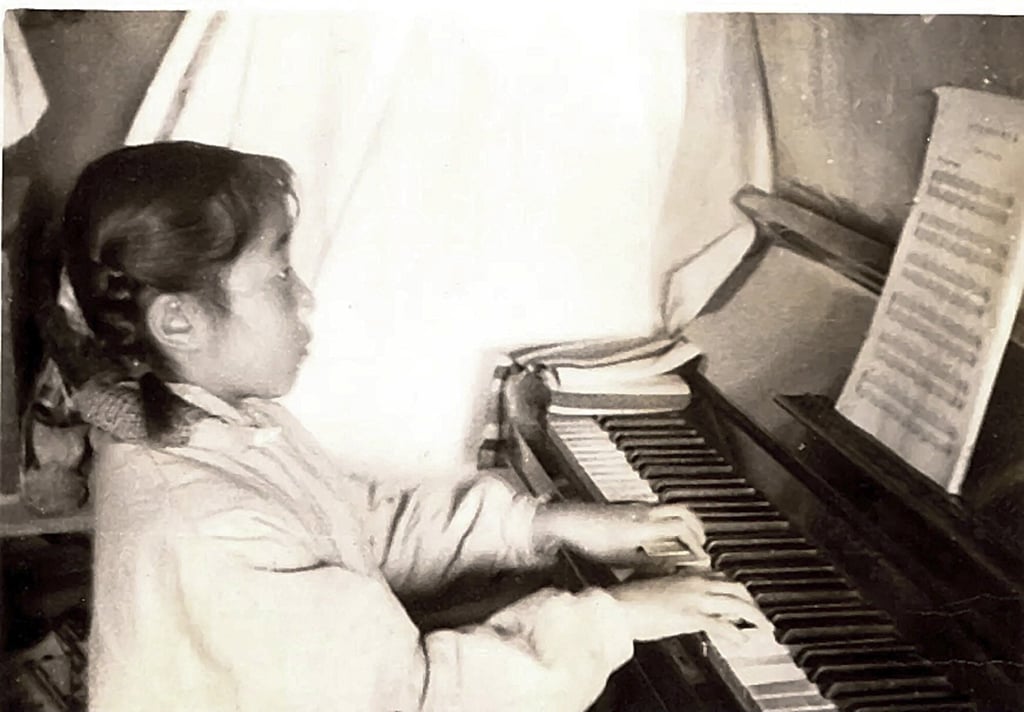
During the harvest and planting time, every single hand had to be in the field to help and school was stopped. I learned how to grow rice, corn, soybean and cotton. I grew up close to the land, close to nature and animals. In the winter, my parents had to get up early to clear the irrigation channels. They walked 20km (12.4 miles) in the dark to arrive at first light and took me with them. I remember sitting on a big pile of coats they’d taken off while they worked, and we walked home together in the dark.