Mozambique’s Bazaruto archipelago: a five-island haven of pristine nature, both above and below the surface
- Relatively unscathed by climate breakdown, these remote idylls are a diver’s paradise
- Marvel at the perfect ‘pansies’ that lent their name to an island - just don’t take one home

Waves slap the hull, making the speedboat shudder, and I wonder whether this adventure will end before it has even begun.
“The ocean is like a washing machine before we reach the reef,” says Tyron Brennon, suggesting the going will be easier thereafter. A dive instructor on Benguerra – the second biggest island in Mozambique’s Bazaruto archipelago – Brennon is right, the boat stabilises once we reach 2 Mile Reef.
It’s early morning as we begin exploring this wild part of the Indian Ocean. As we descend through clear, azure water towards the reef, we pass schools of darting fusilier and surgeon fish. Consisting of hard and soft corals, the reef lies about 15 metres below the surface. Fishing on the 3km reef is prohibited and life flourishes in this part of the 1,430 sq km Bazaruto National Park.
Established in 1971, the park came under the purview of African Parks, a non-governmental organisation focused on conservation, in December 2017, and is a sanctuary for more than 2,000 fish species and iconic megafauna such as humpback whales, sharks, rays, dolphins and turtles. Top billing, however, goes to the dugong, the mammal believed to have inspired the myth of the mermaid. About 300 graze the beds of sea grass in the channels, making Bazaruto home to the last viable dugong population in the western Indian Ocean.
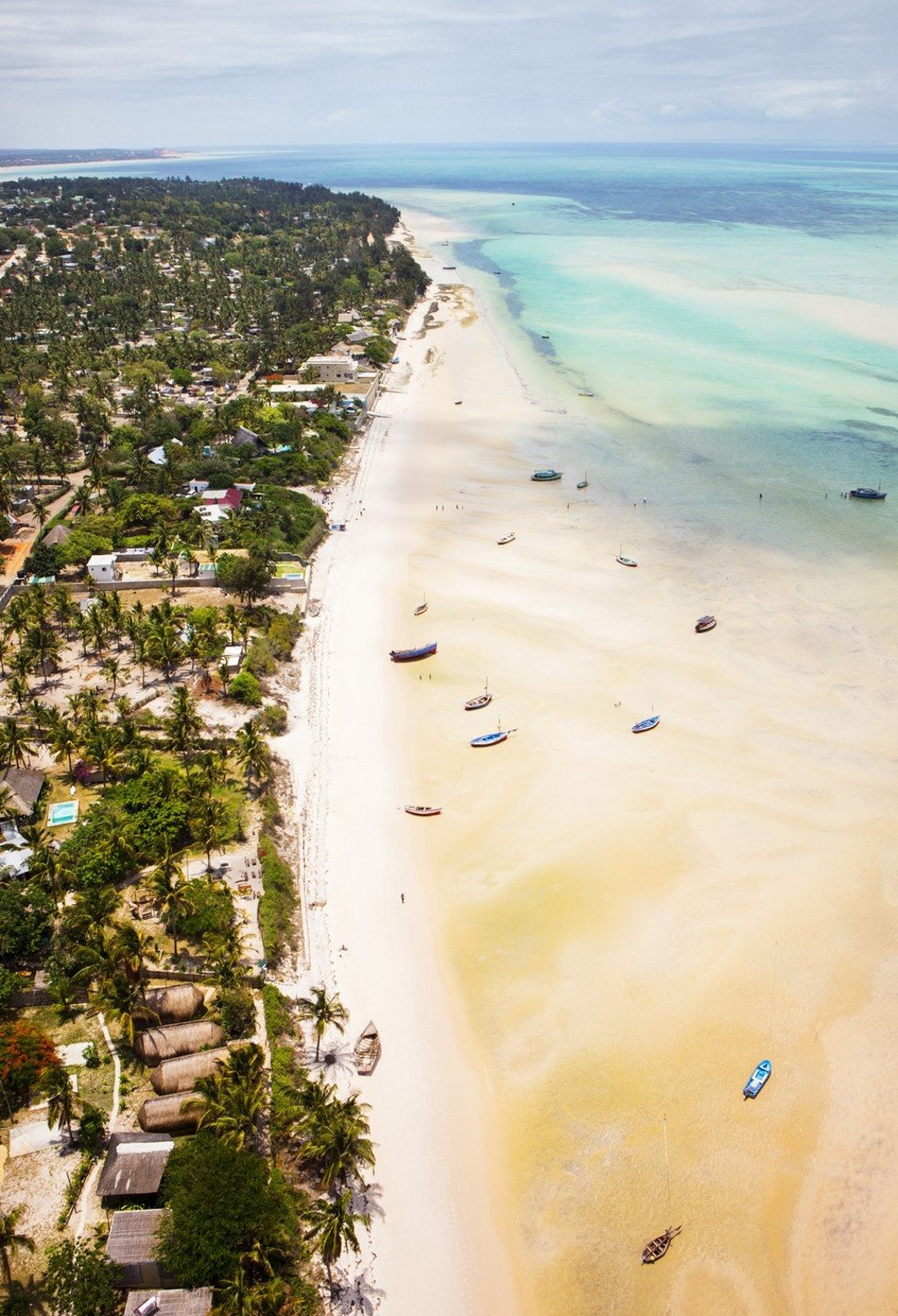
The reefs surrounding the Bazaruto islands remain relatively healthy compared with the many that have suffered from rising global water temperatures and other effects of climate breakdown.