In the footsteps of Coco Chanel, Colette and Simone de Beauvoir in central France
- The countryside of Corrèze in central France helped pioneering feminist Simone de Beauvoir find personal and sexual freedom
- It also gave taboo-breaking novelist Colette a break from hedonistic Paris and provided shelter and inspiration for Chanel’s revolutionary designer

Steep hills, dense forests, rushing streams: the Corrèze department, deep in central France, is known for its nature and adventure pursuits. But the obscure verdure also harbours traces of some of France’s most influential women.
This sparsely populated, far-from-wealthy county was crucial in the political careers of two recent presidents, François Hollande and Jacques Chirac – you can sit in the former’s favourite cafe in the vertiginous town of Tulle, where he was mayor, or visit the latter’s extraordinary museum of presidential gifts, set in a forest clearing at Sarran – but to follow in the footsteps of Corrèze’s women is far more rewarding.
These include 20th century greats whose groundbreaking works had far more lasting clout than anything the politicians did: the pioneering feminist Simone de Beauvoir, the taboo-breaking novelist Colette and – with the most telling traces of all – the revolutionary fashion designer Coco Chanel.
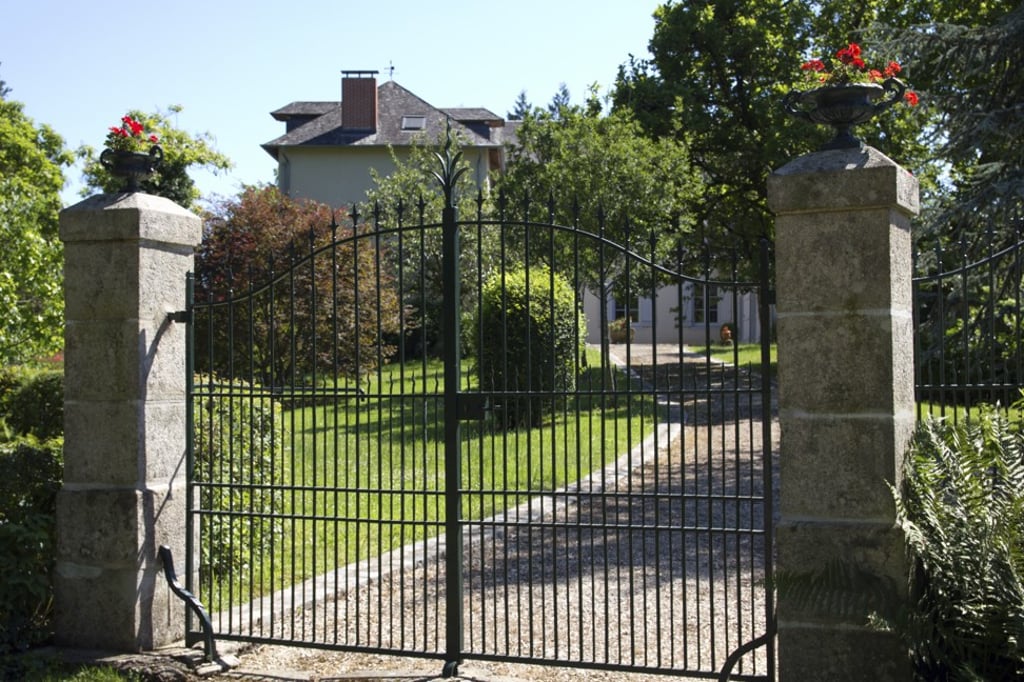
Beauvoir – celebrated existentialist philosopher and author of pioneering feminist work The Second Sex (1949) – spent her childhood summer holidays, up to the age of 21, at her paternal grandparents’ country house, Meyrignac, near the village of Saint Ybard. Enjoying a wonderful fantasy life in its wooded gardens, with their “cedars or wellingtonias, purple beeches, Japanese dwarf trees, weeping willows, magnolias and araucarias […] shrubs, bushes, thickets”, as she remembered in her autobiography, here she had a freedom never given to her at home in Paris by her strict parents, and Beauvoir treasured Meyrignac’s memory her whole life.
Now home to a different family, the house and gardens can be visited only by appointment – but passers-by can peek at them over low fencing. You may just catch sight of the iron table under the flowering catalpa tree at which Beauvoir wrote her first novel, at the age of 15.