Island-hopping in the Stockholm archipelago – Nordic cuisine, glamping and bracing dips in the Baltic Sea
- About an hour from Sweden’s capital city lies a network of several thousand islands
- Some are blissfully tranquil and unspolit, offering an easy escape from the urban environment

It’s late August, after 9pm, and the dark blue light beloved by photographers lingers over the Swedish island of Fejan. Unruffled by any Baltic Sea breeze, the crooked pine trees are perfectly still. If it weren’t for the flies swarming around our grill-cooked dinner, all would be at peace.
We eat from a small table, on a wooden patio, on a mountain ledge. And even though the ledge is little more than an hour from downtown Stockholm (by private car and private boat), it feels as though we have been embraced by the vast Lapland forests of northern Sweden.
It’s the feeling that appealed to David Kvart, who has brought “glamping” to the island, through his company, Fejan Outdoor. His canvas tents contain modern beds and linen, hand-woven rugs and blankets. But when he shows the outhouse and alfresco shower to foreign guests, he says they sometimes “look puzzled” at the spartan facilities.
“But nobody has ever complained, and so far the shower hasn’t even been used; everyone swims in the sea,” says Kvart, as he joins us for dinner. He describes his typical guests as being “adults over 30 who long for nature, but haven’t been scouts as kids or slept in tents.”
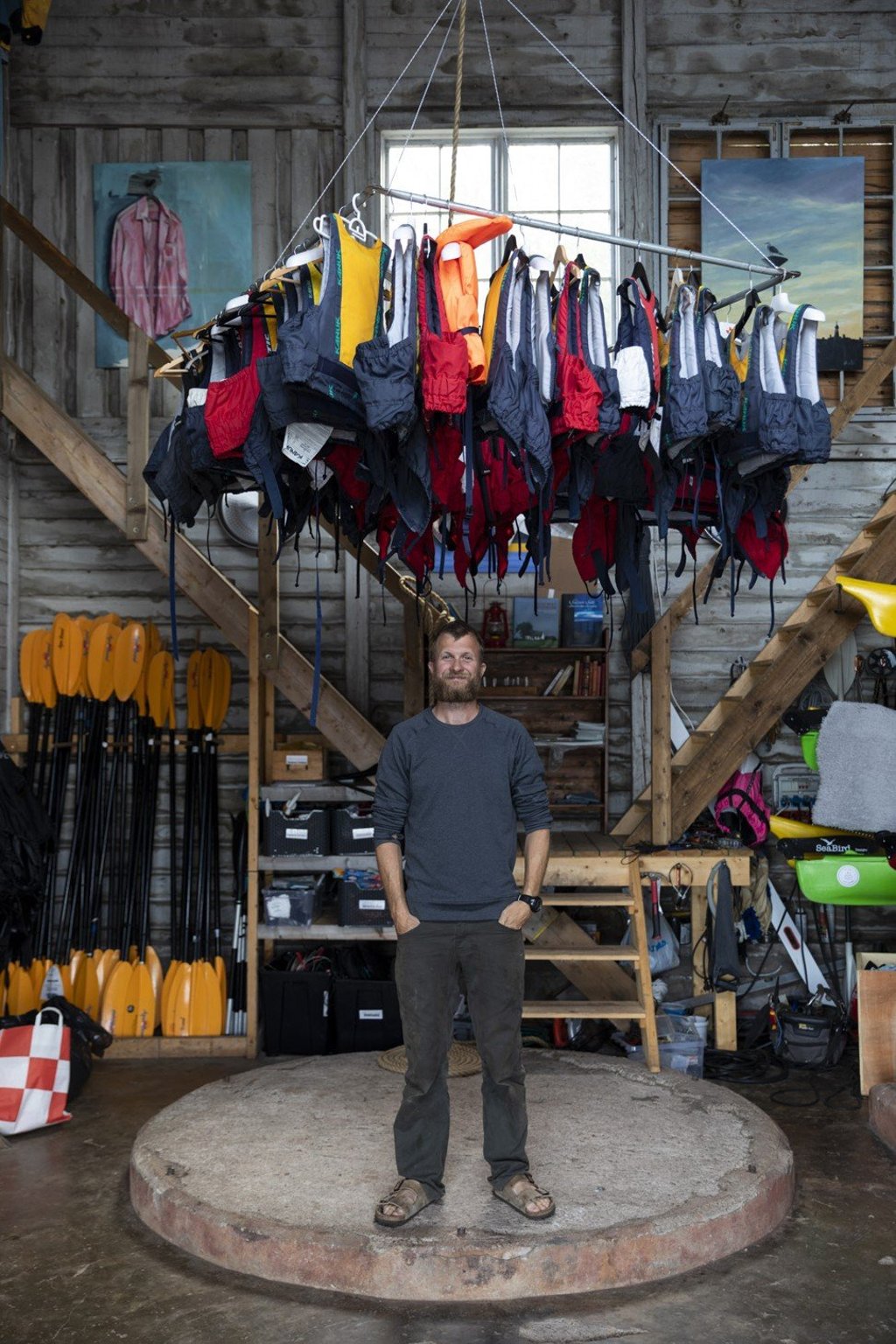
Fejan, which measures 600 metres by 1,600 metres and can be strolled around in about two hours, has a permanent population of 10. Other than Kvart’s campsite, the island has a newly renovated restaurant and a hostel, as well as several abandoned buildings that were part of a quarantine station built in the late 1800s during a cholera epidemic. There are no roads, only paths.