BTS member Suga sampled a murderous cult leader in What Do You Think? and Blackpink used Ganesha as a prop in the music video for How You Like That: why can K-pop be so culturally insensitive?

- GFriend’s Sowon’s Instagram photo with a Nazi mannequin was just one inappropriate move by a top K-pop idol over the last year
- As the hallyu wave goes global, with BTS nominated for a Grammy and appearing on Jimmy Fallon’s show, fans call for more cultural awareness in the industry
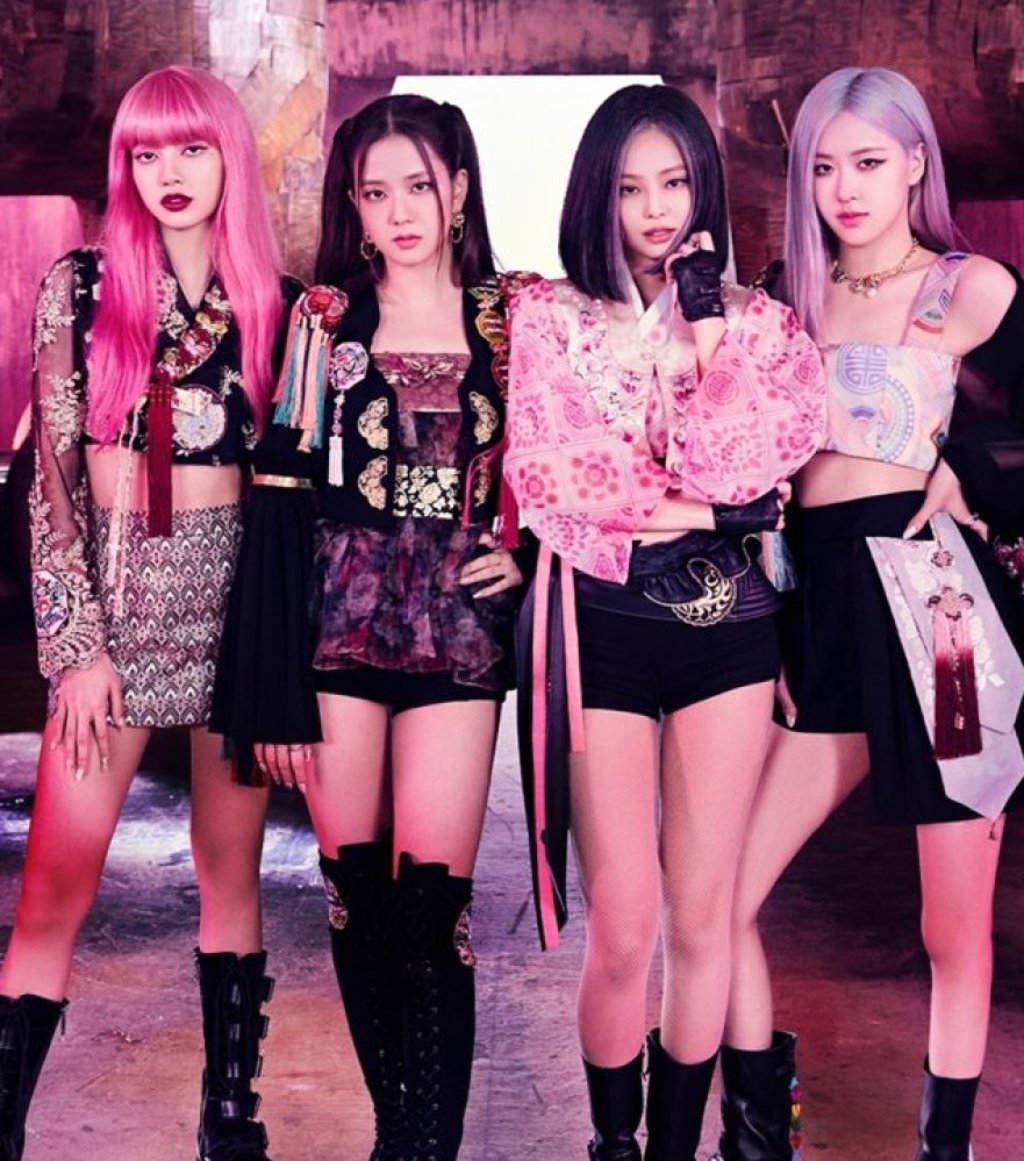
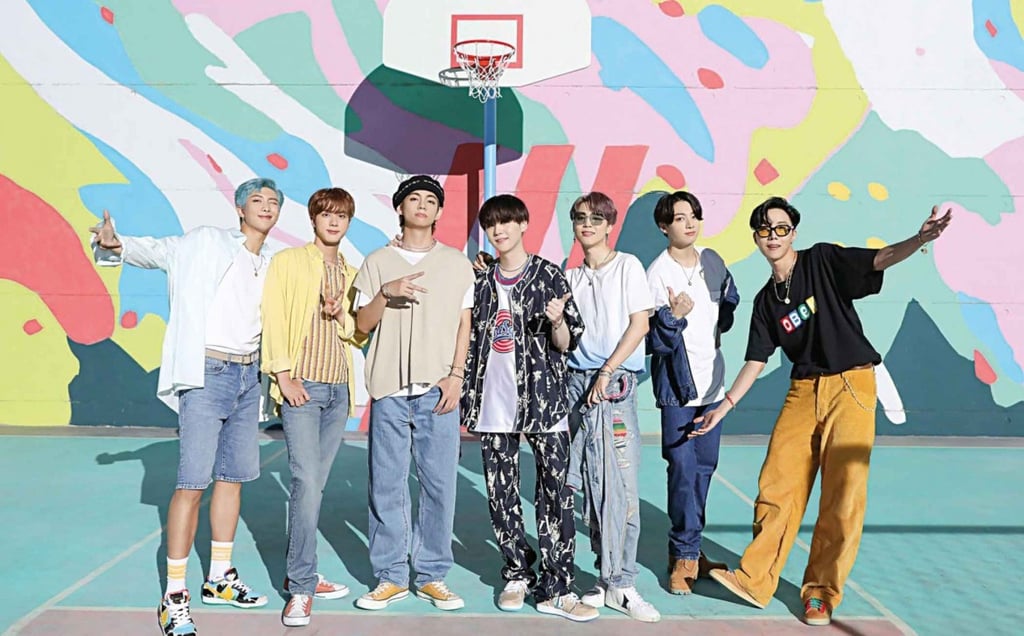
K-pop act GFriend’s leader Sowon apologised last week for sharing photos of herself hugging a mannequin dressed as a Nazi soldier. In July, girl group Blackpink’s How You Like That music video caused a stir for using a statue of the deity Ganesha – an elephant-headed Hindu god – without understanding its significance to Indian fans. K-pop titan BTS’s record label Big Hit Entertainment also issued an apology in May for sampling a sermon by Jim Jones in BTS rapper Suga’s song What Do You Think? The infamous cult leader was responsible for the deaths of more than 900 people in Guyana in 1978.
“Today, K-pop is not only for Koreans. Stars and their companies are setting their sights on the global market, so they should listen to the voices from people in different cultures,” Lee Gyu-tag, a professor of cultural anthropology at George Mason University Korea, said. “They need to learn about various cultures, taboos and history to better understand their fans.”
This view is echoed by pop culture critic Kim Hern-sik, who believes K-pop management companies should create new departments or teams to handle such issues.
“Music videos, for instance, are usually made by producers who do not belong to a K-pop label. But each company needs to make a team and let its employees thoroughly check whether its K-pop content could be offensive to some people,” he said. “They should stay more vigilant because a controversy tied to cultural or historical issues can tarnish a singer’s reputation to a great extent. It is also crucial to swiftly take action – such as making an apology – if a company later finds out that something went wrong.”
Korean fans at odds with those in other countries