Advertisement
Advertisement
Advertisement
Why is Korea so quick to cancel its stars? Seo Ye-ji was quickly dropped from advertisements and K-drama Island after scandals – but Hollywood stars often survive far greater backlash
STORYThe Korea Times

- Jisoo left River Where the Moon Rises due to bullying accusations and K-pop idol TVXQ’s U-Know Yunho was slammed for violating Covid-19 social distancing rules
- Local pop culture critics explain that Korean social values, and the rise of reality TV shows and social media, lead to close scrutiny from fans
The support and adoration of fans can be a double-edged sword for celebrities. Public attention plays a vital role in stars achieving success in the entertainment industry; but the excessive curiosity of fans can sometimes prove problematic, especially when it can lead to their idols’ sudden downfall.
Rising stars Jo Byeong-gyu, Park Hye-soo and Kim Ji-soo, aka Jisoo, faced bullying accusations that forced them to forfeit upcoming or ongoing projects. Jo had to leave the reality show Come Back Home in which he was set to star, while Park’s new series Dear. M was cancelled just before its premiere. Jisoo had to step down from the series River Where the Moon Rises while the show was still running.
Rising stars Jo Byeong-gyu, Park Hye-soo and Kim Ji-soo, aka Jisoo, faced bullying accusations that forced them to forfeit upcoming or ongoing projects. Jo had to leave the reality show Come Back Home in which he was set to star, while Park’s new series Dear. M was cancelled just before its premiere. Jisoo had to step down from the series River Where the Moon Rises while the show was still running.

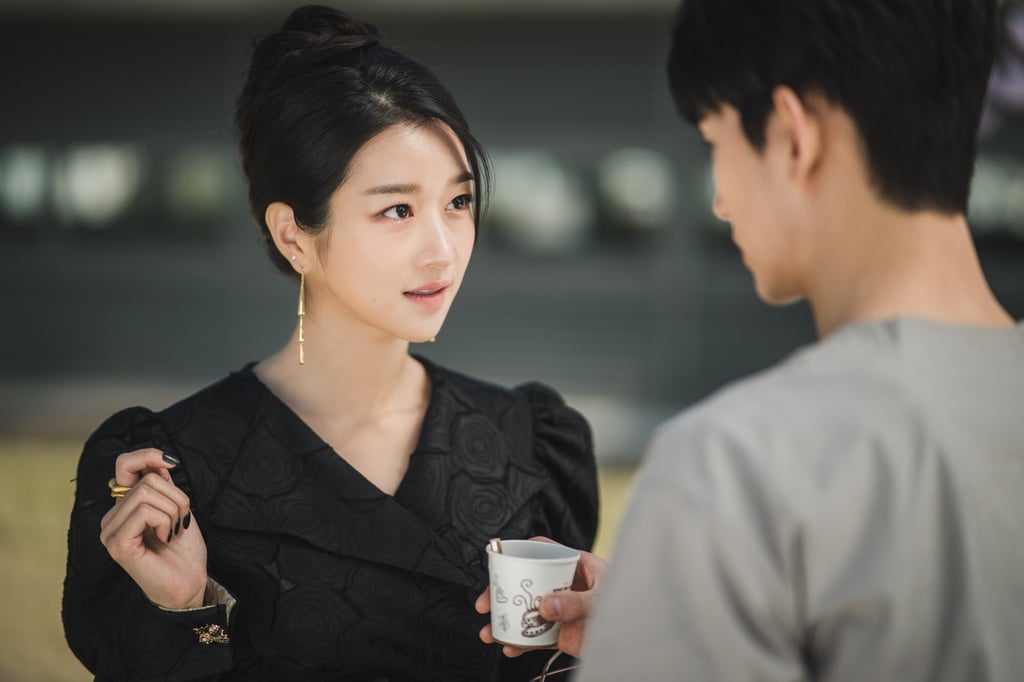
Bullying allegations are not the only scandals that can damage stars’ careers. Actress Seo Ye-ji has been making headlines recently by allegedly “controlling” her ex-boyfriend, as well as other issues such as alleged rude behaviour to support staff, which caused her to lose lucrative advertising deals.
The fate that Korean stars face for alleged misconduct stands in stark contrast to what happens to Hollywood celebrities. American actor Joaquin Phoenix cursed at his cinematographer on the set of the film Joker, while British actress Lily James has been accused of an affair with married actor Dominic West. But those incidents barely affected their flourishing careers.
So why is the standard so different in the Korean entertainment industry?
The fate that Korean stars face for alleged misconduct stands in stark contrast to what happens to Hollywood celebrities. American actor Joaquin Phoenix cursed at his cinematographer on the set of the film Joker, while British actress Lily James has been accused of an affair with married actor Dominic West. But those incidents barely affected their flourishing careers.
So why is the standard so different in the Korean entertainment industry?
Advertisement
Conformity and obedience
Song Jae-ryong, a sociology professor at Kyung Hee University, reasoned that Korean celebrities sometimes fall victim to high expectations in a collective society where conformity and obedience are valued and being different is frowned upon.
Because celebrities stand out and draw the public’s attention, people tend to be less tolerant of any perceived moral or ethical misconduct
“Koreans have a strong tendency to take sides [as a group], putting those from different social groups on the opposite side,” the professor said. Song added that this leads people to be less understanding or accepting of those who are different from the majority.
“Because celebrities stand out and draw the public’s attention, people have adverse feelings toward how their lives are different, and tend to be less tolerant of any perceived moral or ethical misconduct.”
Why China’s growing presence in K-dramas is upsetting Koreans
Pop culture critic Kim Hern-sik added that a collective social structure places moral standards above an individual’s privacy, subjecting publicly known figures to a strict code of conduct.
“Because Koreans value social and ethical norms before privacy, we tend to prioritise the social impact of a person’s actions,” he said. “Also, Korea has a centralised media structure – although it is changing with the emergence of social media and digital media outlets – so if the issues are raised by a few media outlets, they spread quickly and have a huge impact.”
Pop culture critic Kim Hern-sik added that a collective social structure places moral standards above an individual’s privacy, subjecting publicly known figures to a strict code of conduct.
“Because Koreans value social and ethical norms before privacy, we tend to prioritise the social impact of a person’s actions,” he said. “Also, Korea has a centralised media structure – although it is changing with the emergence of social media and digital media outlets – so if the issues are raised by a few media outlets, they spread quickly and have a huge impact.”
Consequences of voyeuristic reality shows
Select Voice
Select Speed
1.00x