Advertisement
Advertisement
Advertisement
Celebrities

How will China’s strict new entertainment rules affect K-pop idols? Fans of BTS and Blackpink can say goodbye to bulk-buying albums, paid votes on TV shows and gender-bending fashion …

STORYThe Korea Times
Male K-pop idols like Ateez member Hongjoon, Shinee’s Taemin and Stray Kids’ Felix have been challenging gender boundaries and ideas of beauty, but will that soon cease to exist entirely in China? Photos: @ATEEZofficial/Twitter; @smtown/, @realstraykids/Instagram
K-pop idols

  • BTS’ Army and other fan clubs are notorious for bulk-buying albums, but Tencent’s music streaming service, QQ Music, has slapped customers with restrictions
  • Twice, NCT and Shinee’s agencies have already seen stock prices drop as the Chinese government cracks down on ‘immoral’ entertainers to ‘improve’ fan culture
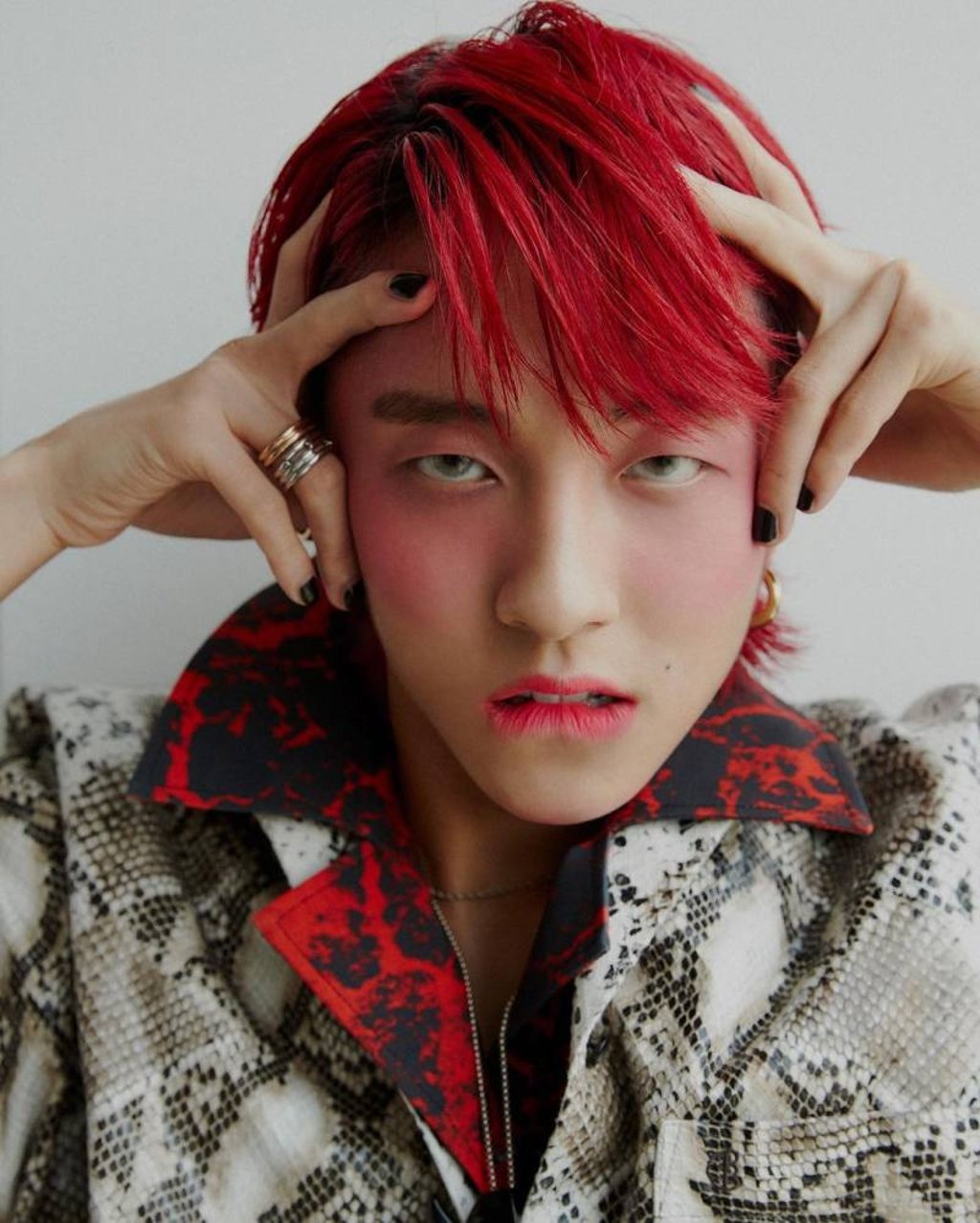
The Cyberspace Administration of China issued a notice on August 27 saying it will implement 10 measures to improve fan culture, including the scrapping of ranking entertainers and halting paid voting systems on entertainment TV shows.
Holland is known as one of K-pop’s openly gay idols who challenges ideas of beauty. Photo: @holland_vvv/Instagram

The Chinese government’s attempts to regulate its entertainment sector will affect the K-pop industry, because China is the top source of revenue for Korea’s leading entertainment agencies.

Right after the notice was announced, Tencent’s music streaming service, QQ Music, restricted customers from purchasing more than one copy of an album online.
Advertisement
Shinee’s Taemin has been experimenting with his style as a solo artist over the years. Photo: @smtown/Instagram

Total exports of K-pop albums in July this year surged 3.6 times year-on-year to US$26 million (30.7 billion won). Sales coming from China reached US$8.25 million, which was the biggest amount ever. But the Chinese regulation is expected to affect this trend, while local securities firms say they will have to see the actual impact of the regulations during the third quarter of this year before estimating monetary losses.

“Because album sales are based on individual purchase, it is difficult to accurately predict the impact of the restrictions until we confirm the decline in sales in the third quarter,” said Park Da-gyeom, a researcher at Hi Investment & Securities.
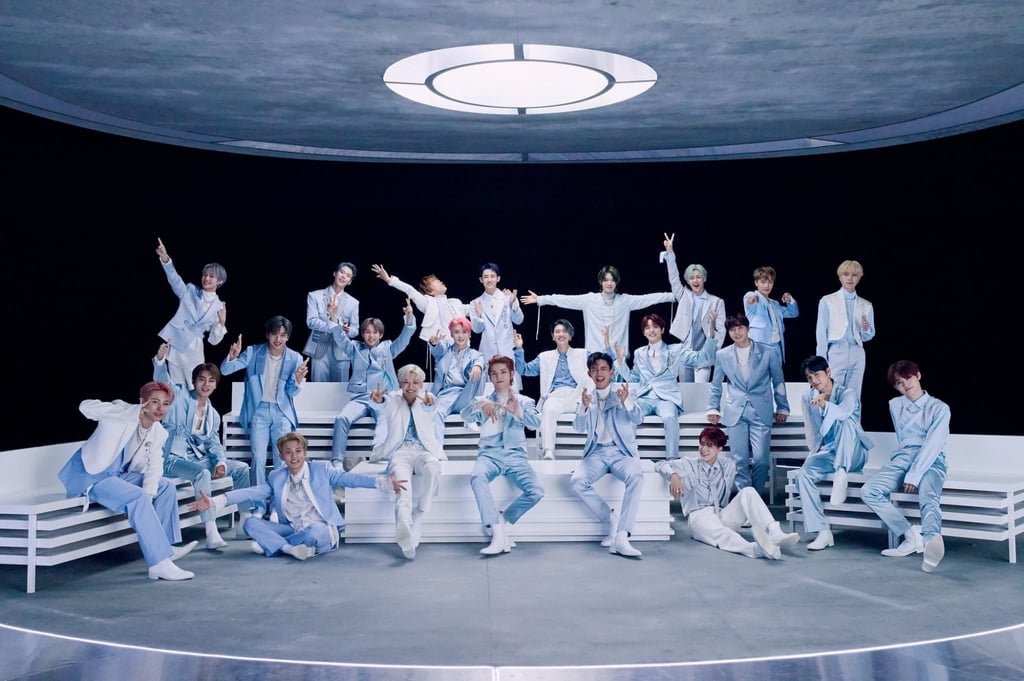
NCT launched their album, NCT 2020 Resonance Pt. 2, at the end of 2020. Photo: SM Entertainment
China’s State Administration of Radio, Film and Television (SARFT) also issued the “Directive on Increasing Oversight of Entertainment Programmes and their Personnel” on September 2, banning effeminate boy bands from starring in idol talent shows broadcast on TV networks and internet platforms.

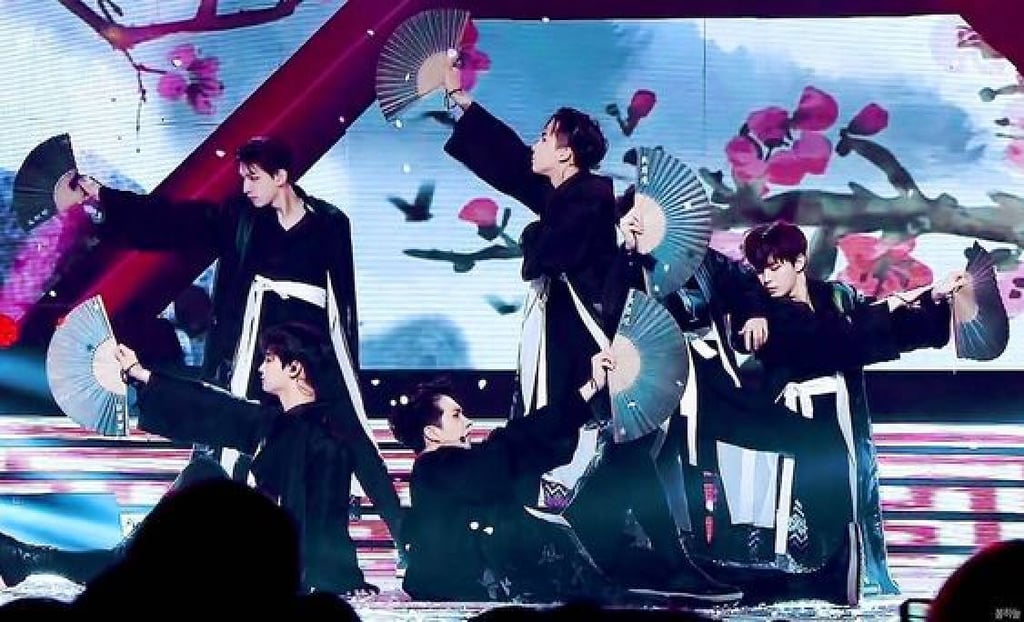
Vixx’s track Shangri-La in 2017 was widely popular for its use of traditional Korean hanbok. Photo: @leedonade/Twitter
Chinese authorities said these regulations aim to eliminate immoral entertainers who commit illegal activities, and television stations will cast actors and singers based on their political sophistication, moral conduct and social assessment.

A day after SARFT’s announcement, the stock prices of Korea’s three representative K-pop firms all declined.
Select Voice
Choose your listening speed
Get through articles 2x faster
1.25x
250 WPM
Slow
Average
Fast
1.25x