How much have the Hong Kong protests affected luxury brands like Prada and Ralph Lauren?

With Hong Kong in the grip of protests, tourist numbers have dropped sharply – and bosses of luxe labels like Levi’s and Hugo Boss are voicing their concerns about the long-term impact on the market
For Anna Lee, shopping in Hong Kong isn’t the carefree experience it used to be.
The 21-year-old student from the southern Chinese city of Shenzhen used to travel over the border every fortnight to buy everything from cosmetics to branded clothing. This summer, she has only gone once “because my classmate begged me to”. She was afraid of encountering the protests that have convulsed Hong Kong for more than a month.
Overall, our business in Hong Kong at this time is not contributing as positively as mainland China does
Lee’s anxiety is a worrying sign for the consumer brands and luxury retailers that have come to depend on Hong Kong as a top destination for millions of shoppers from the Chinese mainland every year.
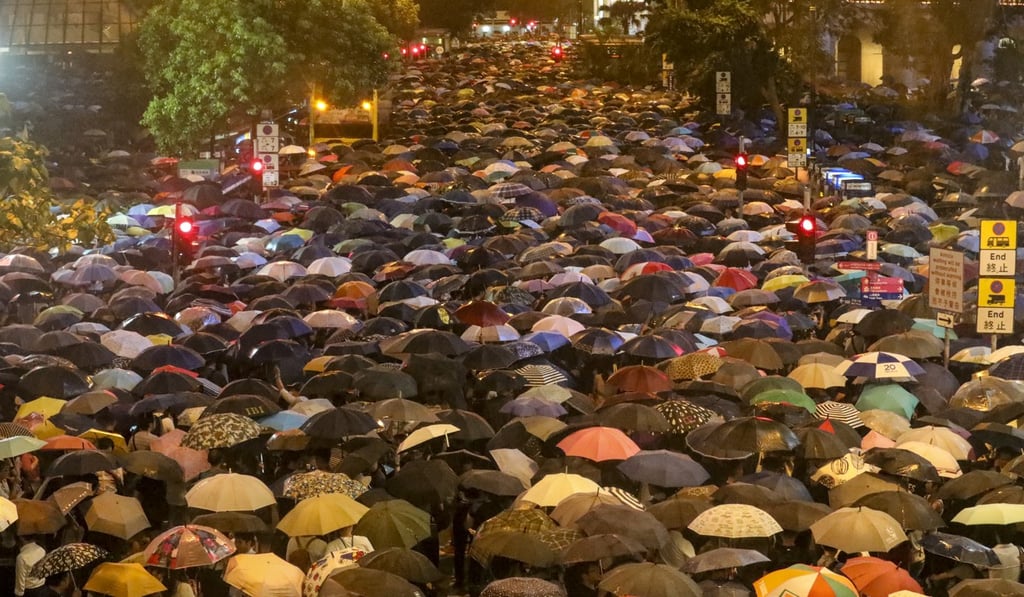
What began as a protest over a contentious law has become a movement against China’s grip over the former British colony. Demonstrations have spread throughout Hong Kong, with key shopping areas blocked by barricades at times. Retail sales fell more than expected in June and storekeepers say tourist numbers dropped as much as 50 per cent last month. Global brands – from Levi Strauss & Co. to Ralph Lauren Corp. and Prada SpA – are flagging slipping sales as the protests, which show no sign of letting up, force some stores to shut.
“Hong Kong has been challenging,” Andre Hoffmann, vice-chairman at L’Occitane International SA, said on a call with analysts last week. “We lost several trading days in the quarter due to the protests. Chinese tourists spending in our shops has declined – all these are a bad cocktail for our business.”
The cosmetics retailer, which counts Hong Kong as its fourth-biggest global market, saw sales in the city down 19 per cent in the second quarter. Prada had a similar story on Thursday when the Italian fashion house reported first-half earnings, saying the political unrest in Hong Kong dragged on sales, even as mainland China showed gains.
It’s a theme that may become more significant, with a number of the world’s leading luxury and consumer names only reporting results through June, before clashes between police and protesters really intensified. The Hong Kong Retail Management Association predicts double-digit sales drops in July and August, and said some retailers see job cuts as inevitable if the situation worsens.
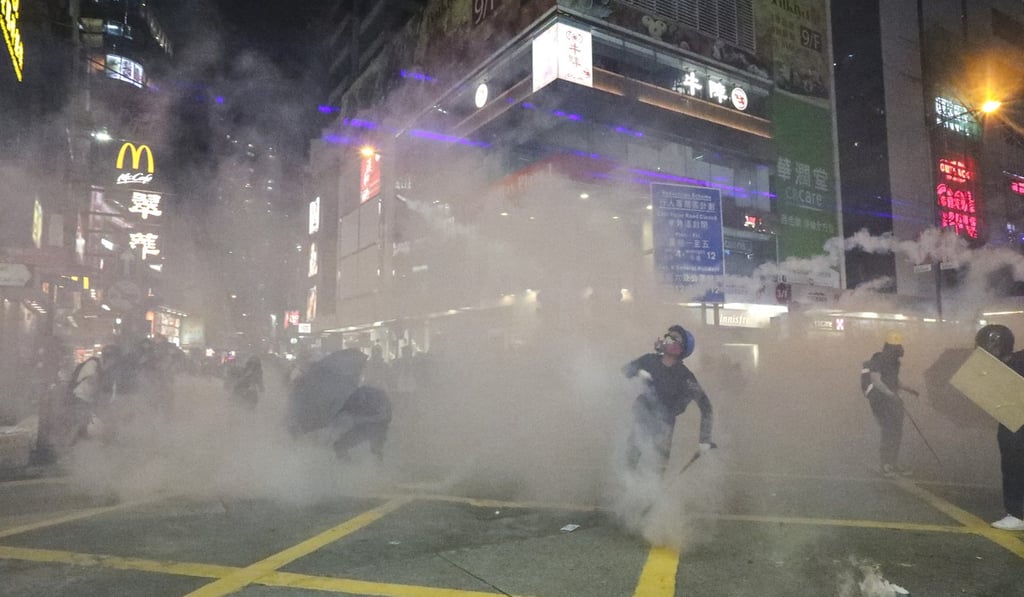
Hong Kong retailers have shown resilience in the past, bouncing back quickly from the 2014 protests known as the Occupy Movement, which lasted almost three months but was less confrontational. The situation this time is worse as the protests are taking place over a wider area, according to Annie Tse, chairwoman of the Hong Kong retail association.
“Even if the issue is resolved, the industry needs time to recover and tourists need to regain confidence in Hong Kong,” she said.
Even if the issue is resolved, the industry needs time to recover and tourists need to regain confidence in Hong Kong
Perched on a peninsula a short train ride away from Guangdong, China’s most-populous province, Hong Kong has long been both a gateway to China, and a popular getaway for its rising consumer class. L’Occitane and Prada – iconic European brands – are listed in the city. Hong Kong is the top export market for Swiss watches, and both Richemont, the owner of Cartier, and the Swatch Group AG have said the unrest there has weighed on sales due to store closures and lower tourist arrivals.