Best goat cheese in America might be by hedge fund pioneer at Idyll Farms

Idyll Farms has been around for only five years, focusing on pasteurised goat cheese, but the owner is not leaving his day job
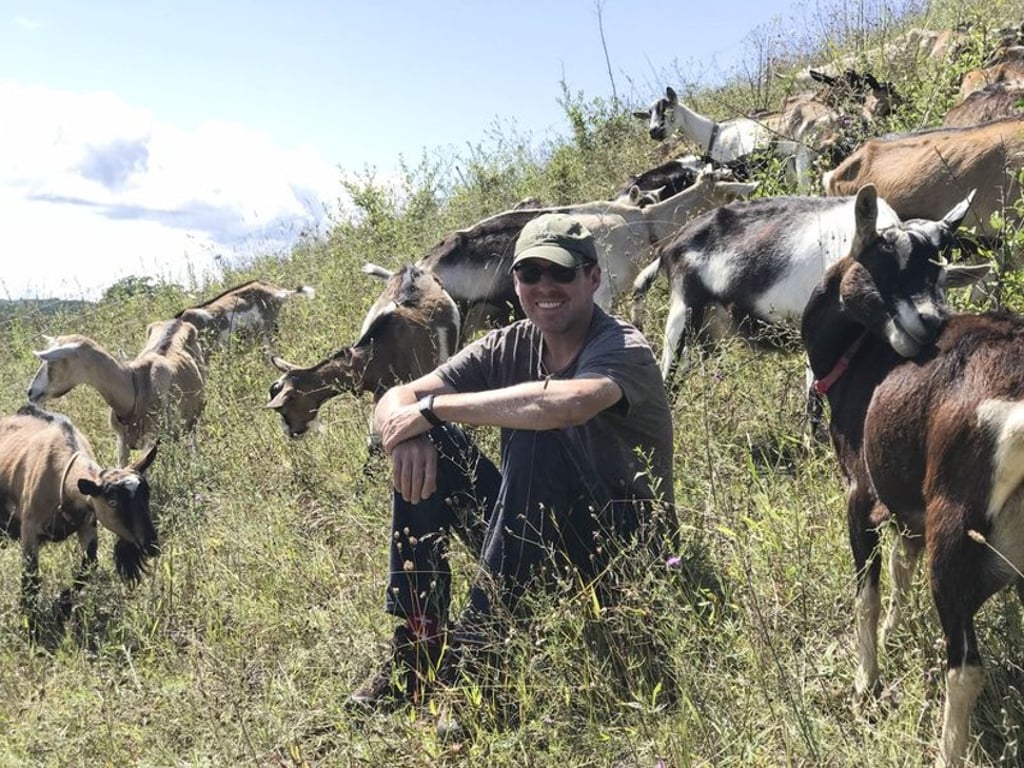
Mark Spitznagel is a guy who gives new meaning to the term “gentleman farmer”. In Northport, Michigan, US, among rolling hills and barns that evoke the mountains of Europe, Spitznagel and his wife Amy are producing French-styled goat cheese such as Idyll Gris, which features a silvery ash coating between fluffy light layers of fragrant goat cheese. It’s one of Idyll Farms’ most popular styles, and it has gained serious cred in the world of fromage.
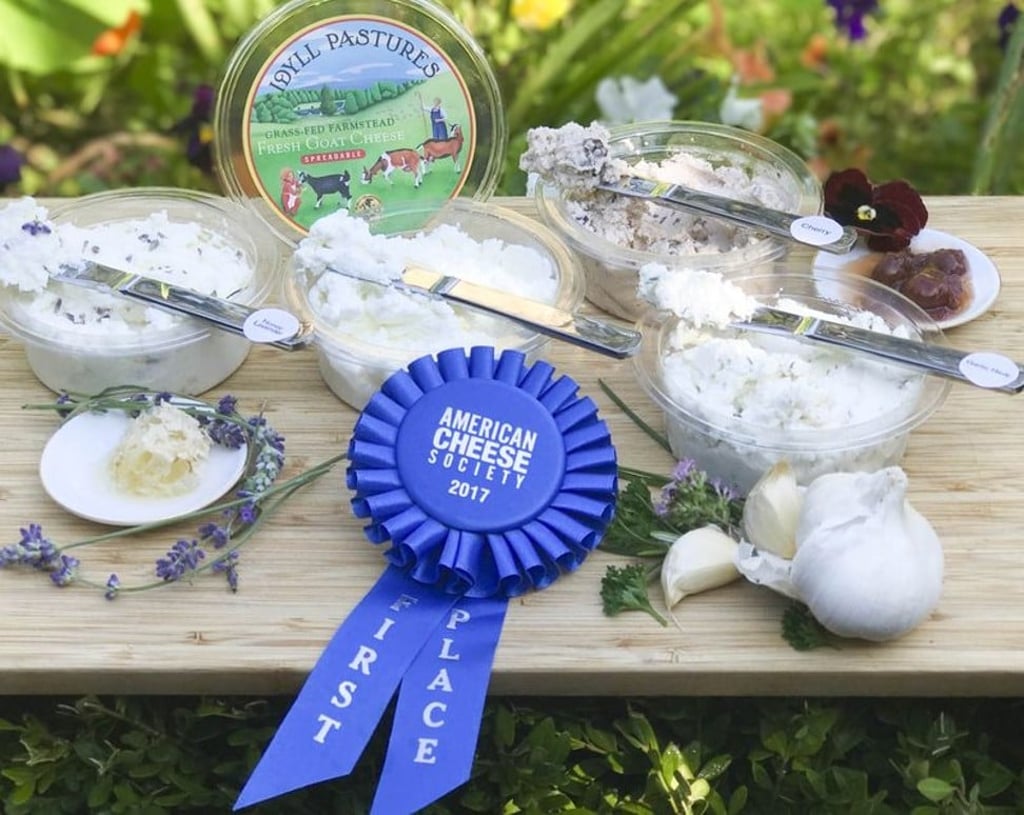
At the 2017 American Cheese Society Conference in July – the dairy world’s version of the Oscars – Idyll Farms walked away with seven awards, the most for any goat cheese producer in North America. Among their awards: three first place prizes, three seconds, and one third – out of some 2,000 entries. All this for a cheesemaker that has been in business for only five years.
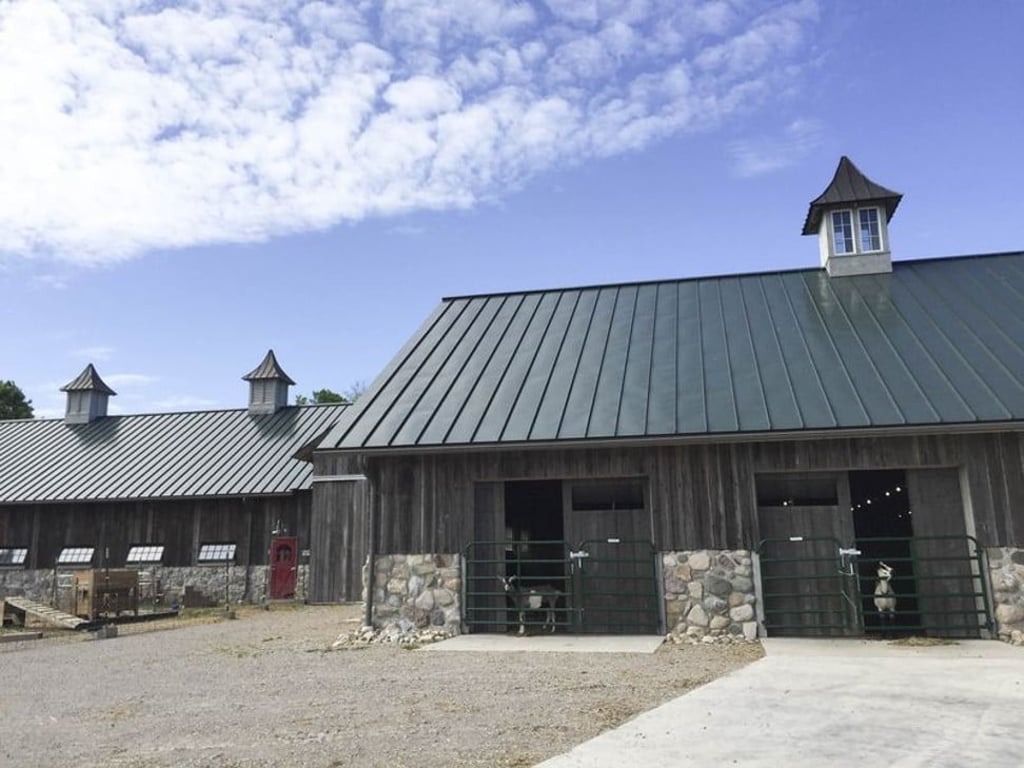
Idyll Farms began when the Spitznagels spotted a rundown farm across the lake from their summer home in Northport, and purchased it for under US$1 million. The 80-hectare, century-plus-old farm consisted of neglected cherry orchards, buildings that were barely standing, an ageing maple syrup grove, and some creepy woods.
The six-figure investment was interesting for Spitznagel, though not for the dollar amount. Spitznagel has a full-time job running Universa Investments LP out of its Miami headquarters, with a focus on tail-hedging. (In the financial markets, a tail refers to the end of a bell curve.) Universa is known for its ability to protect assets against the all-too-frequent plummets that come at the end of a tail. Spitznagel accurately hedged against the dotcom bust and then, the historic 2008 meltdown. (When the S&P 500 plummeted 37 per cent, Universa rose 120 per cent.) “I argue that the [real] 2008 crisis was federal intervention,” Spitznagel says. In 2013, he penned The Dao of Capital, in which he discusses the finer points of patience, economics and human nature.
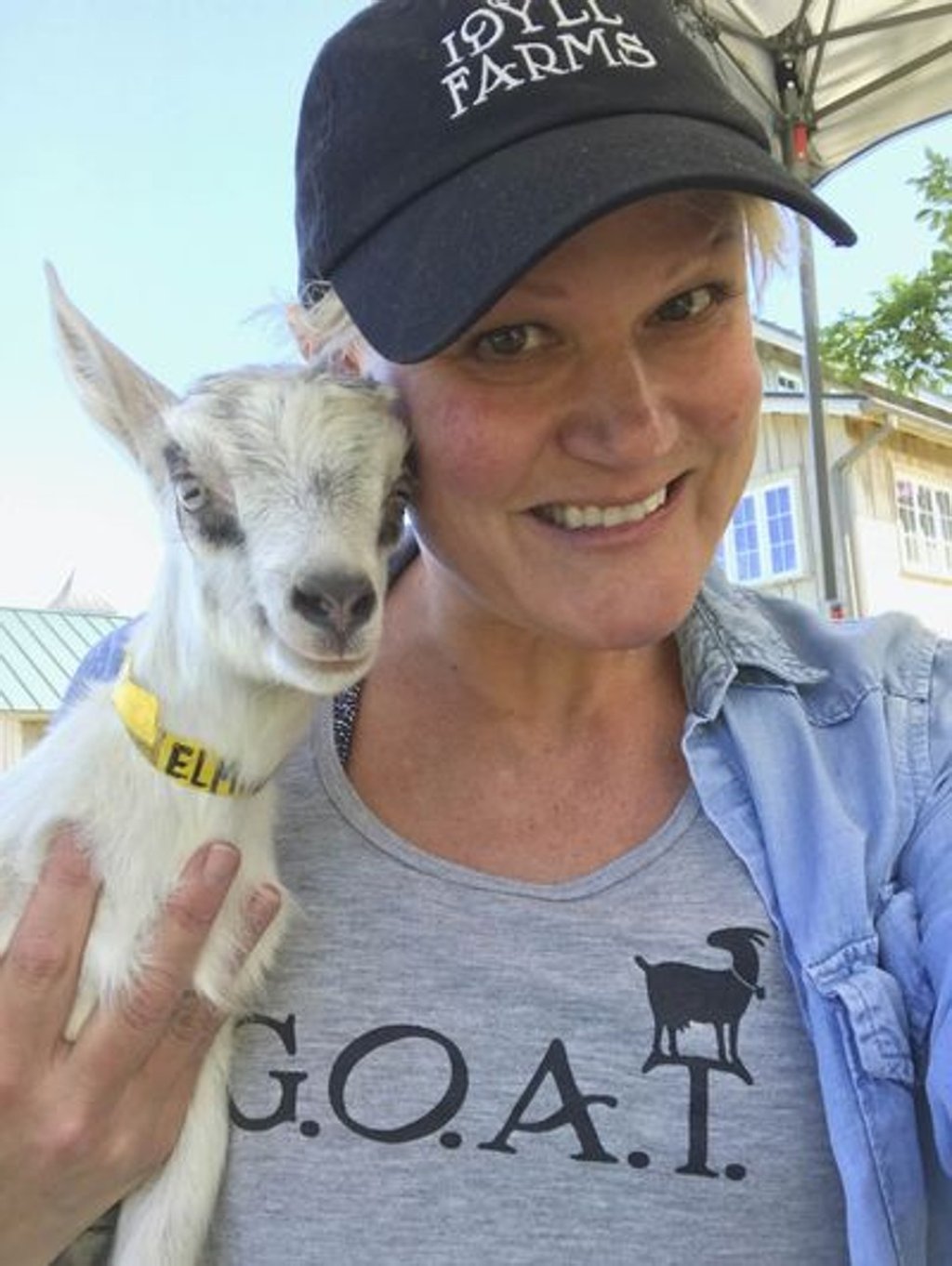
After buying the property, the couple considered winemaking. But wine in Michigan, even though a burgeoning category, felt like a leap. “Everyone was doing wine,” Amy says. And they wanted to create a world-class product. Their nightstand showcased where their minds were going: His side had Michael Pollan’s In Defense of Food. Her side had Goat Song: A Seasonal Life, A Short History of Herding, and the Art of Making Cheese. They kept coming back to goats. “The more we read, the more we were intrigued and motivated to start with cheese production,” she says.
Goats it was.