Advertisement
Advertisement
Advertisement
Leisure

How cocktails are creating more waste, and the pioneering mixologists who are making a change

STORYVictoria Burrows
Interior of Dandelyan bar
Food and Drinks

Citrus are the most common, and most wasted, ingredient

Unwanted almond croissants, discarded corn cobs, and off-cuts of watermelon rind – not your usual ingredients in fine cocktails. But these lowly leftovers are the new heroes in a revolution that’s sweeping the world of craft cocktails.

Some of the biggest names in bartending are taking a stand against the excessive waste of mixing drinks by proving that the traditionally discarded can be transformed into drinkable works of art. All it takes is a little creativity, and, sometimes, smart culinary science.
“Cocktail bars are incredibly wasteful,” says award-winning Iain Griffiths, who’s at the forefront of the global anti-waste cocktail movement along with his partner, Kelsey Ramage.
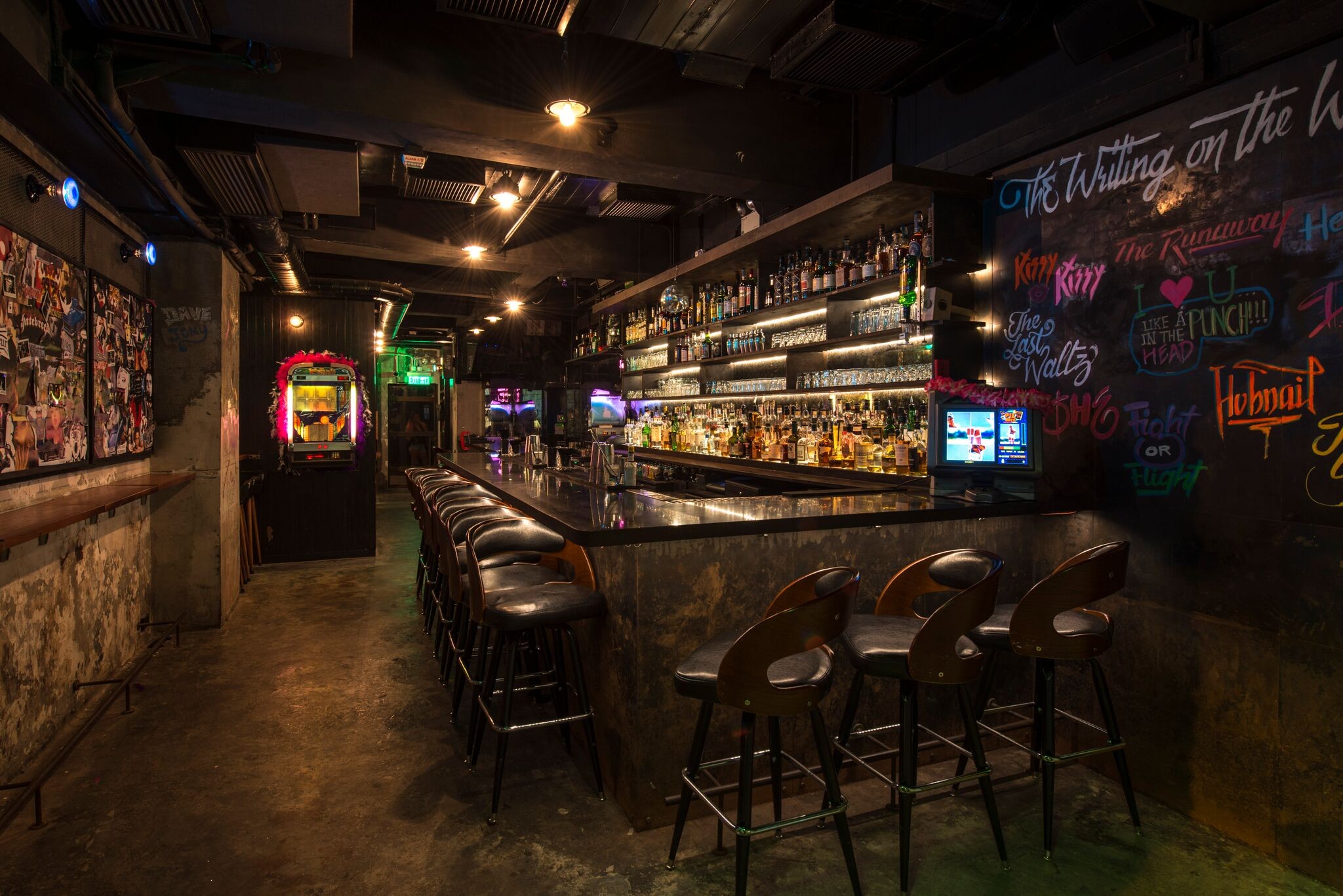
Interior view of Pontiac
Advertisement
“It’s part of classic cocktail lore: a good cocktail is made right there in front of you with fresh ingredients. But think of all those lemons, those oranges – you squeeze them and throw them away. Citrus is the most common, and most wasted, ingredient. We need to stop f**king the planet with every daiquiri and Tom Collins we make.”
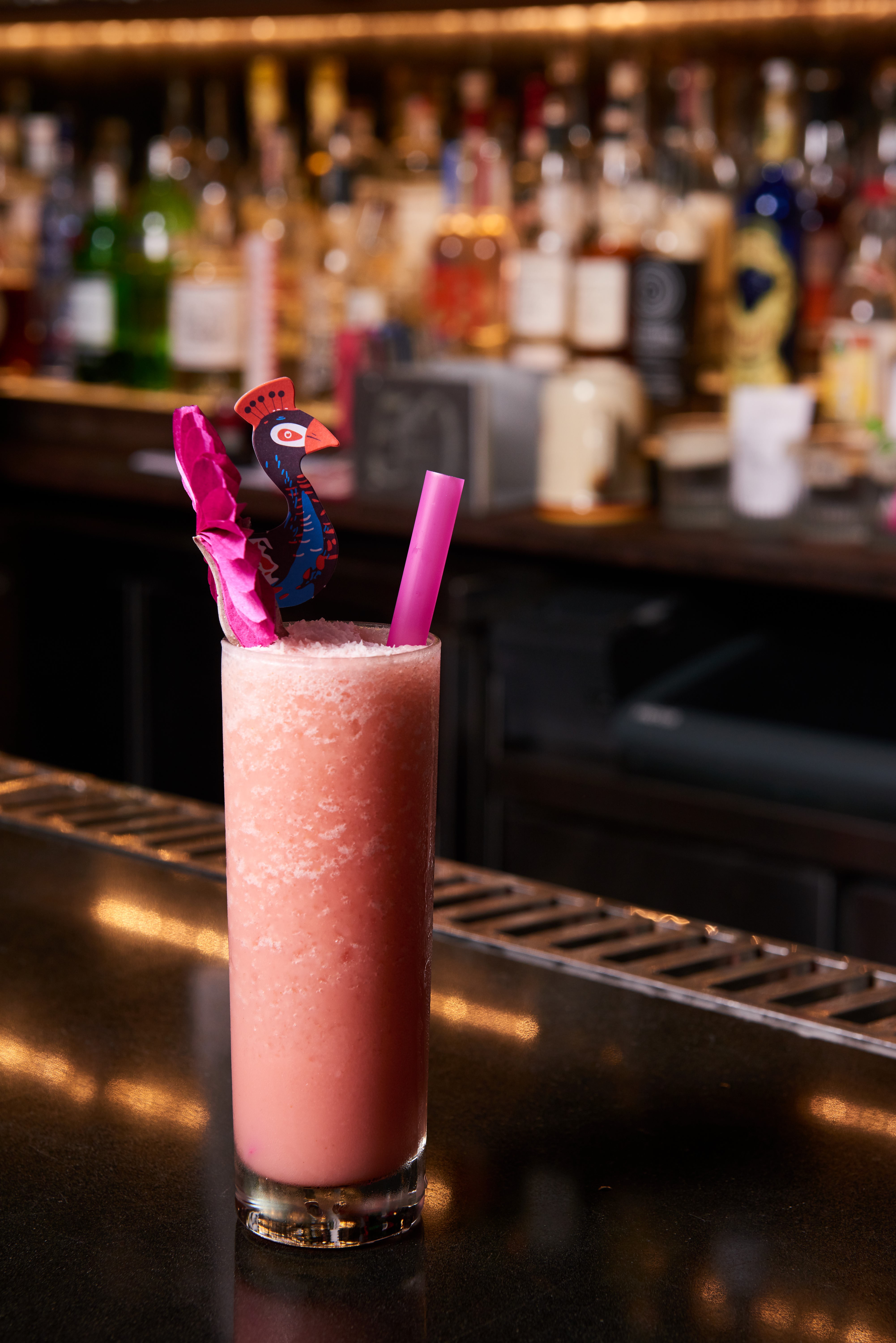
Low Low Swing from Potato Head in Hong Kong
So Griffiths and Ramage took discarded citrus husks and experimented. They came up with a recipe called Pink Citrus, which involves simmering lime husks with water, agave syrup, malic acid, citric acid and hibiscus (for colour), which captures all the wonderfully zesty flavours in the lime peel and remnants of fruit. They later refined the recipe to make the citrus stock more textured and sophisticated. They detail their experiments and list their recipes on their website,www.trashtikisucks.com.
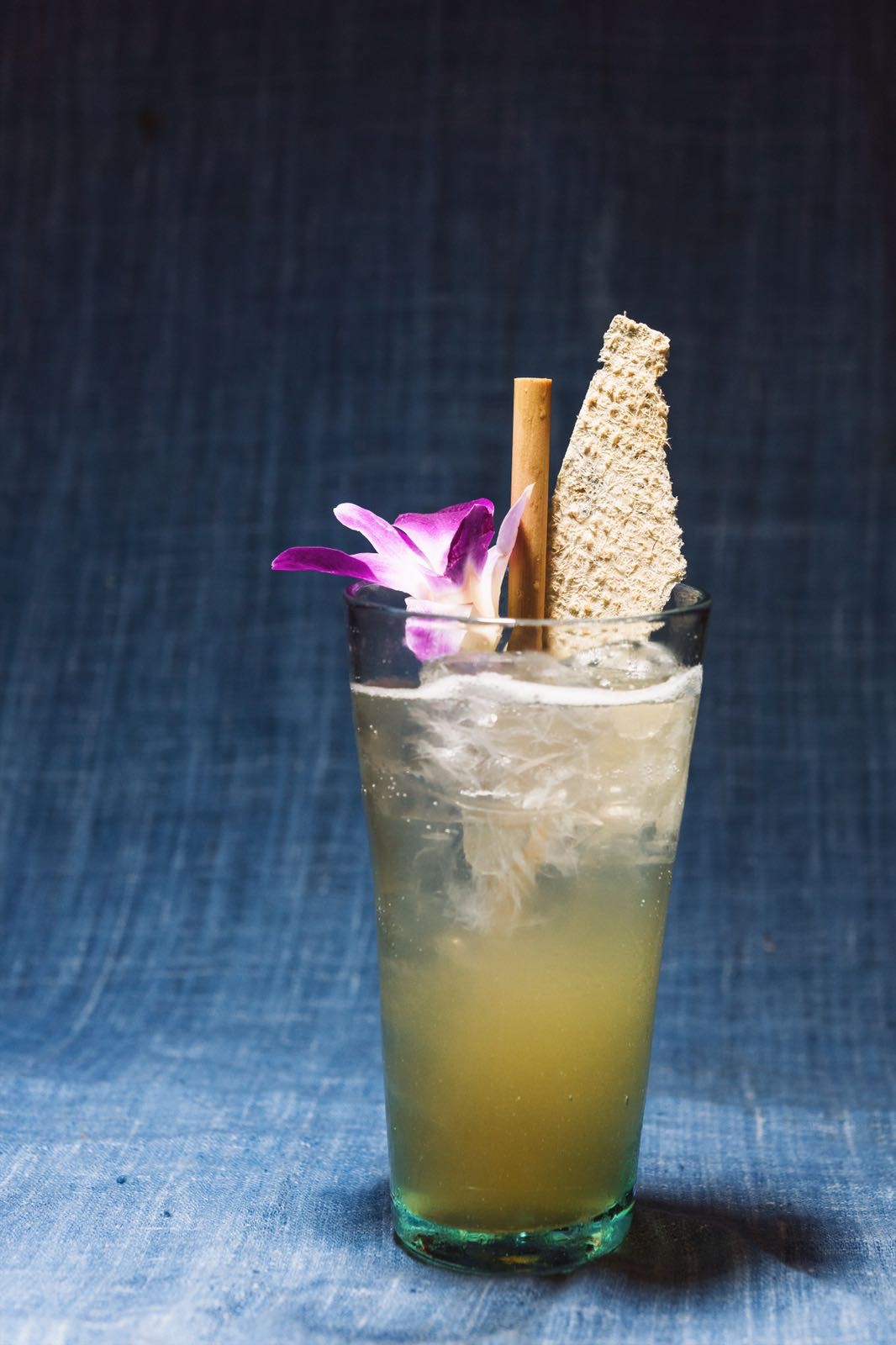
Hotline Miami cocktail from Pontiac

They are also now on a world tour with their tropical-punk-themed pop-up, Trash Tiki, with cocktails made largely from discarded ingredients, including almond croissants in mai tais, watermelon rind cordial for margaritas and mojitos, and avocado pits and pistachio shells for flavoured rum.

Trash Tiki has been years in the making. Griffiths first created waste-related ripples in the cocktail world in 2013 when he and Ryan Chetiyawardana – aka Mr Lyan – opened London bar White Lyan.

Housed in an old pub called the White Lion, the bar used no perishable ingredients at all, not even ice. Drinks were prebottled and chilled at the correct temperature. Waste was minimised, without losing inventiveness: one of the cocktails included chicken bone reduction, for example. The duo then opened Dandelyan at London’s riverside Mondrian Hotel, which just took second place in the World’s 50 Best Bars 2017 award.
Chetiyawardana has launched Cub, a collaboration with Krug Champagne, a former resident scientist at Noma, Dr Arielle Johnson, and chef Doug McMaster, the talent behind Brighton’s ground-breaking “zero waste” restaurant, Silo, and others. The restaurant – if you can call it that – shakes up boundaries, not distinguishing between starters and mains, or drinks and dinner. It also focuses on using “by-products”.
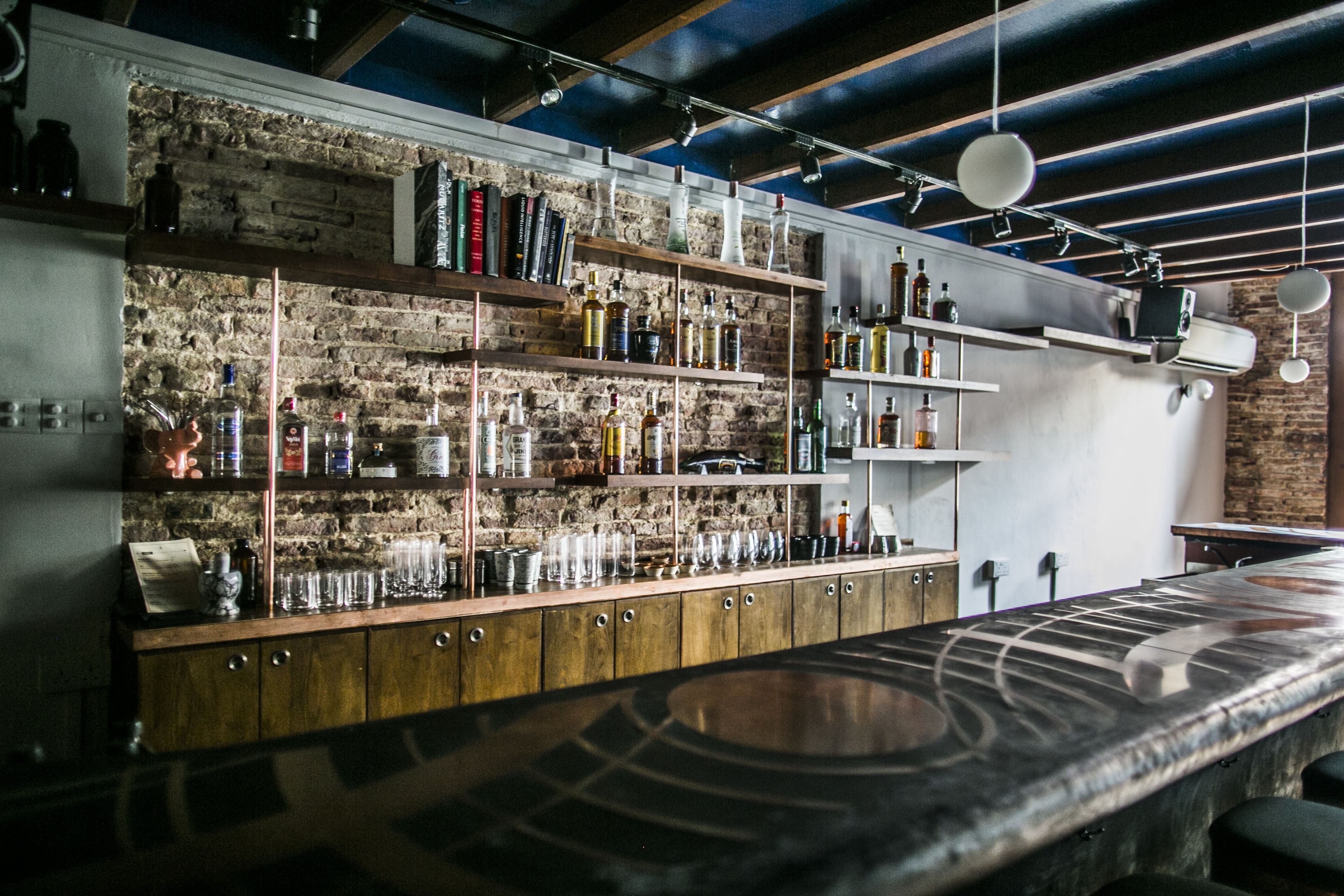
Interior of Native bar

“It’s not a gimmick. It’s about changing systems,” Chetiyawardana says. “There’s a stigma about waste, but we try to celebrate it by shining a spotlight on unfashionable ingredients. Luxury doesn’t have to be ostentatious. It’s not mutually exclusive, luxury and wastefulness.”

Select Voice
Choose your listening speed
Get through articles 2x faster
1.25x
250 WPM
Slow
Average
Fast
1.25x