What’s the secret to making the best Chinese xiaolongbao dumplings?

Xiaolongbao or siu lung bau – whatever you like to call these delectable little parcels – are a Chinese institution. But what dark sorcery lies within?
I had been enjoying xiaolongbao (“little steamed buns”), also known in Cantonese as siu lung bau, for years before appreciating their semi-mythical status.
There’s general agreement that they originated in China’s Jiangnan region, but beyond that, things can get a little murky.
Some aficionados are very specific with their claims: in the 1870s, they say, restaurant owner Huang Mingxian came up with the idea of adding gelatin to his pork mince.
Patrons of his eatery in Nanxiang, Shanghai, would be delighted to find that, when steamed, the dumplings were filled with soup.
Yet, as with many cultural treasures, plenty of others lay claim to this origin story.
One such legend is that while on his travels, Emperor Qianlong, ruler of China from 1735 to 1796, stopped in Wuxi, in Jiangsu province, where he tried the dumplings, and – by these accounts – went wild for them.
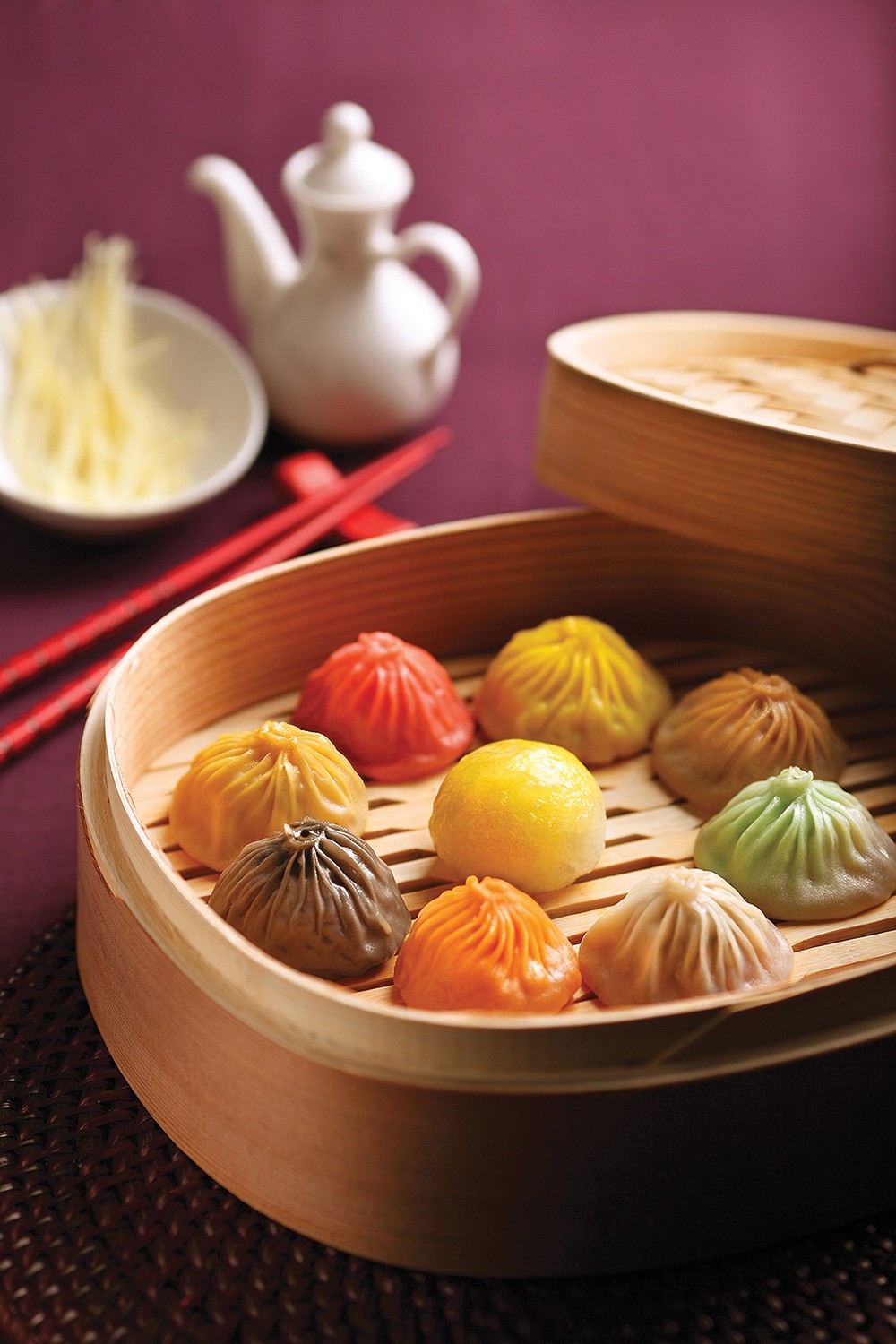
Taking it even further, the most enthusiastic proponents of this version say that the second character, “long”, shouldn’t denote “steamer” (or “steamed”) at all: it’s a homonym for “dragon”, a reference to Qianlong’s nickname, Swimming Dragon.
Phew!