If Western toast, or Hong Kong French toast, doesn’t come from France, where does it originate?

The tea house staple can be traced to a restaurant that is still in operation in Hong Kong today
Western toast, or Hong Kong French toast, is one of the most popular items on cha chaan teng or Hong Kong tea house menus. Peanut butter or fruit jam – and sometimes ham and cheese – is sandwiched between fluffy slices of white bread, deep-fried and smothered in butter and syrup.
The French aren’t the only culture to lay claim to dipping bread in egg and frying it; in fact, the origins of French toast can be traced back to ancient Rome. The version of the snack we know today is a recent evolution, and can be traced to a restaurant still in operation today.
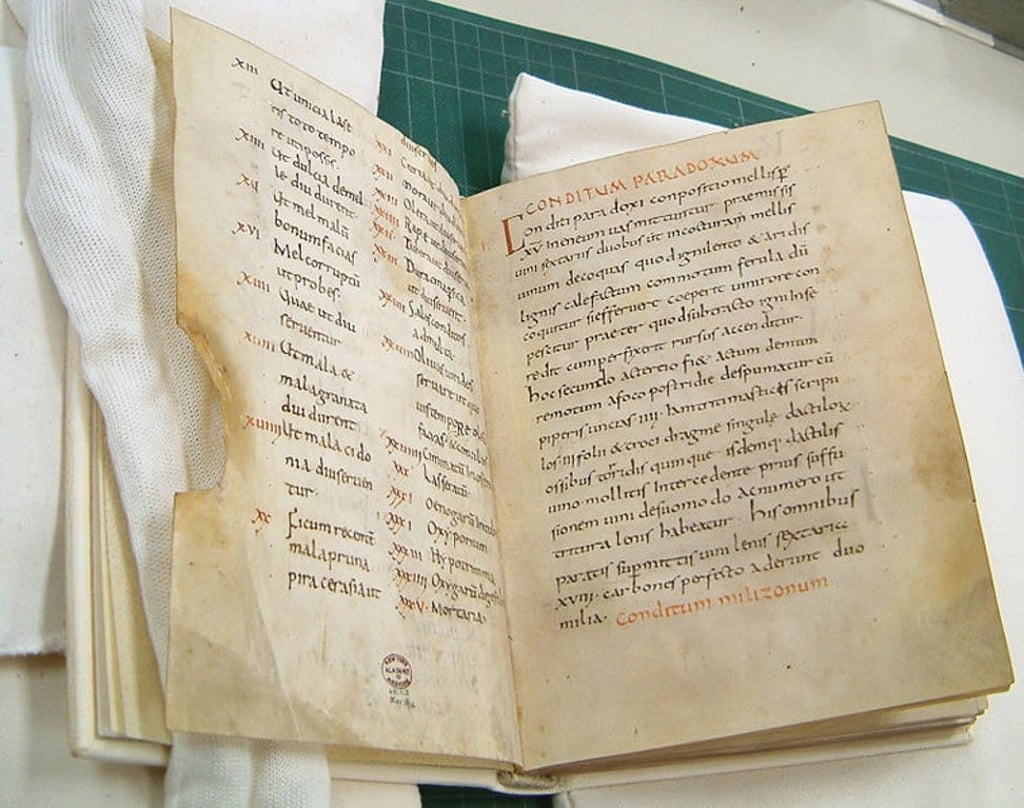
Western toast in long form does translate to French toast, but does that mean its inspiration came from France? By most accounts, French toast in Hong Kong had European and North American influences during the colonial period. However, if you want to go back to the first mention of dipping egg in toast and pan-frying it, that was in the Apicius, a Roman cookbook dating back to the late fourth or early fifth century.
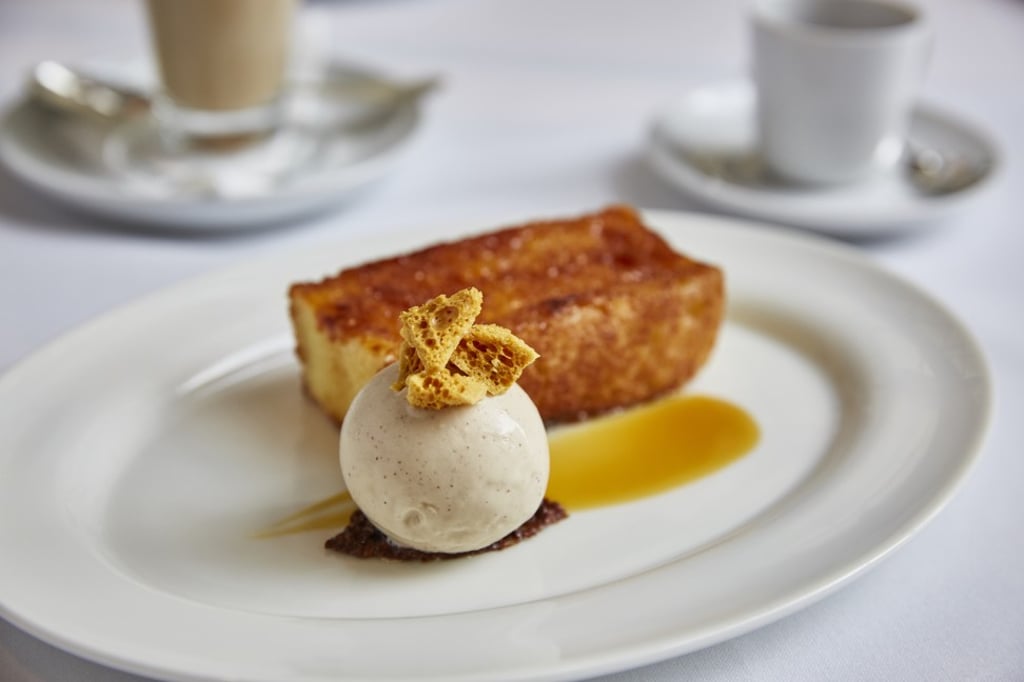
The earliest mention of pain perdu or lost bread in French, is in 15th century recipe books but if you look around different cultures the Germans, Italians, Portuguese, Brazilians, Dutch, Indians, Norwegians and Spanish all had their own way of dipping bread in toast, frying it and sweetening it before serving.
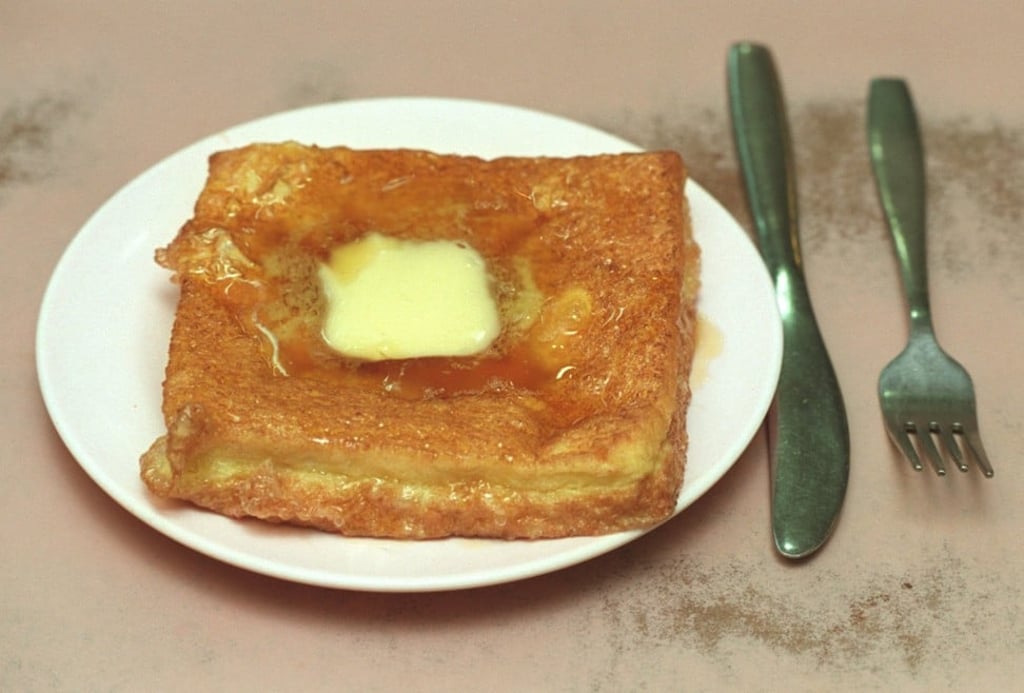
So what makes the Hong Kong version so special? It’s markedly different by virtue of the deep-frying and the sandwiching of a sweet condiment in between the bread. How did this come about? Lam Chun-chung, second generation operator at iconic Hong Kong street stall Lan Fong Yuen, says it was his father who was the first to make the Western toast that we know today.
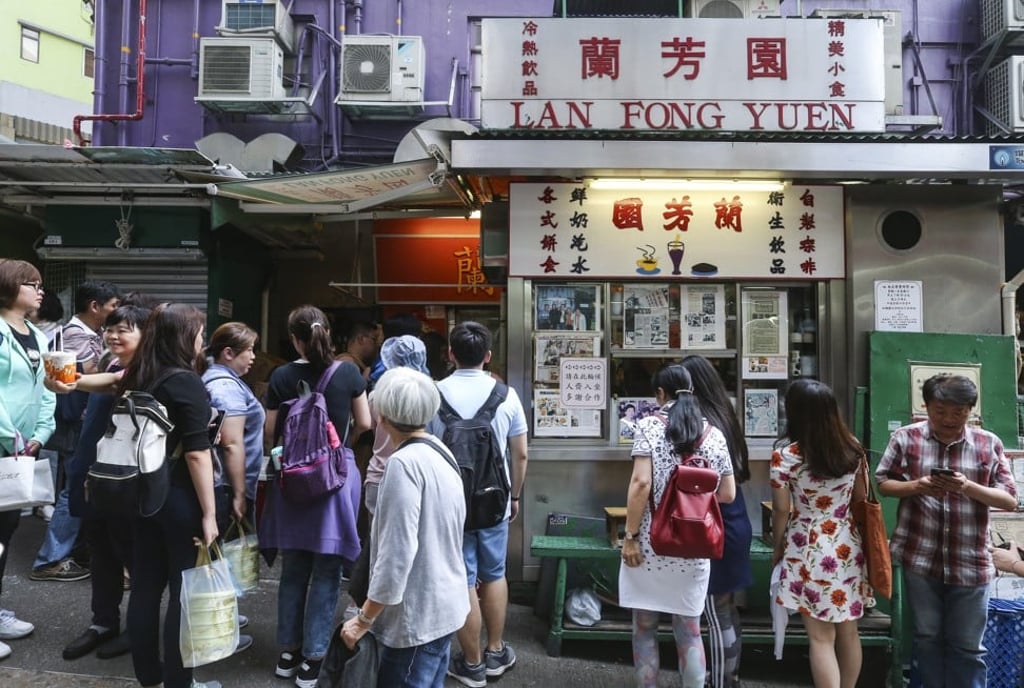
Lam told Apple Daily that the item was on his father’s menu in 1952. “Back then Western toast was an expensive dish,” he said. “Syrup was an imported item and was only available at hotels before it was on the menu at tea houses.”
At a time when Hong Kong was still emerging from the Japanese occupation, a bowl of fish ball noodles cost 5 cents but the price of Western toast, a snack as opposed to a meal, was 6 cents, so it was a luxury item.