Want to own a holiday home in Thailand? Here’s why buying a resort villa offers the best of both worlds

Resort villas in Koh Samui and Phuket may be the headache-free alternative to owning that holiday home you’ve dreamt of
Owning a holiday home at your favourite destination is the stuff dreams are made of. But the reality of maintaining an overseas property and navigating the legal framework to acquire one can be daunting.
That is why resort properties may be an answer to this dilemma. Villas are planned if not already built in the resort, and everything is taken care of; from maintenance to the leasing of it out when unoccupied to generate income.
Too good to be true? The answer is that convenience comes at a cost.
If Thailand is your dream destination, first of all, foreigners can’t own land outright without special approval from the government. Non-residents can only own a condominium unit above the ground floor in a building where foreign ownership makes up no more than 49 per cent of the property. In practice, that means buying a condominium is relatively easy.
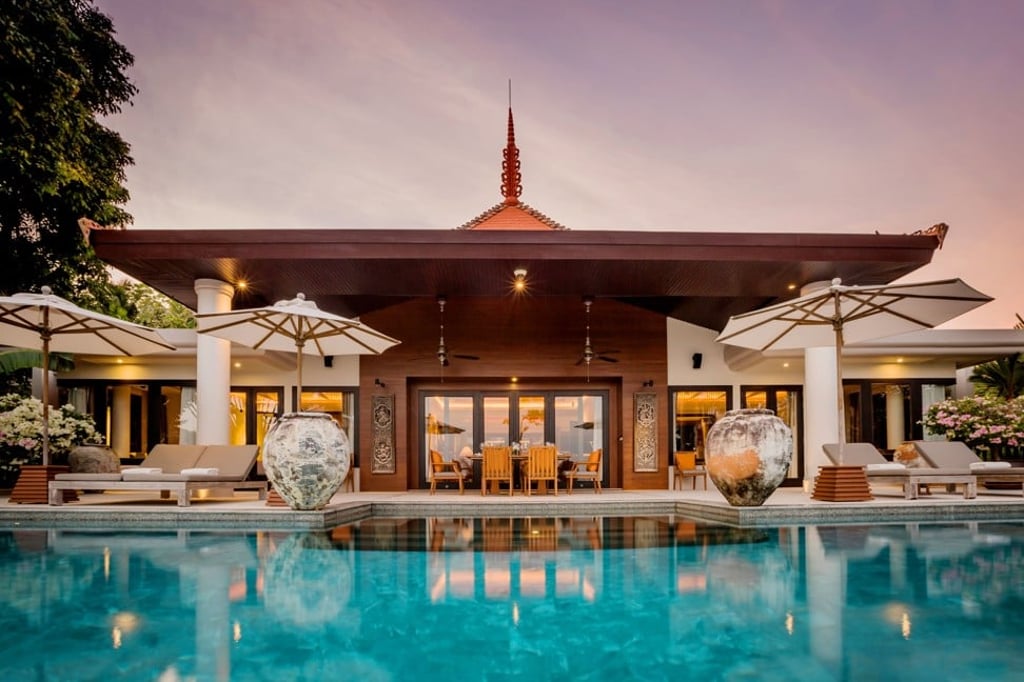
To own a holiday villa on an island is a little more complicated. You can own a home with land through either leasehold or freehold.
Freehold properties require the foreigner to form a company with a Thai citizen and then that entity would own the property. This way you can own the land but there are a lot of administration and expenses involved.
Leasehold properties are owned by existing companies that already have land granted on 30 year leases by the government. The leases are renewable and stipulate the right to purchase the freehold land on which a villa is built if and when allowed by Thai law.
The leasehold company owns the buildings on the leased land outright and by owning shares in this company, the building can be designated to the foreign investor.
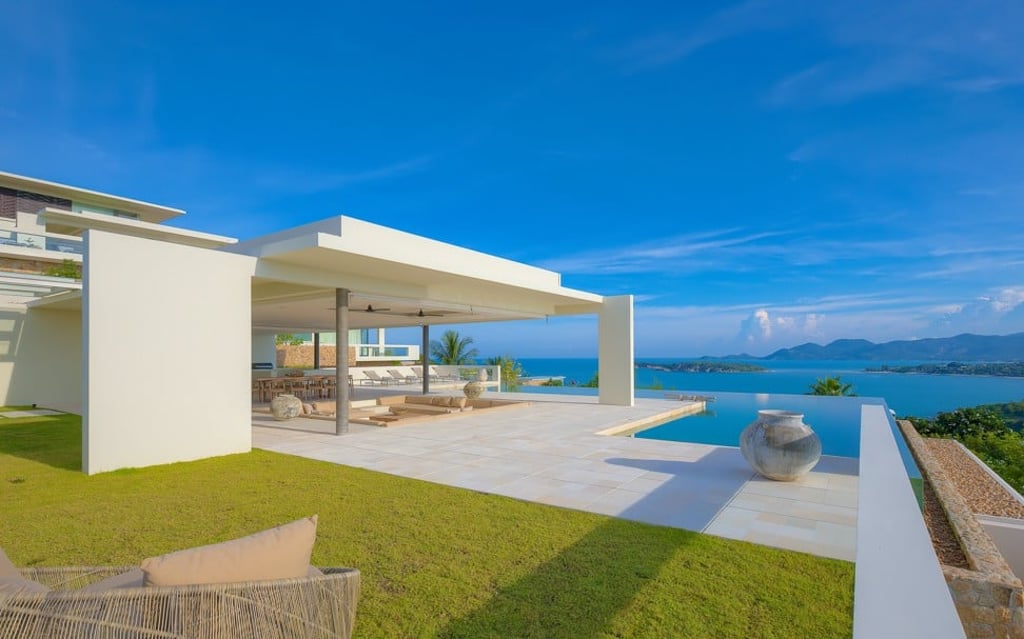
Depending on the plot and villa size, the price range at Samujana, a villa resort in Koh Samui, is between US$1.3 to US$3.5 million. Financing rules depend on each leasehold company.