Why crab is now fine dining’s ultimate luxury ingredient, dethroning caviar, truffle and Wagyu beef

American chefs are embracing this delicacy, used in omakase in New York and crab rice in San Francisco, as prices soar to over US$2,000 for a king crab
Yet crab retains its mystique. It’s beloved for its delicately flavoured, finely textured meat – and for its fatty, rich roe and tomalley, which are culinary categories unto themselves. Now large, live specimens from the far corners of the world, like snow crab from Japan and red king crab from Norway, are this season’s luxury signifiers in the US.
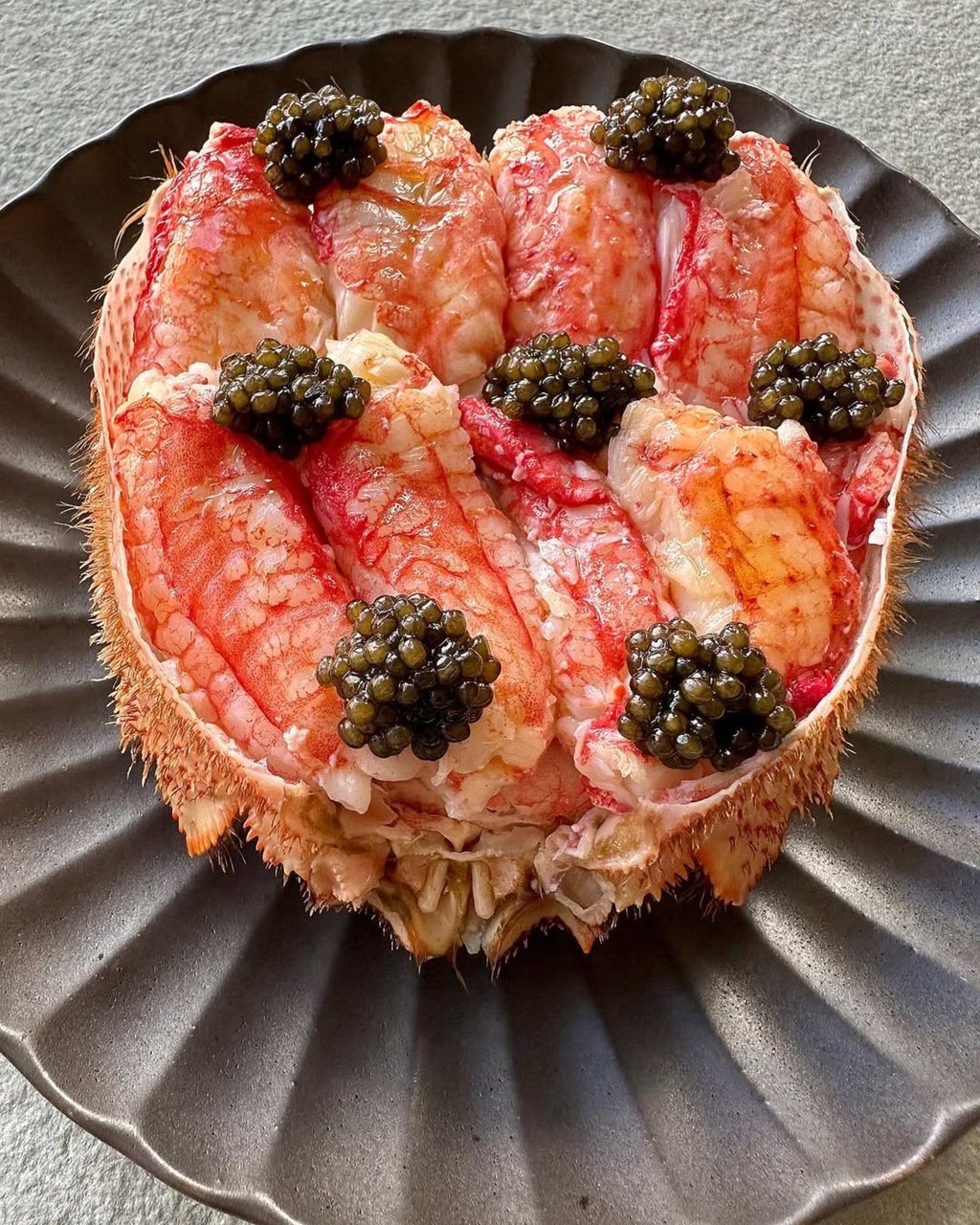
“Even the cheapest crab that we sell is typically double the price of what Maine or Nova Scotia lobster costs,” says Ian Purkayastha, founder of Regalis Foods. “King crab pricing is definitely at an all-time high.” Because their stocks and availability have been harshly affected by political and ecological upheavals, the crustaceans now wholesale for US$70 to US$85 a pound, he said. Retail consumers could spend upwards of US$1,200 to have a single, live 10-pound Norwegian red king crab delivered to their homes from Regalis.
That, believe it or not, is the good news, he adds: “It’s just going to continue to go up and up and up in price. It’s not like you can farm a king crab.” He won’t be surprised if wholesale king crab prices top US$100 a pound within five years.
The US$888 menu
Take stock of current splurge-worthy dishes and dinners, and you’ll see: American diners and restaurant operators are embracing the luxury of crab. With the explosion of omakase-style dining, quality is trumping quantity more than ever. Take, for instance, Sushidokoro Mekumi. Newly opened in New York’s Hudson Square, this outpost of a two-Michelin-star restaurant in Kanazawa, on Japan’s west coast, offers a crab-centric omakase dinner for US$888 per person, excluding drinks, for a few weeks this winter.
The meal’s current star is male snow crab, transported from Kanaiwa – a port town in Ishikawa prefecture – to New York in two days at a wholesale cost of as much as US$675 each. Three are needed for each evening’s seating of eight people. All December seatings are sold out, but January spots are available.
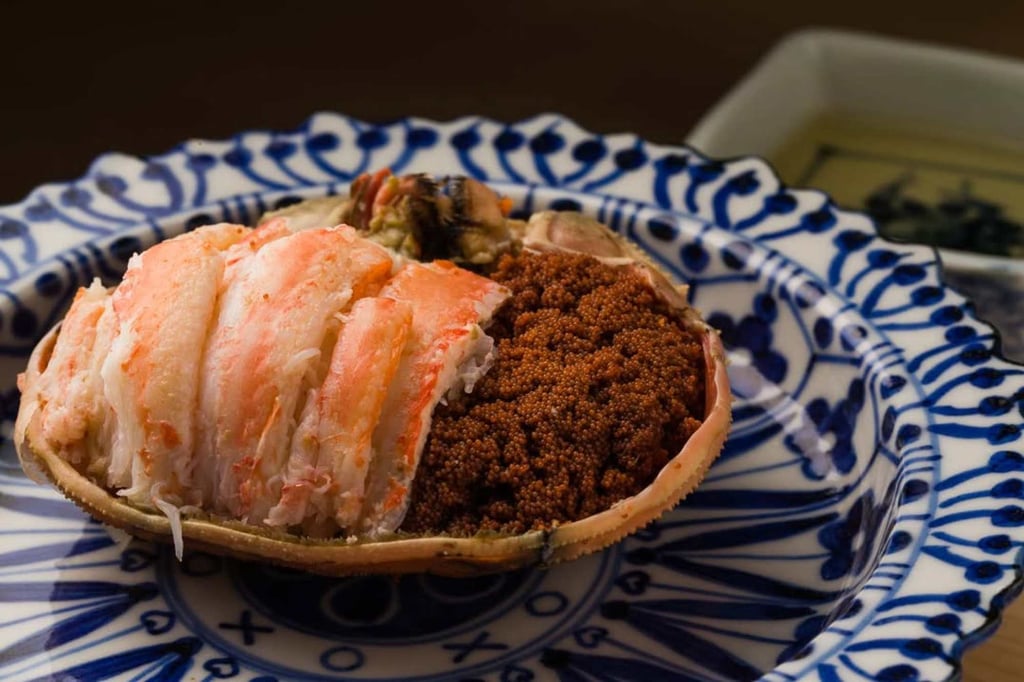
Mekumi’s chef Hajime Kumabe keeps it simple to convey just how good the ingredient is: “We almost never add anything else – just a little salt as seasoning.” Among the 18 to 20 courses are kani gayu, a delicate rice porridge made only from crab, crab broth, rice and salt; mokuzugani, or Japanese mitten crab, simply grilled over binchotan charcoal; and kobako gani, a female snow crab boiled immediately after it is caught by fishermen in Japan, trained to do it to the restaurant’s specifications. Its meat is arranged with both its internal and external roe and served in its shell.
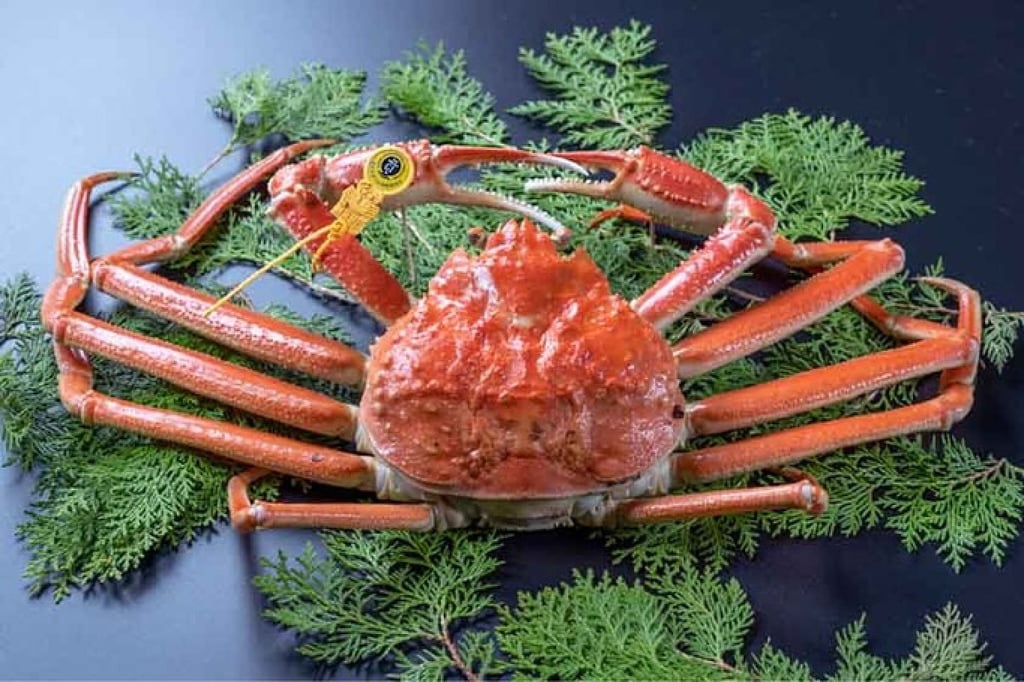
(An even more precious – and expensive – crab splashed into New York at the end of 2025. Taiza gani, a snow crab from the cold waters off Kyoto, is so rare that even in Japan it’s known as the “phantom crab”. Only five boats are permitted to fish it. It was served for two nights at the new Tribeca kaiseki restaurant Muku; the US$1,295 menus quickly sold out.)