How chefs are reimagining avocado beyond guacamole, from Vancouver to Hong Kong

Just as good in ice cream and cocktails as on toast or in salad, the fruit known as ‘green gold’ offers all-round benefits and great taste
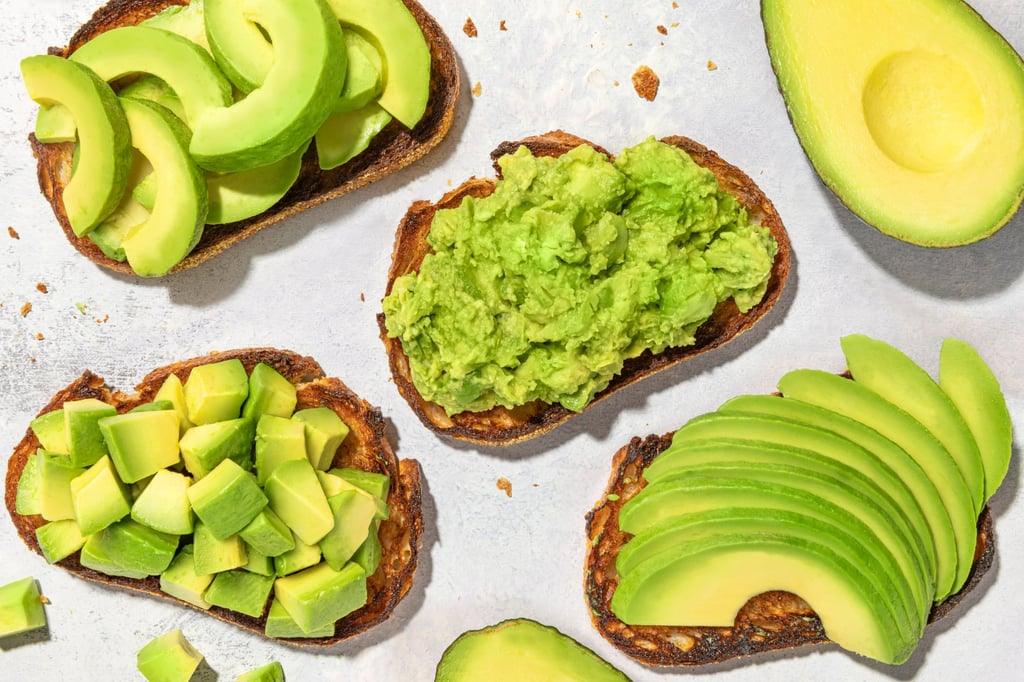
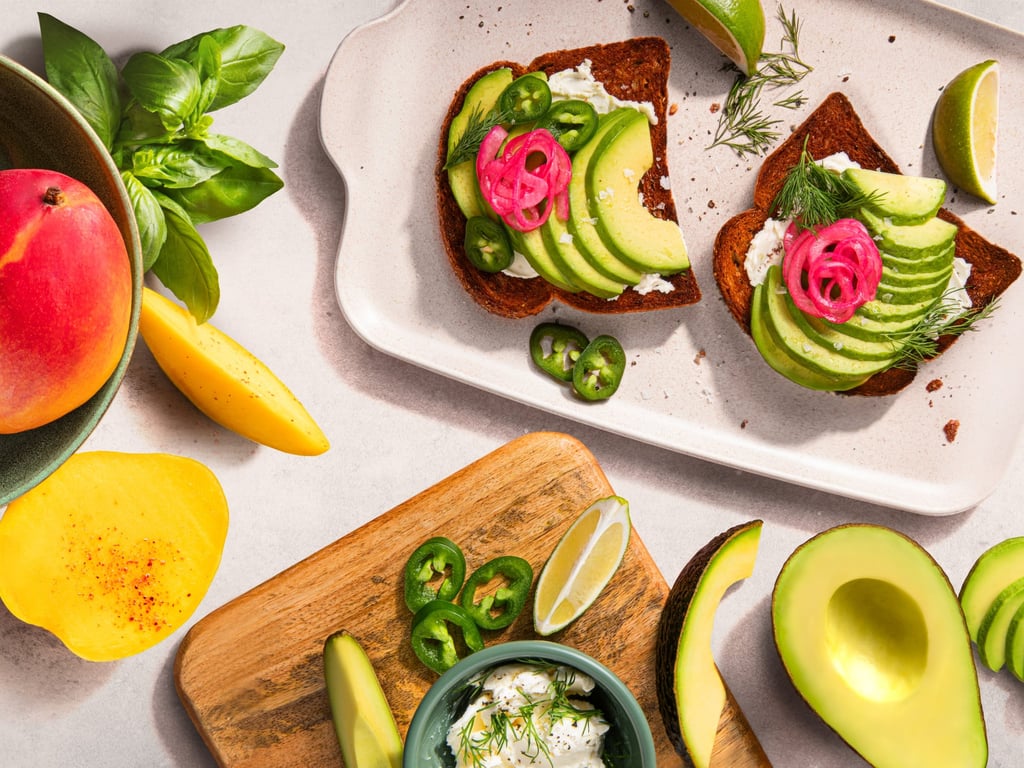
While many people like to eat avocados in guacamole, on toast or in salads, California rolls or smoothies, chef Ben Kiely has other ideas about how to use the fruit, known as “green gold” or “alligator pear”, which comes originally from Mexico and South America.
Kiely, the head instructor at the Pacific Institute of Culinary Arts (PICA) in Vancouver, says avocados are great in desserts like ice creams and chocolate mousse.
“There’s recipes, especially now with plant-based being so common [with avocados in them]. If you want to remove a lot of the butters and the creams, the texture of the avocado really holds up to the fat content,” he explains.
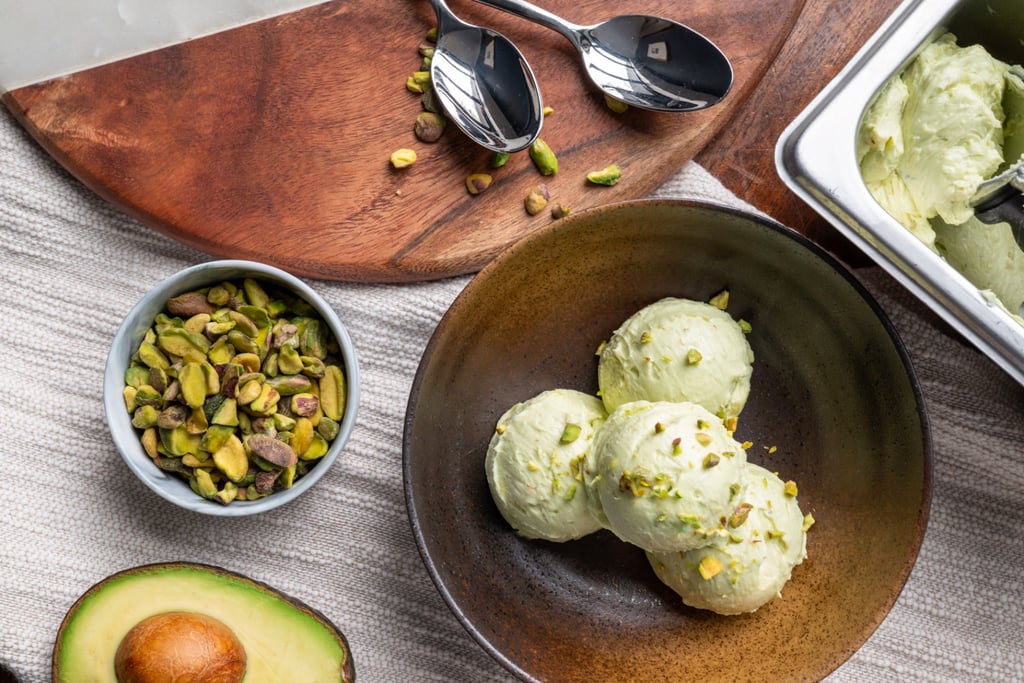
When making avocado ice cream, Kiely uses a Crème Anglaise base of egg yolk, sugar and vanilla, and then adds puréed avocados to use less cream. “If you want to keep it [ice cream] completely dairy-free, many chefs use coconut and avocado and churn it that way, and it’s more like a sorbet than an ice cream,” he says, adding that avocados have healthier saturated fats than butter and cream.
The chef says avocados are not only used in Mexican cuisines but also in Filipino dishes like kinilaw, a dish of marinated raw fish with citrus and garnished with the green fruit, or kare-kare, a street food with braised oxtail and beef, for which the customary peanut butter ingredient can be replaced with avocados.
Chinese fruit drink shop Sweet7 has over 1,500 stores globally and one of the more popular drinks in the summer is the avocado milkshake, made with avocado purée, creamy milk and crushed ice, and topped with diced avocado.
Even though they are common in salads, avocados are fruits because they contain seeds that develop from the ovary of a flowering plant, and they have a large seed. Botanically, avocados are considered to be large berries because they have a fleshy pulp surrounding a large seed.