The many types of tofu: discovering the versatile Chinese and Japanese staple

Tofu is healthy and versatile, say chefs at Hong Kong eateries Ta Vie, The Chinese Library and Mott 32, and Vancouver’s Cofu Chinatown
When chef Hideaki Sato was a child in Nagano, Japan, he was fed tofu accompanied by various vegetable condiments, such as myoga or Japanese ginger, shiso leaves, chives, ginger and leeks that were picked from the family garden.
“But I was a picky eater as a kid and I didn’t like these strongly flavoured vegetables. So I always took them out,” he recalls, and ate the tofu plain. “When I was a kid, I preferred hard tofu [momen], but came to like soft tofu [kinugoshi] as I grew older.”
These days, the chef says that after a long day cooking at his three Michelin-starred restaurant Ta Vie in Hong Kong, he and his wife are happy eating a simple meal of yuba, or tofu skin, with soy sauce mixed with wasabi.
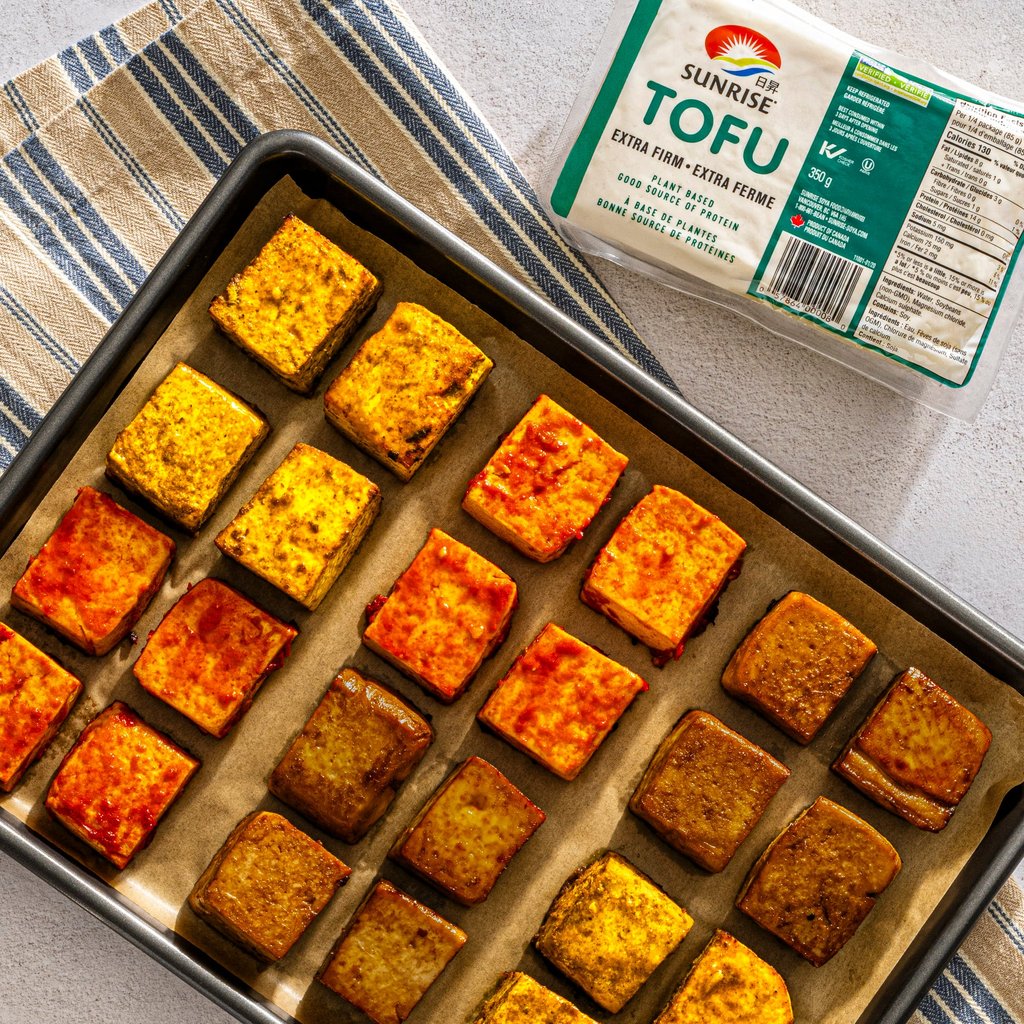
For many like Sato who enjoy eating tofu, it’s the simplicity of this protein and its flexibility that appeals, as it can be eaten cold, steamed, pan-fried, deep-fried, air-fried, roasted, simmered and braised.
Originally from China, tofu is rich in protein, calcium, manganese, iron and vitamin B5, and has relatively fewer calories than other protein-rich ingredients. Previously there were concerns that tofu contains plant oestrogen and consuming too much could lead to breast cancer, but studies have shown that tofu doesn’t have enough oestrogen to do so, and in fact could possibly prevent it. Other benefits of eating tofu include lowering cholesterol, lowering the risk of heart disease, maintaining bone strength and lowering the chances of prostate cancer in men.
Peter Joe, CEO of Sunrise Soya Foods, says tofu has been part of his diet since he was a child – his father started the Vancouver-based company in 1956. Products include not only blocks of tofu, but also dried tofu, tofu puffs and tofu fa, or tofu pudding.
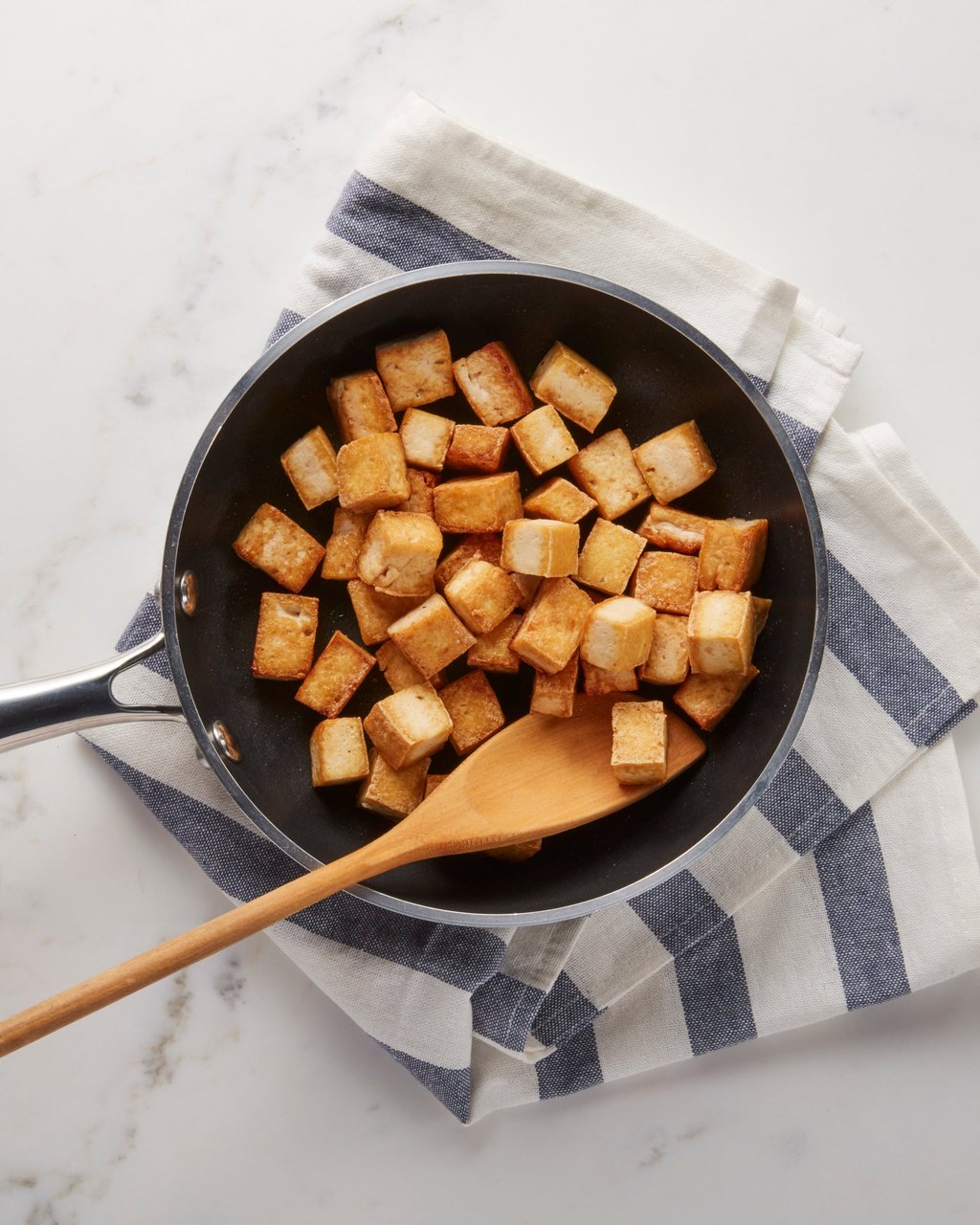
Although Joe humbly says he isn’t much of a cook, perhaps the easiest way to eat tofu is removing it from the packaging, adding some water to soy sauce and drizzling it on top of the tofu block with chopped spring onions.
His own preference is adding century eggs, or alkalised eggs, which can be an acquired taste. “Maybe tofu is a bit of a mystery with how it’s made, but if people drink soy milk, that’s the base for making tofu, and no different than dairy. Cow’s milk is used to make cheese, so it’s the same kind of a process,” he says.
The tofu is made by soaking dried soy beans overnight and then putting them in a grinder that creates a paste or slurry that is steamed. Next, the slurry is put into an extractor to remove the soy bean pulp, which results in soy bean milk. A coagulant is added to the soy milk to make curds – either calcium sulphate to produce soft, silken tofu, or magnesium chloride for firmer tofu.