Review / How Mandarin Oriental Qianmen, Beijing pays homage to the city’s hutong heritage

Even French President Emmanuel Macron recently enjoyed the hotel’s Cantonese restaurant Yan Garden by Chef Fei, which – along with the rest of the property – sits amid 8 alleyways
If your idea of a great hotel is a cocoon of luxury completely removed from the outside world, then Mandarin Oriental Qianmen, Beijing, is not the place for you. One of the most unique concepts in luxury hospitality, the property is spread across eight alleyways – known as hutong in Chinese – in the heart of Beijing’s historic Qianmen district.
First built in the 13th century, hutong are very narrow streets surrounded by connected courtyard houses. They offer a glimpse of life in Beijing as it once was, which is why staying there is a rare and riveting experience.
It took the Mandarin Oriental more than eight years to transform a series of scattered and abandoned buildings into the 42 rooms and public spaces comprising the property. The painstaking restoration kept most of the fixtures intact – 83 per cent of the original structures have remained pretty much the same – while updating the interiors to meet the high standards of a hotel brand of the Mandarin Oriental’s calibre.
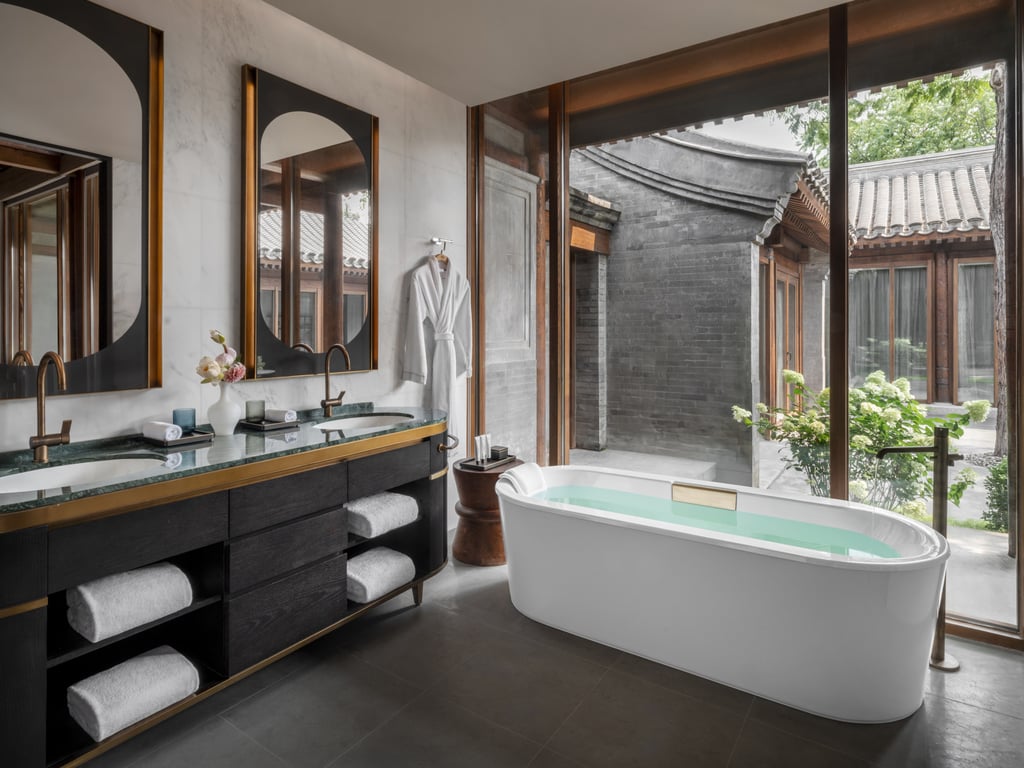
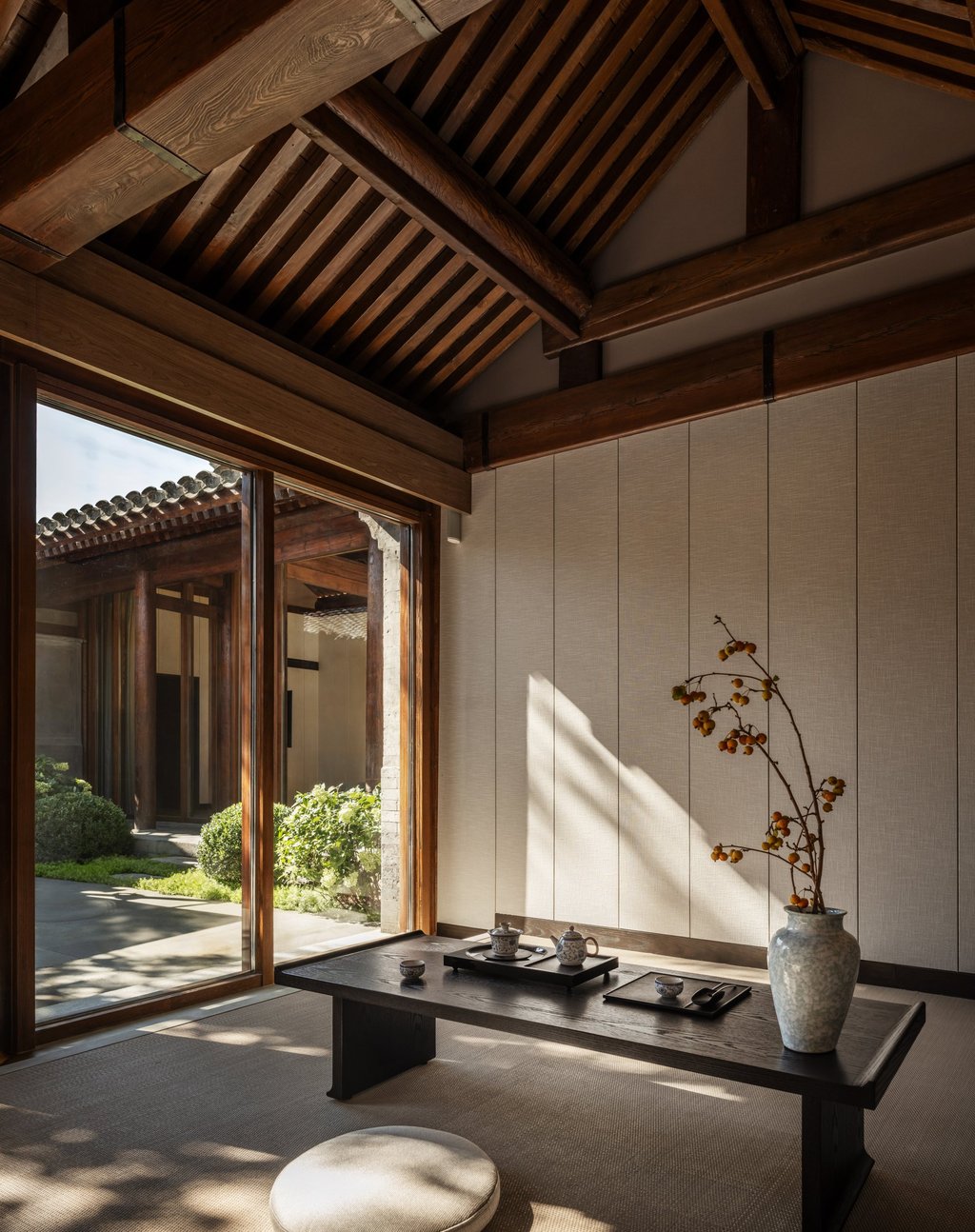
With their leafy courtyards decorated with bamboo trees and lovely outdoor sitting areas, the rooms are more akin to villas, their contemporary design seamlessly blending with the historic architecture. Each of them is different and provides total privacy, while also offering all the trappings of five-star suites: elegant furniture, expansive bedrooms, luxurious bathrooms stocked with Frédéric Malle products, and artworks celebrating Chinese culture.
What makes a stay at the Mandarin Oriental Qianmen so special, however, is its location. The hotel offers a full immersion into traditional Beijing life. As you walk to your room from the main building, which can take up to 10 minutes depending on where your alley is located, you will bump into locals going about their daily lives. The hotel provides buggies, but in order to fully experience the beautiful chaos of the neighbourhood, you should make the effort to walk around – just like its residents, including the stray cats nonchalantly climbing up and down the gabled rooftops. They are part of a rich tapestry of life waiting to be discovered – from groups of elderly playing mahjong at sunset to homemakers hanging clothes to dry in the morning and couples walking their dogs after dinner.
The hotel is far from an intruder, too. When it first opened in the autumn of 2024, there was some unease about a luxury company taking over an area where many residents still rely on public toilets for their daily routines, but the Mandarin Oriental embarked on a project of regeneration, giving a new lease of life to places that would have otherwise sat empty and fallen into disrepair.
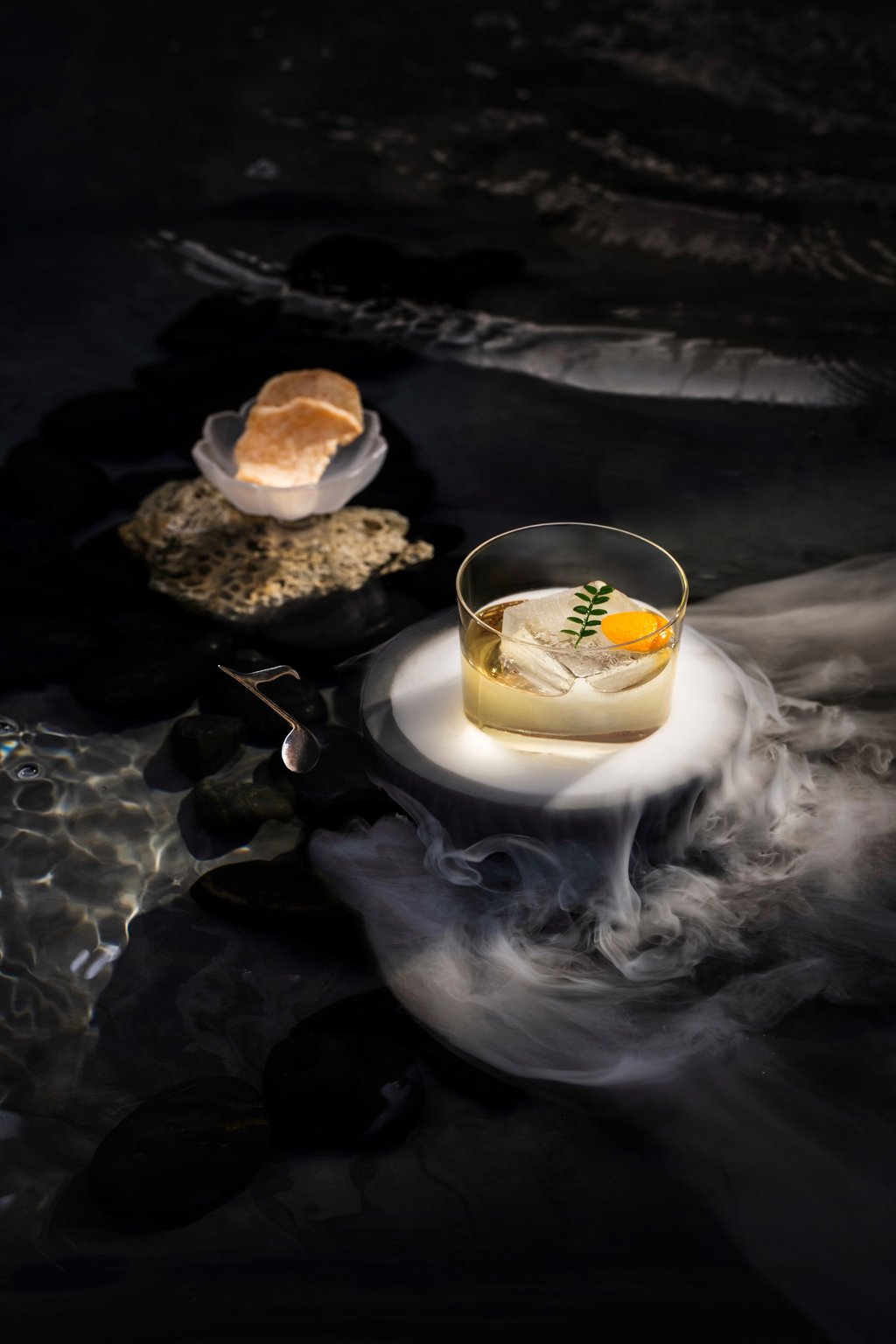
The area, which is a short walk away from the Forbidden City and Tiananmen Square, is now home to coffee shops, fashion boutiques and happening bars, including the hotel’s own Tiao, which every night attracts a stylish crowd thanks to its cool vibe – inspired by an old Beijing liquor factory – and inventive cocktails.