What drives Chinese millennial consumption?

A report by Credit Suisse Research Institute breaks down the differences between affluent millennials in the West and in China
This article was written by Ruonan Zheng and was originally published in Jing Daily
Chinese millennials are known to be big spenders. They are not afraid to make a large purchase in a heart beat, whether it is driving a Maserati home with a single swipe of a credit card, or clicking on a mobile app to buy a million dollar overseas property. Many may wonder what exactly gives young shoppers this confidence to make jaw-dropping purchases.
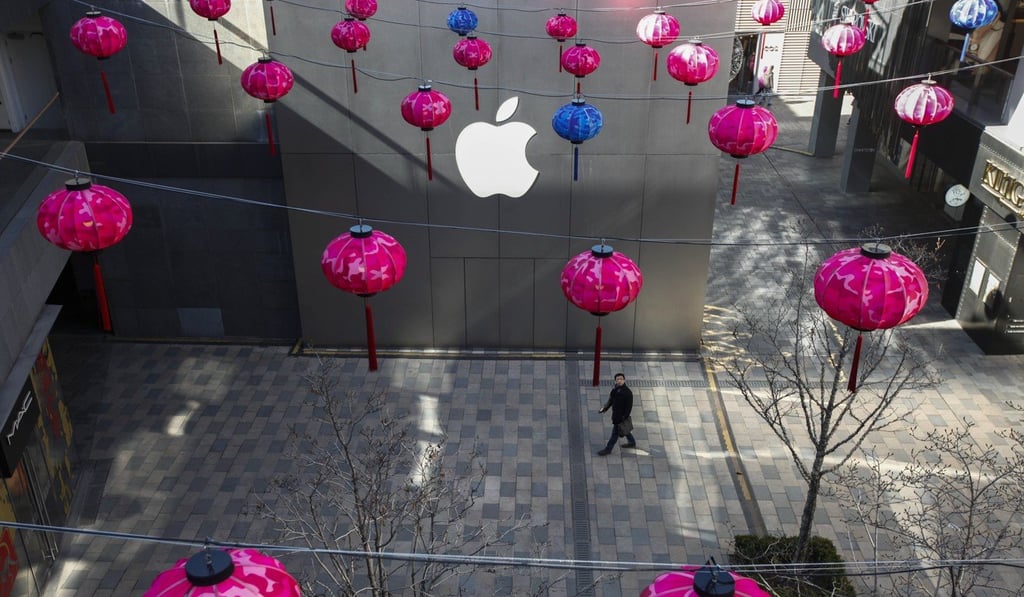
A report by Credit Suisse Research Institute explored this question by breaking down differences between affluent millennials in the West and in China. Referred to as “the unlucky generation,” the report says that millennials in the West face many roadblocks to wealth compared with other generations. They are hit early by the repercussions of the global financial crisis, alongside mounting student debt, tighter credit, and rising income inequality.
While China’s overall economic development is still healthy, that is not to say similar problems don’t exist. However, compared to their Western counterparts, millennials in China don’t have as many financial burdens to bear, thanks to a more family-oriented culture.
Born between the ages of 19 and 35, Chinese millennials are part of the one-child generation; being the only child means they were the centre of attention in their families. Without other children, parents were more willing to make financial sacrifices to ensure a bright future for their kids.
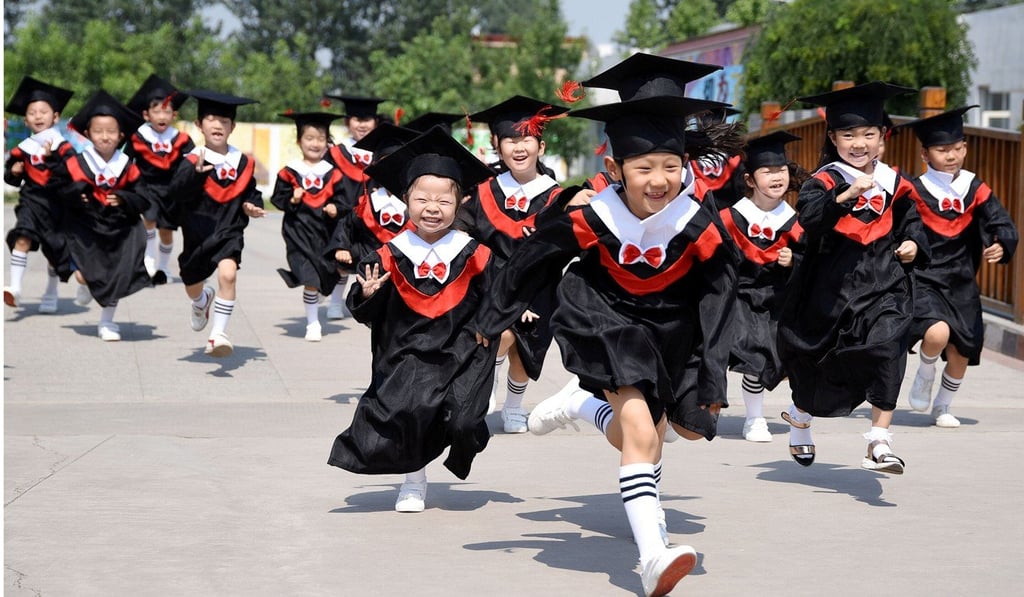
From the perspective of Chinese parents, supporting their children’s education financially is an investment for the family as well. As we reported before, investing in children’s education has a potentially higher return than pure luxury purchases because it can be leveraged as a chance of changing social status for a middle-class family. Often times, parents fully pay for education, and even cover expensive tuition fees at foreign universities. While many Chinese international students enjoy the benefits of not worrying about student loans, they are under enormous pressure to maintain good academic standing to meet their parents’ expectations.