Can ‘LAN Cable Life’ reality show’s focus on YouTube icon Banzz revive Korean TV?

Ailing networks turn to live-streaming social media creators as they try to attract new viewers among younger, Generation Z audiences
Television is on the wane. Even the most popular local television shows are struggling with single-digit viewership ratings.
In contrast, short mobile content is fast taking the place of traditional media, thanks to strong backing from Generation Z – those people aged between 13 and 24.
These creators live-stream their interests, on topics from online game broadcasting and make-up tutorials to dining, on YouTube or South Korea’s video streaming service afreecaTV and enjoy as much popularity as celebrities.
One in five teenagers who responded to a 2017 Korea Press Foundation survey said that they frequently watched mobile streaming shows.
The job of content creator is now one of the most sought-after professions among teens.
To adapt to this trend and expand its viewers to include the young generation, broadcasting companies have been inviting those online one-man broadcasters onto their television shows.
JTBC's new reality show LAN Cable Life, which premiered last Friday, features online content creators who have become cultural icons for young people.
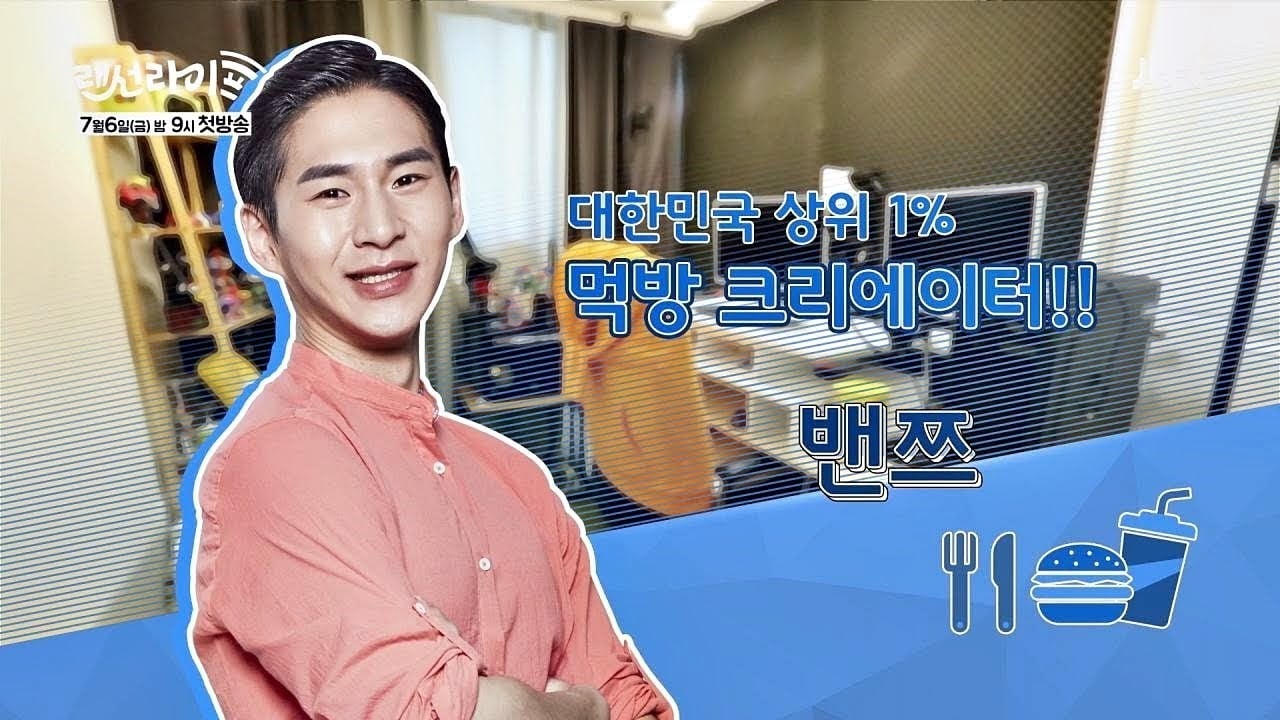
On the show, hosted by comedians Lee Young-ja and Kim Sook and JR from K-pop boy band NU'EST W, popular YouTubers Banzz, SSIN, Yumdaeng, and BuzzBean revealed their daily lives and showed what happens once they turn off their cameras.
“One-man broadcasting has been regarded as a subculture,” culture critic Kim Kyo-suk said. “But TV stations are moving to bring it into the mainstream. Variety shows, which ran out of fresh formats after years of observatory reality shows, regard it as a breakthrough.”