Why are China’s millennials hooked to the country’s US$5 billion live-streaming world?

Hard-hitting documentary ‘The People’s Republic of Desire’ looks at the exploitative virtual world of YY.com, a Chinese site focused on live video streaming
This article was originally written by Ruonan Zheng for Jing Daily
Early this month, a Chinese documentary won the prestigious South by South West Film Festival 2018 Grand Jury Award. The People’s Republic of Desire takes the viewer into the lucrative and exploitative world of YY.com, a Nasdaq-listed Chinese social media site focused on live video streaming.
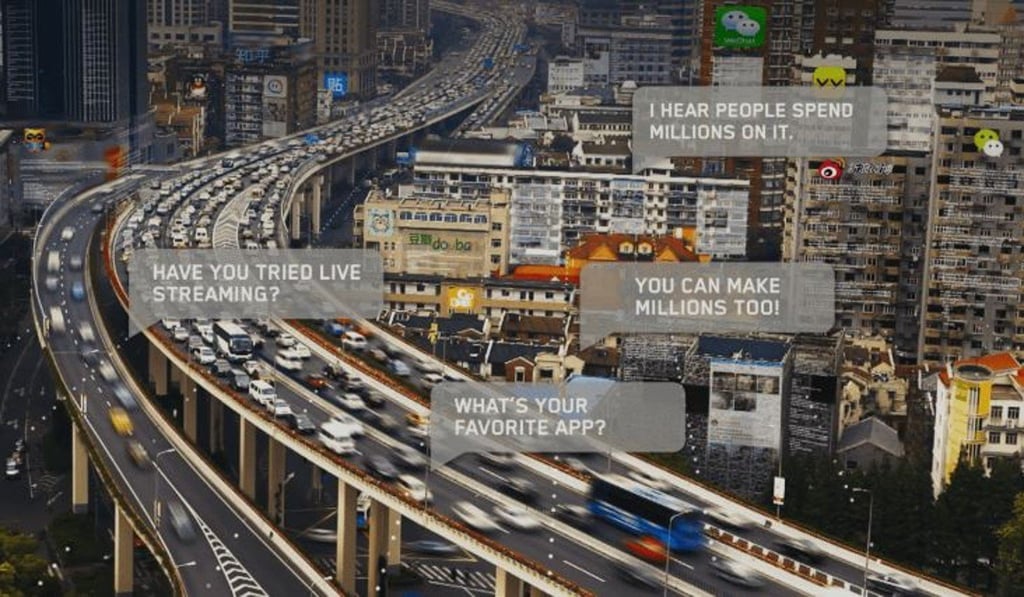
As many luxury brands increasingly use live streaming to attract fans and turn that attention into rivers of cash, they need to understand what’s driving the estimated US$5 billion live-streaming juggernaut in China. Young hosts can receive rewards in cash or kind from viewers, which has sent ordinary people on a quest for overnight fame and fortune.
The mainland produced documentary People’s Republic of Desire garnered considerable international attention this year, winning the prestigious South by South West Film Festival 2018 Grand Jury Award for documentary feature before being nominated for an Oscars earlier this month.
“Reckoning the cost of fame … a revealing examination of contemporary Chinese internet culture,” wrote the Hollywood Reporter. The film was also “provocative and unsettling as it brings us on a guided tour through the digital marketplace for something resembling human contact,” commented Variety.
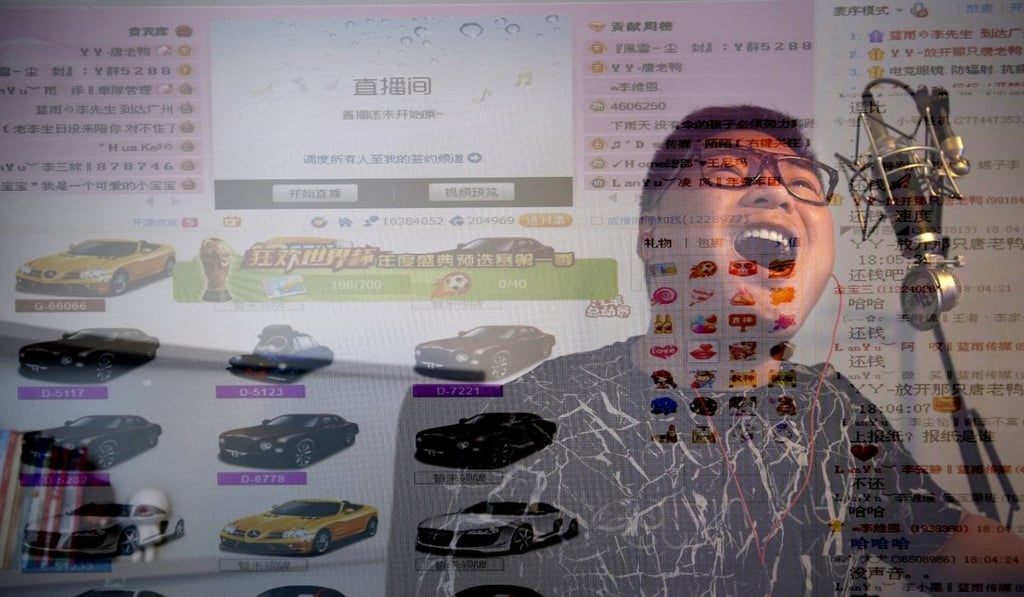
The film focuses on two main characters, 21-year-old Shen Man and comedian Big Li, 24. Both come from relatively humble backgrounds – Shen studied nursing, while Li started as a construction worker in Beijing. Just a few years after stepping into their live-streaming careers, their stories of overnight riches and fame is the stuff of legend to their adoring fans.
The live streamers are similarly valued by the luxury brands – creating the sense of fulfilled aspiration that is craved by young people living in smaller cities, where jobs are scarce and wealth is lower than the average for China.