Opinion / China’s Generation Z: All you need to know about luxury’s extreme disruption force

It is always digital first for this demographic, and traditional luxury, premium and lifestyle brands need to reconsider how to create engaging consumer experiences
This article was originally written by Daniel Langer for Jing Daily
China is home to the world’s youngest luxury consumers – sophisticated “digital natives” who have grown up pampered in one-child families. From daily phone payments for school lunches to high-end luxury online purchases, it’s always digital first for Generation Z. With this, however, comes more potential for disruption than traditional luxury brands have ever seen, and it’s something they need to prepare for.
Disruption can give opportunities to companies: a way for them to enter the market at a different angle. That is exactly what the luxury brand Gray, which was recently founded by two college students in Singapore, has done. The brand’s CEO, Kevin Wu, is hell-bent on bringing radical ideas about luxury to his tech-obsessed generation of consumers.
Consequently, his team has launched the first luxury crypto-wallet (in collaboration with Trezor, a maker of cryptocurrency wallet hardware) for items priced at US$1,000 and upwards – prices that are way above most luxury wallets working with traditional banknotes. At a time when most luxury managers have scarcely any experience with cryptocurrencies, young companies like Gray are thinking differently to build up new markets: the definition of disrupting.
The theory is that if consumers are digital first, then bricks-and-mortar stores need to be experiential first, otherwise, they have no reason to exist for these consumers.
A similar tendency to innovate is sweeping through the sneaker market, too. With roots in skateboarding, the Venice Beach-based brand No. One intends to disrupt the shoe market with bespoke sneakers made with the finest leather available and using traditional dress shoemaking techniques. The company’s online collection “drops” are selling out in minutes, and its shoes reach consumers all over the world.
This Gen Z-driven sneaker hype is in its infancy. Looking at the growing offerings from Off-White, Gucci, Louis Vuitton and Balenciaga, and even Adidas and Nike’s hi-tech, high-end lines, we have an idea of how much more disruption to expect in the luxury shoe business.
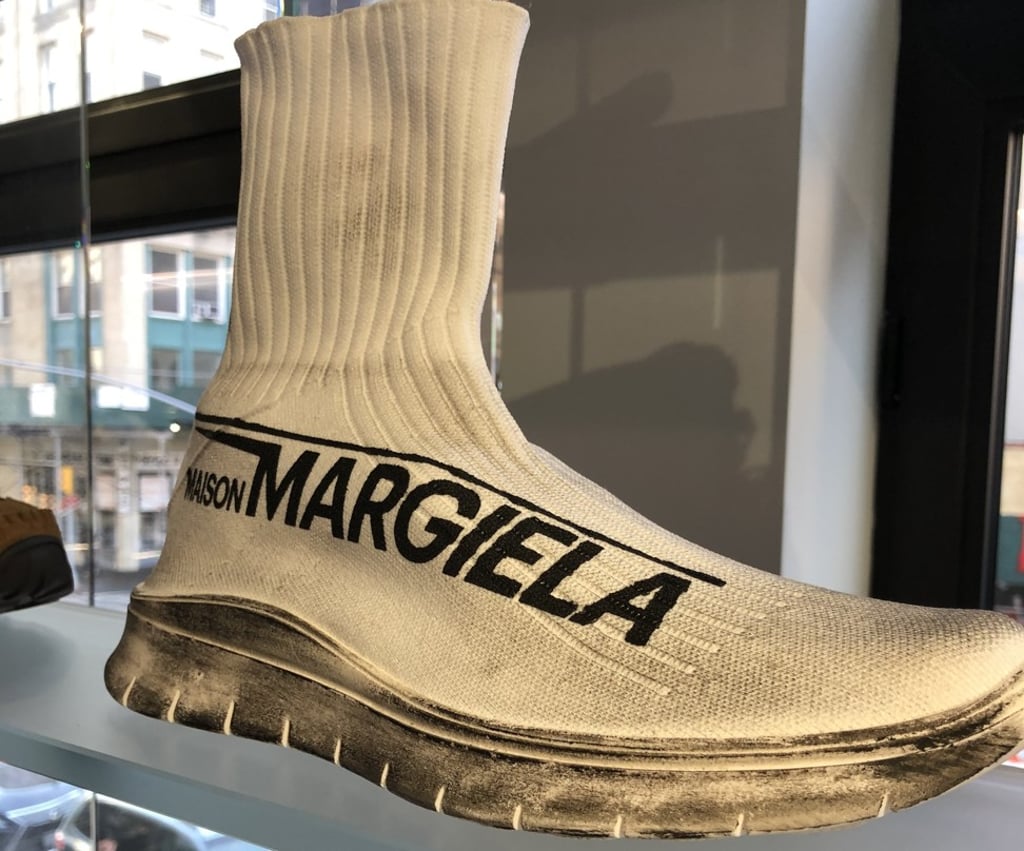
Fortunately for the industry, shoe creativity seems to have no limits. Take Maison Margiela’s dirt sock sneakers – a shoe that stretches the idea of what most people consider “luxury”. When I showed them to a sneaker-obsessed Gen-Z friend, she said, “They are dope!”