4 ways luxury brands are failing Gen Z consumers – especially in China

As millennial consumers age and settle down, Gen Z is undoubtedly the next market gold rush – especially in China – but luxury brands need to up their game in inclusion, diversity, honesty and video content to get ahead
This article was originally written by Adina-Laura Achim for Jing Daily
Despite being stereotyped by an apparent resistance to marriage and procreation, most millennials inevitably, eventually, embark upon the adventures of family life. And once they embrace parenthood, their priorities and spending habits change from a focus on frivolities and leisure activities to parenting products and services.
So, the luxury industry’s contingency plan must be to turn its focus toward Generation Z. Both generations remain relevant, but Gen Z is credited with bringing new blood into streetwear culture while helping to modernise classic brands like Gucci and Saint Laurent.
The fastest way to a Gen Zer’s heart is with engaging video content
According to Campaign Monitor, “Generation Z is one of the most powerful consumer forces in the market today. Their buying power is US$44 billion and expands to US$600 billion when considering the influence they have on their parents’ spending.”
But despite their incredible potential, marketers remain baffled by this consumer segment. This is somewhat understandable, as Gen Zers have unique traits that make them both appealing and frightening as an audience.
They are indeed the first true digital natives, and this has huge implications and challenges because not every brand is fluent in social media lingo, or up-to-date with the latest technology.
Furthermore, this generation is a result of the strict enforcement of China’s one-child policy. Because of this, Gen Z kids grew up in households free from sibling rivalry and were pampered by older relatives. Some critics argue that this situation has created a generation of “little emperors”; narcissistic and weak-willed children spoiled by parental attention and new-found material comfort. The narcissism tag may be debatable, but we can acknowledge that Generation Z has unique characteristics that impact their consumer behaviour.
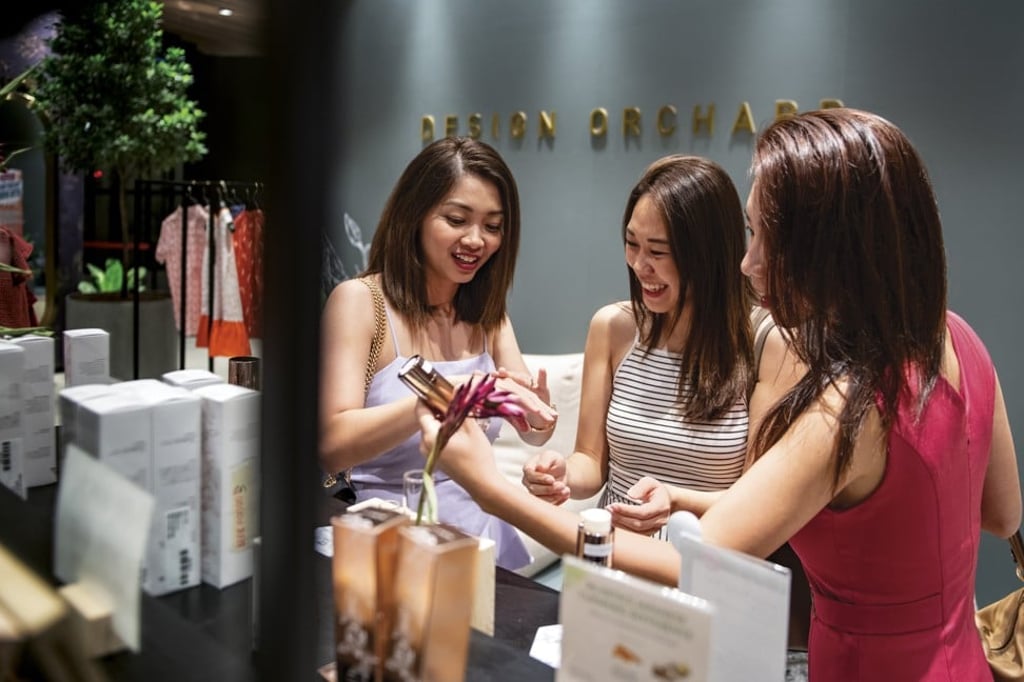
Another Gen Z trait is being even more socially conscious than millennials. According to a report by MNI Targeted Media, 56 per cent of Gen Zers “consider themselves to be socially conscious and more than 50 per cent report that knowing a brand is socially conscious influences their purchasing decisions”. Moreover, as the most educated generation in history, Gen Z understands the importance of staying informed, and this knowledge formed their beliefs that brands should adopt socially and environmentally responsible practices.
Ultimately, Gen Z is a generation like none that has come before it, and marketers feel pressure to redesign their whole marketing strategy to engage it. For this reason, we have outlined the best strategies for brands to implement so they can build long-lasting connections with Gen Zers.
1. Authenticity and brand honesty should become the core values