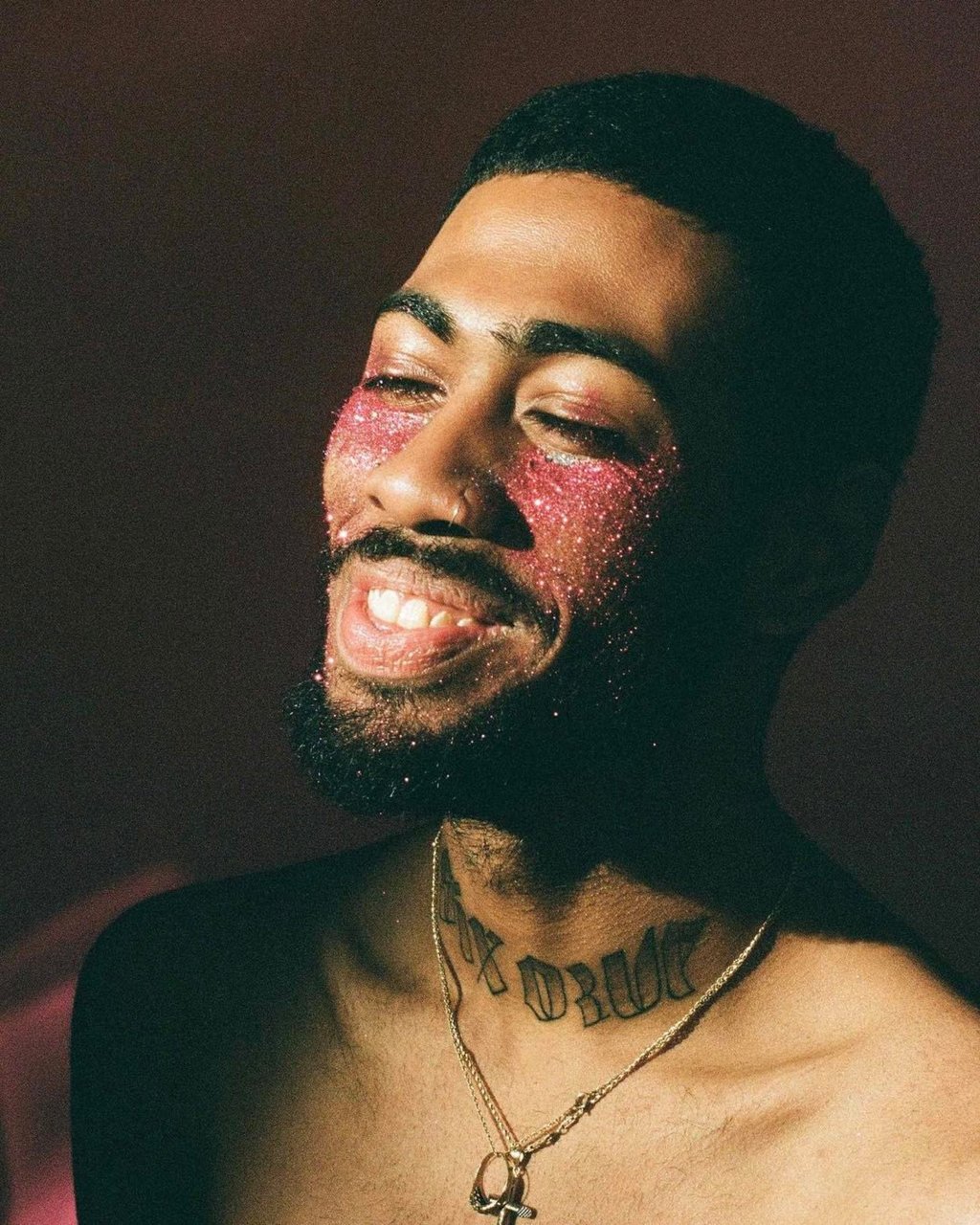
Photographer Quil Lemons has shot Zendaya and Billie Eilish, but his most powerful work focuses on issues of queer identity, helping people let their ‘freak flag fly’ – interview

- Quil Lemons’ Billie Eilish feature made him the youngest to shoot a Vanity Fair cover – he’s since worked with powerful celebrity women including Halle Bailey and Alicia Keys
- Like Lyle Ashton Harris and Robert Mapplethorpe, Lemons’ isn’t shy in addressing important issues in his work – tackling queer identity head-on with his ‘Glitterboy’ series and paying tribute to his hometown Philadelphia with ‘Quiladelphia’
In a world of clout chasers and viral moments, Quil Lemons’ considered choice of words stands out. “I was always interested in being someone that was going to be respected for what I did,” the 26-year-old tells Style. “No matter the value of it, I wanted people to see my talent. I wanted them to see how hard I worked. I don’t come into this industry with any nepotism. To be a young Black man … It took a lot of hard work.”
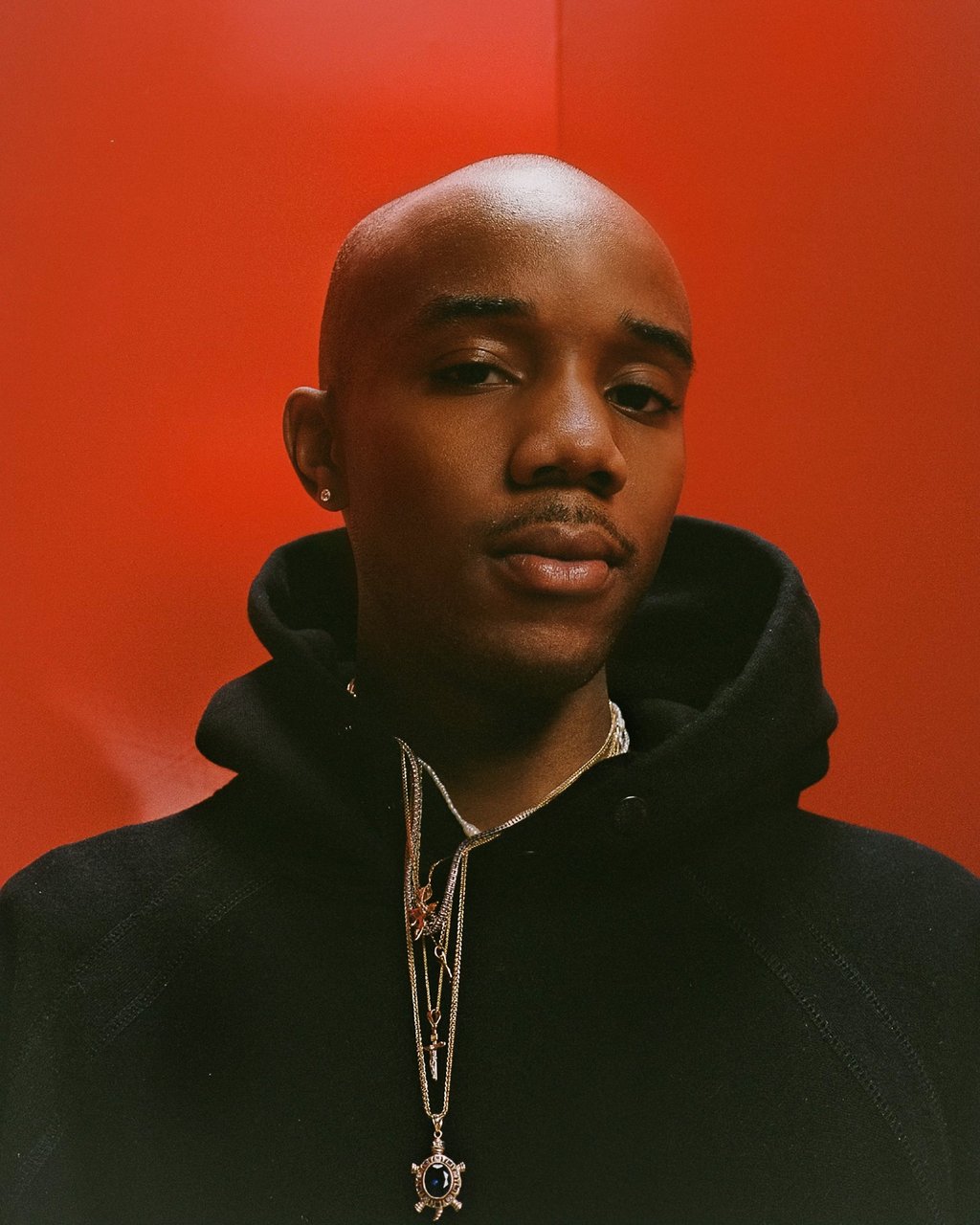
That community would be South Philadelphia, where Lemons was born and raised. Aptly titled “Quiladelphia”, the young photographer’s most recent solo exhibition pays tribute to his hometown, as well as fellow members of the Black queer community who inhabit it. “Photography has always been a space for me to claim queer identity, especially with my last body of work,” Lemons says about the exhibit’s origins. Shot entirely on film, the series features his own friends and creative contemporaries – worlds away from the splashy celebrity portraits he’s become more widely known for.
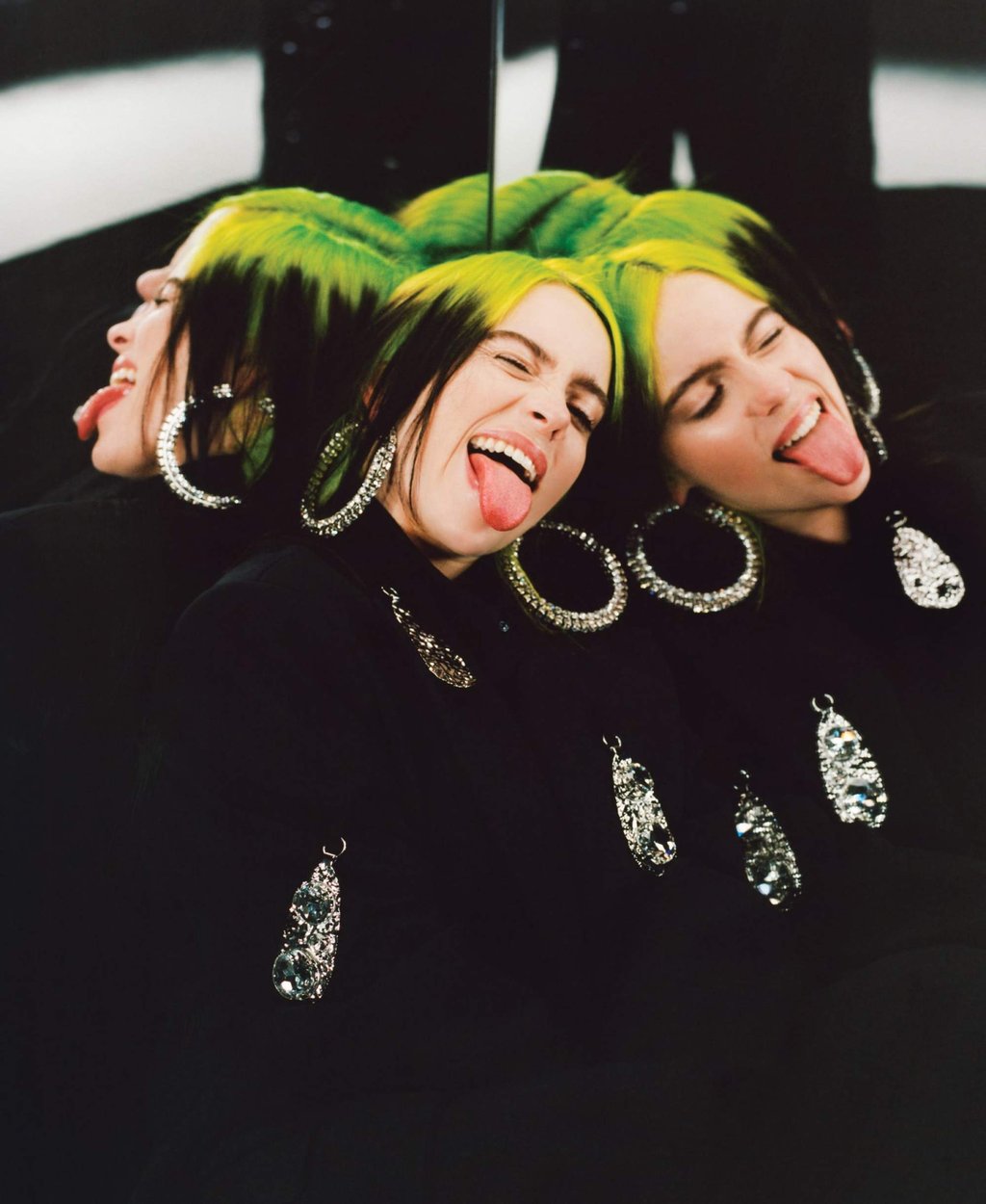
“‘Quiladelphia’ challenged me a little bit more with intimacy because we were including nudity,” Lemons continues. “It’s really fun to have that level of trust from people that you just respect, like, oh, I’m respected enough that you guys trust me with your nude body. When doing nudes you have to be very careful, because I see so many people abuse that relationship and abuse that power. I’m very careful about navigating that conversation. I hope that it just empowers everyone to let your freak flag fly. Freak flag in the sense of, just be who you are.”
Growing up as the child of teen parents, commuting between home in South Philly and school in the city centre, Lemons knows a thing or two about code switching, trying to figure out who you are. I wonder openly whether this has given him that innate instinct which is hard to find in even the most seasoned of photographers – an ability to recognise people for who they are; to afford them the level of understanding and respect required to create genuine, sincere portraiture; to not only see others, but allow them to feel seen.
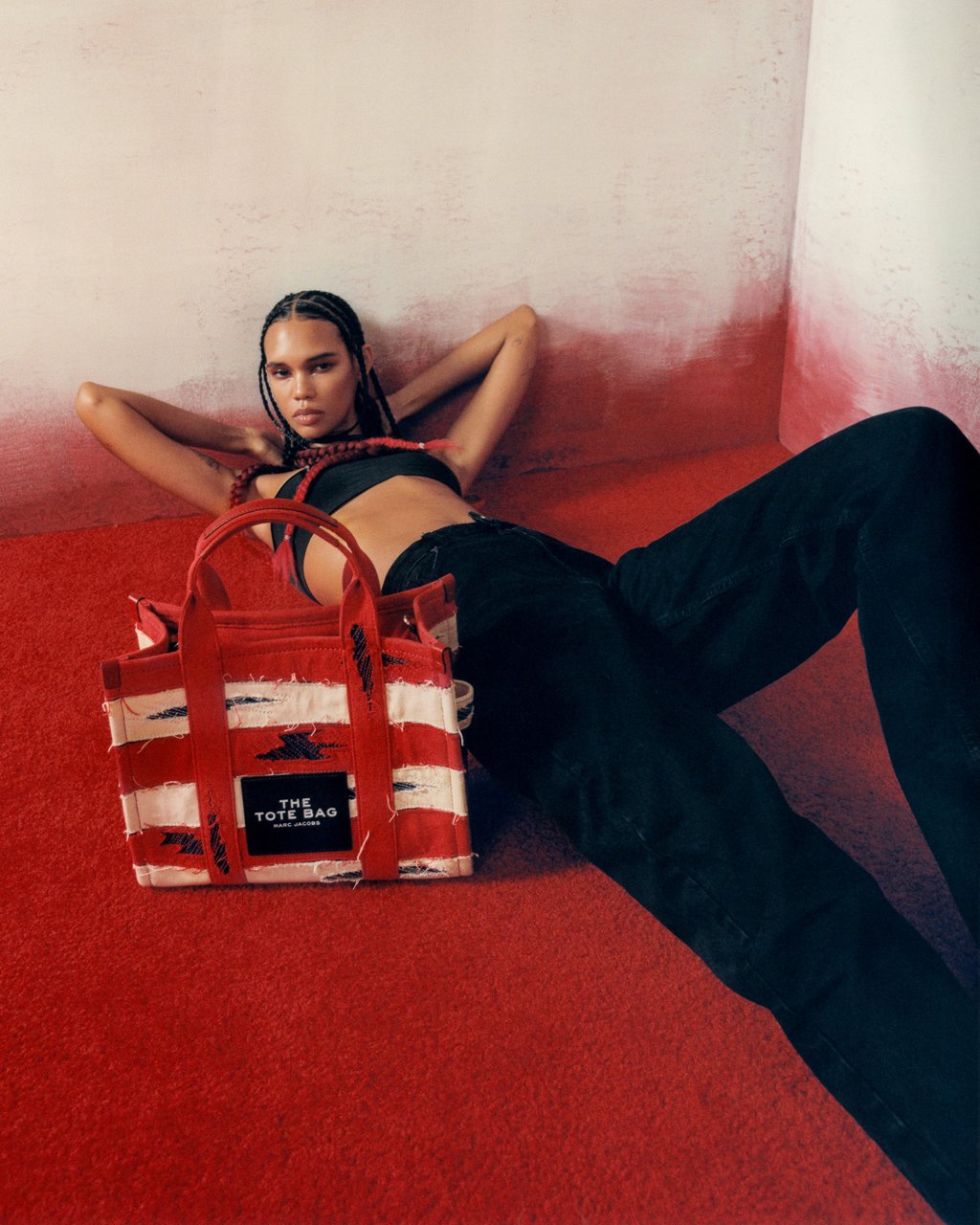
“It’s different because ‘Quiladelphia’ democratised who gets to be shot by me. For a long time a lot of people thought it was just gonna be like Billie, these larger-than-life people,” says Lemons. “But anyone that I shoot, I really just respect as a person – and I’m interested in giving them a photo that they just enjoy, and really get to see themselves. That’s my first goal as a photographer. I just naturally want to be interested in you.”
If consuming honest and authentic imagery feels rare in our attention economy, that’s because it is. It’s what makes Lemons’ ability to bring out the humanity of his subjects all the more special, resulting in work that is equal parts probing, introspective and inspirational. “I think great art makes people uncomfortable, and I’m happy there’s so much conversation around this work. Because I don’t want silence. Historically, too, silence equals death.”