The tropical overwater bungalow – long a symbol of luxury – turns 50

The origin of the water villa lies in a problem-solving exercise
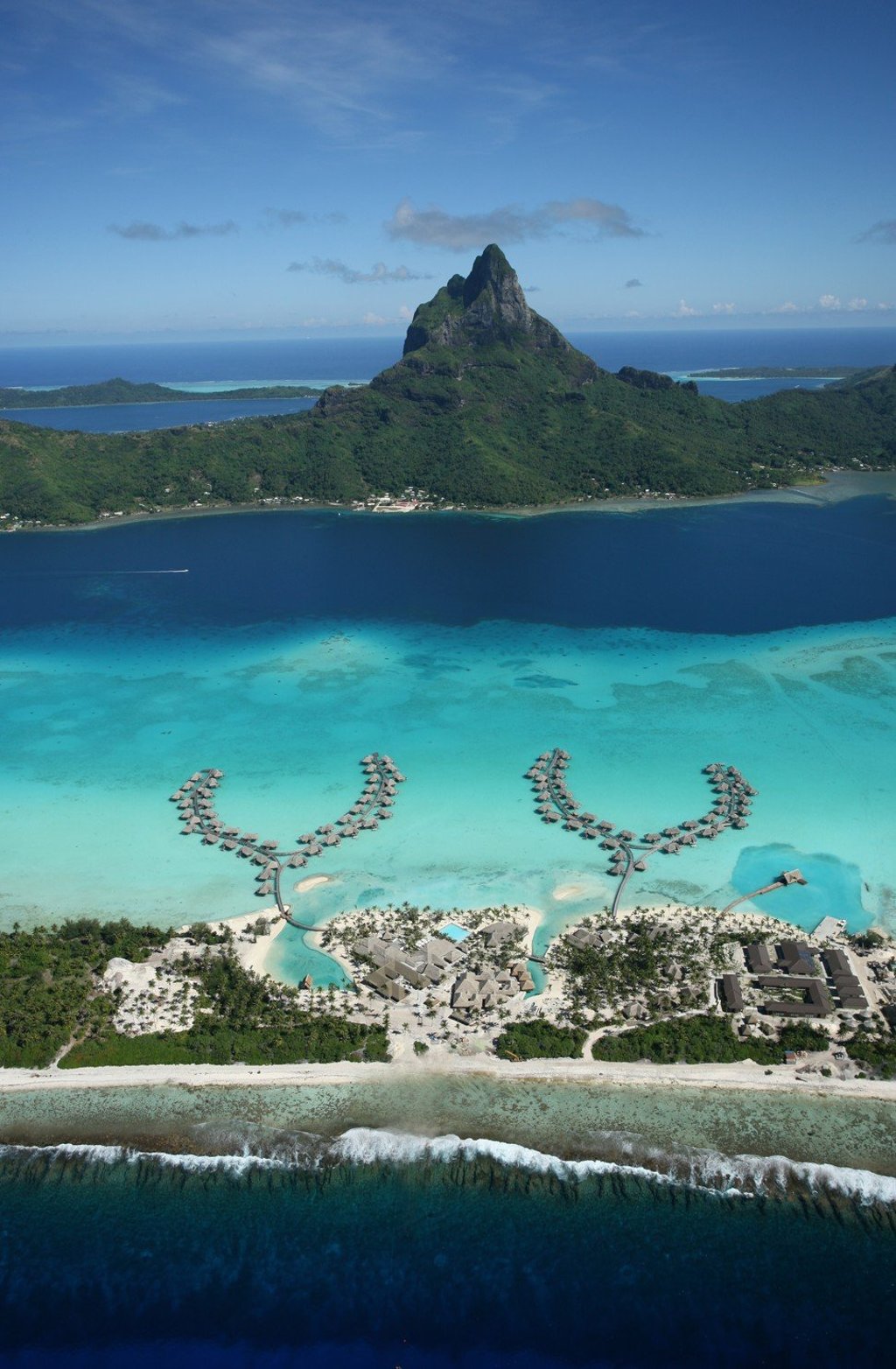
The overwater bungalow – that iconic symbol of the paradisiacal tropical vacation, standing in clear blue water on stilt legs – turns the big five-oh this year. The thatched huts, often outfitted with such luxury amenities as plunge pools and glass floors to better see the fish below, are a staple on the bucket lists and Pinterest boards of aspirational travellers the world over. Yet their origin lies in a surprisingly prosaic exercise in problem-solving.
Back in the ‘60s, three tanned, party-hearty California kids – Hugh Kelley, Don “Muk” McCallum and Jay Carlisle – left their 9-to-5s in pursuit of their tropical dreams in French Polynesia. Opening hotels on Moorea and Raiatea, the trio was dubbed the Bali Hai Boys, after the mystical island in James Michener’s novel “South Pacific”.
Carlisle, now in his 70s, reminisces about those days:
“Our Hotel Bali Hai on Moorea thrived with its beachfront property, but Hotel Bora Bora on Raiatea struggled,” he says. “It didn’t have any beaches.” A serious problem, indeed. “Inspired by the vernacular thatched-roof fishing huts,” he goes on, “Kelley derived the idea of building bungalows on concrete stilts out on the bay, providing direct access to the lagoon. We drilled down by hand; there were no electric drills or anything. We did all of the work.” That was in 1967.
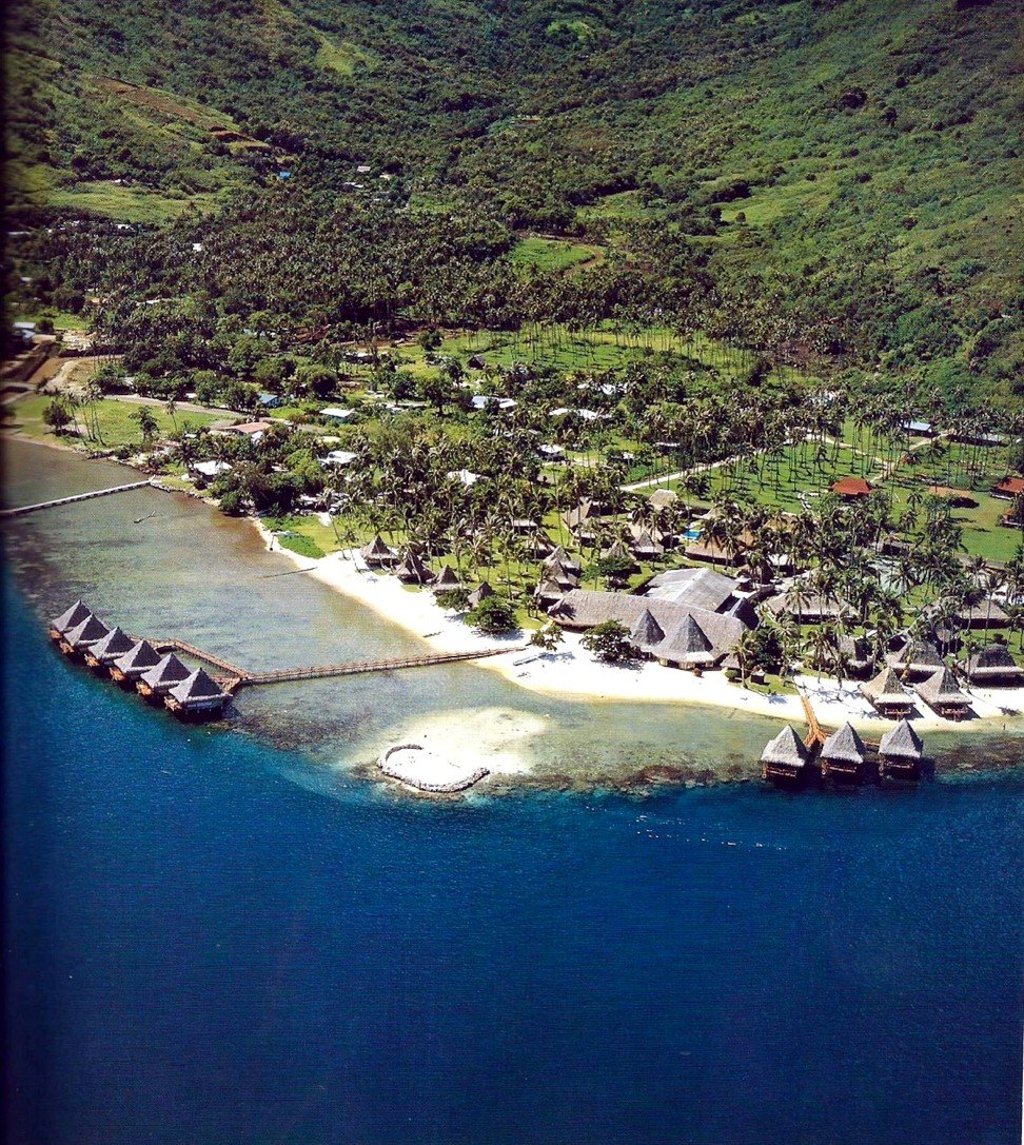
The trio assured the government that the stilted bungalows wouldn’t damage the environment. “We built small docks that extended out into a flat place in the lagoon and attached them to pylons, ” Carlisle said, “The coral grows around the pylons and attracts the fish.”
They built three bungalows “with Plexiglas on the living room floor so you could see the reef below.” That feature soon became known as “Tahitian TV,” a must-have in any overwater bungalow.
People liked the bungalows, so the Bali Hai Boys built six more. And then another three. Then other hotels in the region started copying them. Even though the originals were never luxe, they ignited a revolution in posh hotel architecture, and French Polynesia became synonymous with tropical glamour.
A post shared by Bali Hai Boutique (@balihaiboutique) on Jun 13, 2017 at 8:50pm PDT
Today, with the other men’s children, Carlisle oversees the Club Bali Hai Moorea Hotel, the smallest and last of their properties. (McCallum now lives on the US mainland, and Kelley died in 1998.) The hotel remains quite rustic, and Carlisle insists that he has no plans to change that.