The finest Chinese cuisine in Macau that you must try now

We talk to three culinary experts about the history and principles behind one of China’s most celebrated cuisines
One of China’s most celebrated exports is its cuisine.
Superficially, most of the dishes that have come to represent Chinese cuisine worldwide – with Peking duck being an exception – are of Cantonese and Sichuanese origin.
Dim sum, probably the most globally recognised Chinese culinary concept, is Cantonese.
In Cantonese cuisine, you have the belief that the ultimate dish has to possess ‘colour, aroma and taste’. If a dish doesn’t look nice, it won’t whet your appetite
There are eight major regional cuisines in China: Cantonese (Yue), Sichuan (Chuan), Jiangsu (Su), Zhejiang (Zhe), Fujian (Min), Hunan (Xiang), Anhui (Hui) and Shandong (Lu).
This categorisation does not include cuisines from autonomous regions of ethnic minorities and can be further broken down into cuisines of smaller regions.
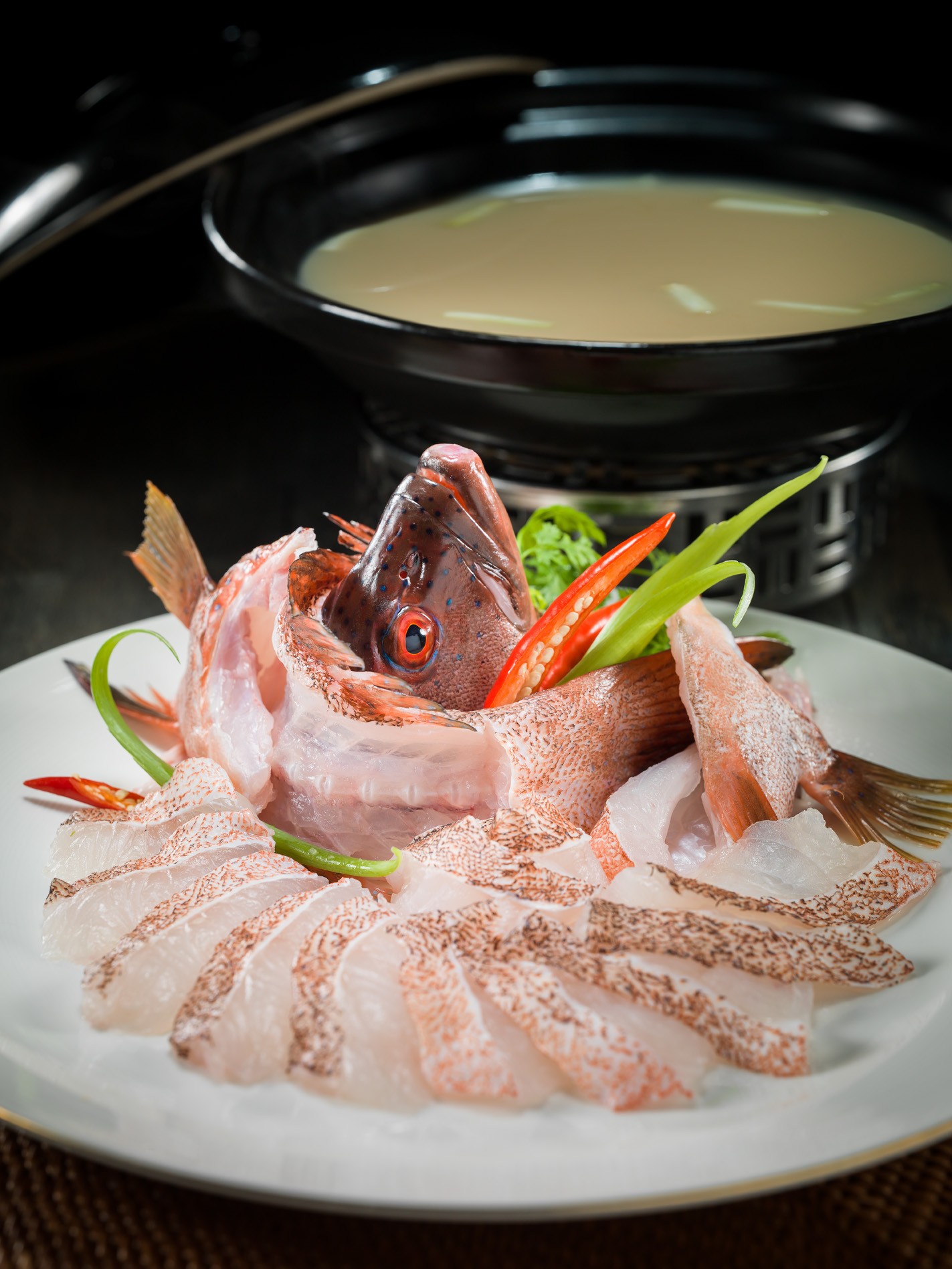
While Sichuanese food has captured an international audience for its signature fiery character, Cantonese cooking has garnered fanfare for its delicateness and versatility.
“Chinese cuisine is about ‘original juice and original flavour’, and it is about wok qi. Bringing out the essence of the ingredients is the ultimate goal,” says executive Chinese chef Lim Chuan Seng of Canton at The Venetian Macao.
Wok qi refers to cooking in a wok on high heat which, when combined with precise timing, brings out the ideal combination of taste and aroma from the ingredients.
Steaming is also another characteristic method used in Cantonese cuisine to preserve flavour.
“When you steam a fish, you keep the jus of the whole fish, and then add seasoning,” Lim says.