5 facts about Japanese sake that you didn’t know

There are eight types of sake and the sake-making process is more complicated than that of wine. The earliest sake is believed to involve the chewing of rice by virgins
Thanks to the popularity of Japanese cuisine, Japan’s national drink, sake, has been catching up fast over the last five years. According to Trade Statistics of Japan 2018 by Japan’s Ministry of Finance, the export of sake set a new record in 2017 to 23,500 kilolitres worldwide.
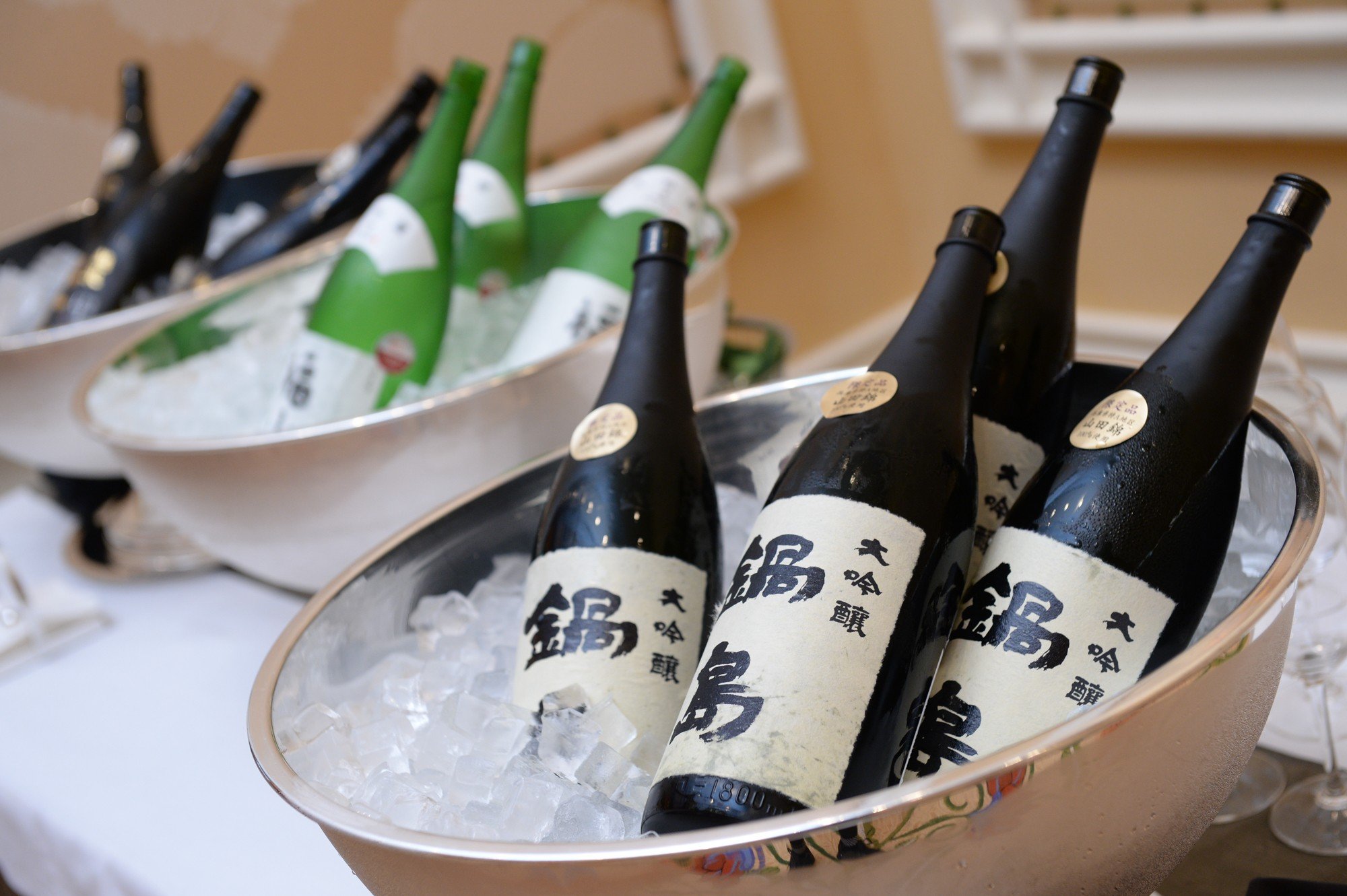
Earlier this month, one of the most influential tasting competitions in the world, International Wine Challenge (IWC), hosted its first Champion Sake event in Macau. Held at Wynn Palace and Wynn Macau, the two-day event featured 15 trophy sake from its sake competitions over the past 11 years in a walkabout tasting, a sake pairing gala dinner and a masterclass.
First introduced in 2007, the IWC sake competition has become the largest sake competition outside Japan. The Macau event showcased award sake, such as the 2010 champion sake, Born, a junmai daiginjo which is fresh and floral, with green fruity, honey and apricot jam flavour; the 2008 champion sake, Dewazakura Ichiro, a fresh, rich and balanced junmai daiginjo with good umami, grapefruit and lime flavour; and the 2012 champion sake Daiginjo Fukukomachi, a soft and round ginjo daiginjo with grapefruit and umami flavour.

Micky Chan, an IWC Sake judge for five years and a Sake Samurai, says sake is becoming trendy in today’s global market. “This is associated with the popularity of Japanese cuisine, which is regarded as healthy, not so oily, delicate, elegant and minimal,” he says. “When people are having Japanese dishes, they pair the food with sake.”
Chan also shared five facts about this Japanese rice-based liquor that you might not have known about.
The existing categorisation of sake was first introduced in the early 1990s