Quan Alley takes first prize for the most Instagrammable hotpot dishes in town

Taiwanese restaurant Quan Alley, a pioneer in hotpot artistry, has opened a branch in Hong Kong, and is taking the steamboat game to the next level
Hongkongers love to hotpot. We love it so much that we’ll eat it all year round – in any weather, for lunch, dinner or supper. Although there have been many different influences on how we flavour our hotpots – such as different kinds of broth and new ingredients every once in a while – there hasn’t been much to shake things up in the hotpot game over the years. Until now, that is.
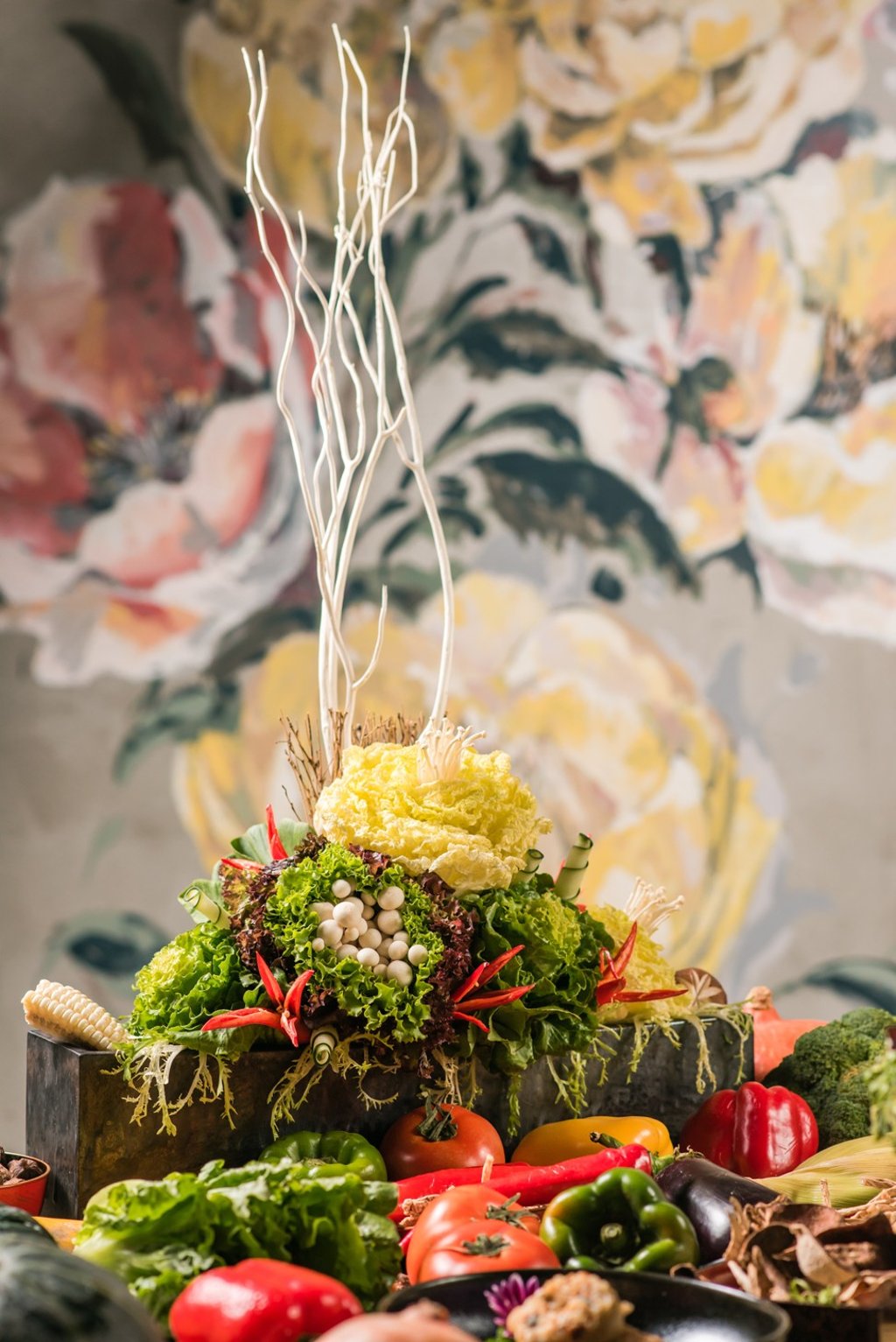
First opening its doors in Taipei in 2012, Quan Alley gained popularity with its impeccable presentation and top-notch ingredients. Riding the wave of food on Instagram in the last several years, the refined hotpot restaurant soon became one of the most popular restaurants in town.
Ocean Terminal in Harbour City is Quan Alley’s first offshore branch, and for a restaurant in which customers have confused the vegetable bouquet with the decorations, we’re curious to find out how the aesthetics of the plating transition to the palate.
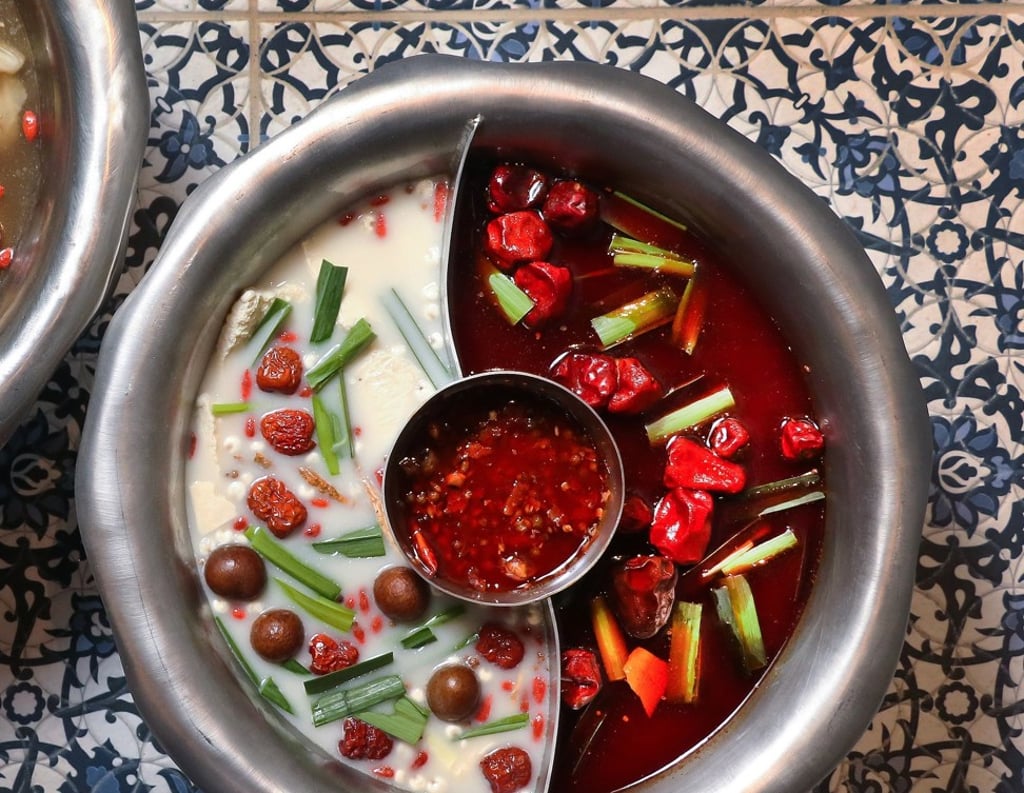
We eagerly wait for our signature yin yan hotpot to heat up, which has a thick pork bone broth especially made for the Hong Kong market and Quan Alley’s signature mala (numbing spice) broth, which is made with a paste that’s aged for seven days before it’s used. For the uninitiated, the soup base is half the battle when it comes to hotpot, as it flavours all the ingredients that are cooked. The pork broth is thick and silky while the mala flavour leans towards the numbing rather than the spice – and for those who can handle a bit more of a kick, the mala soup is too lightweight.
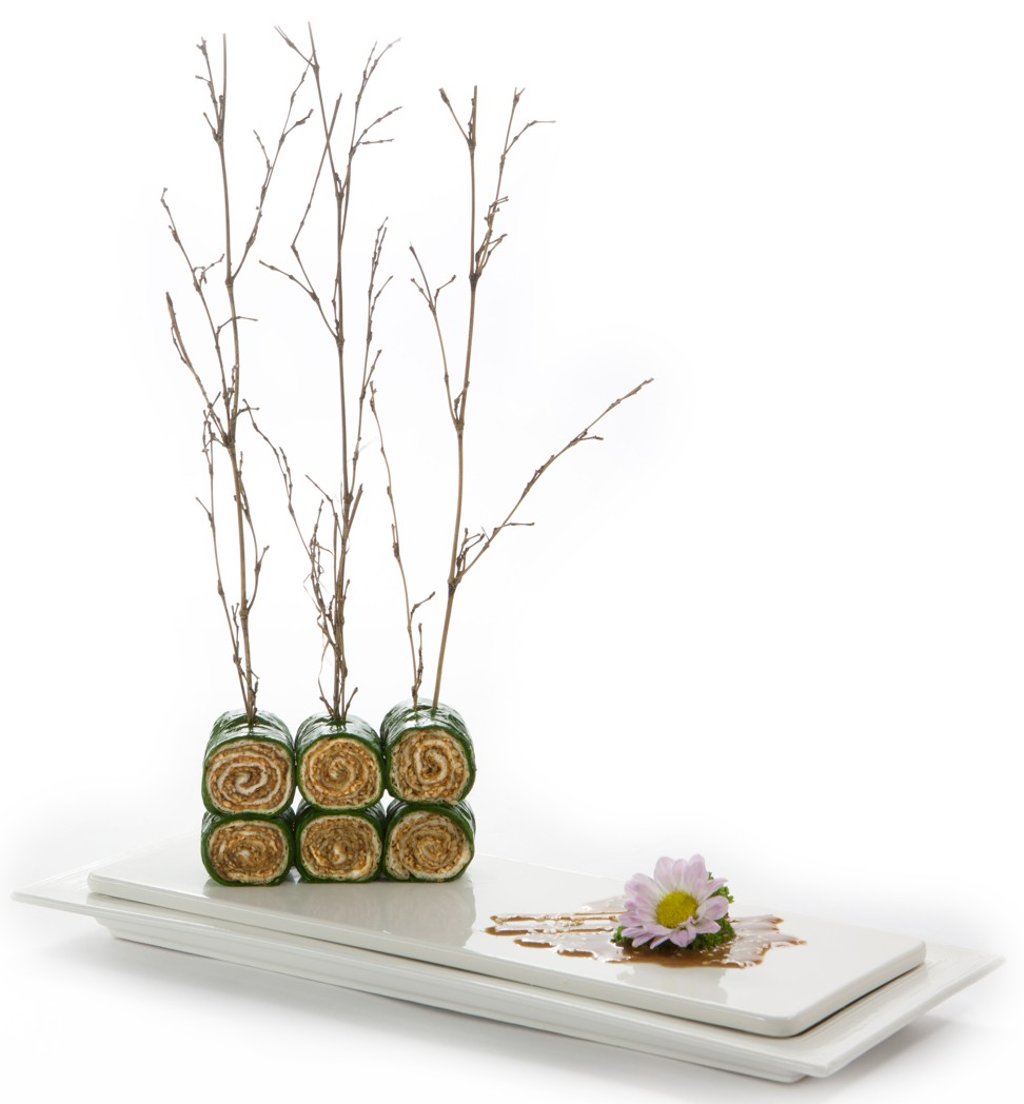
First to arrive is the lollipop, for which fried tofu skin is tightly rolled with sesame seeds and wrapped with spinach leaves. The description doesn’t sound like much, but the presentation can go head to head with any Japanese ikebana flower art. The ratio of sesame peanut mix to tofu skin is one to one and mixed with soup broth; it’s reminiscent of the peanut sesame snacks you can buy at a night market in Taipei.