Why champagne makers Dom Pérignon, Veuve Clicquot and Deutz wouldn't get by without their chef de caves

Meet the wine experts with decades of experience, who possess an encyclopedic knowledge of their house’s vintages and decide which new and reserve wines to blend for each cuvée
On a cool summer’s day in June of this year, a fleet of black Mercedes-Benz snaked through the French countryside heading for the vineyards of Hautvilliers Abbey, the spiritual home of Dom Pérignon, in the Champagne region. It looked presidential, as more than a hundred guests arrived for a once-in-a-few-decades event – the handover ceremony of the champagne house’s chef de cave.
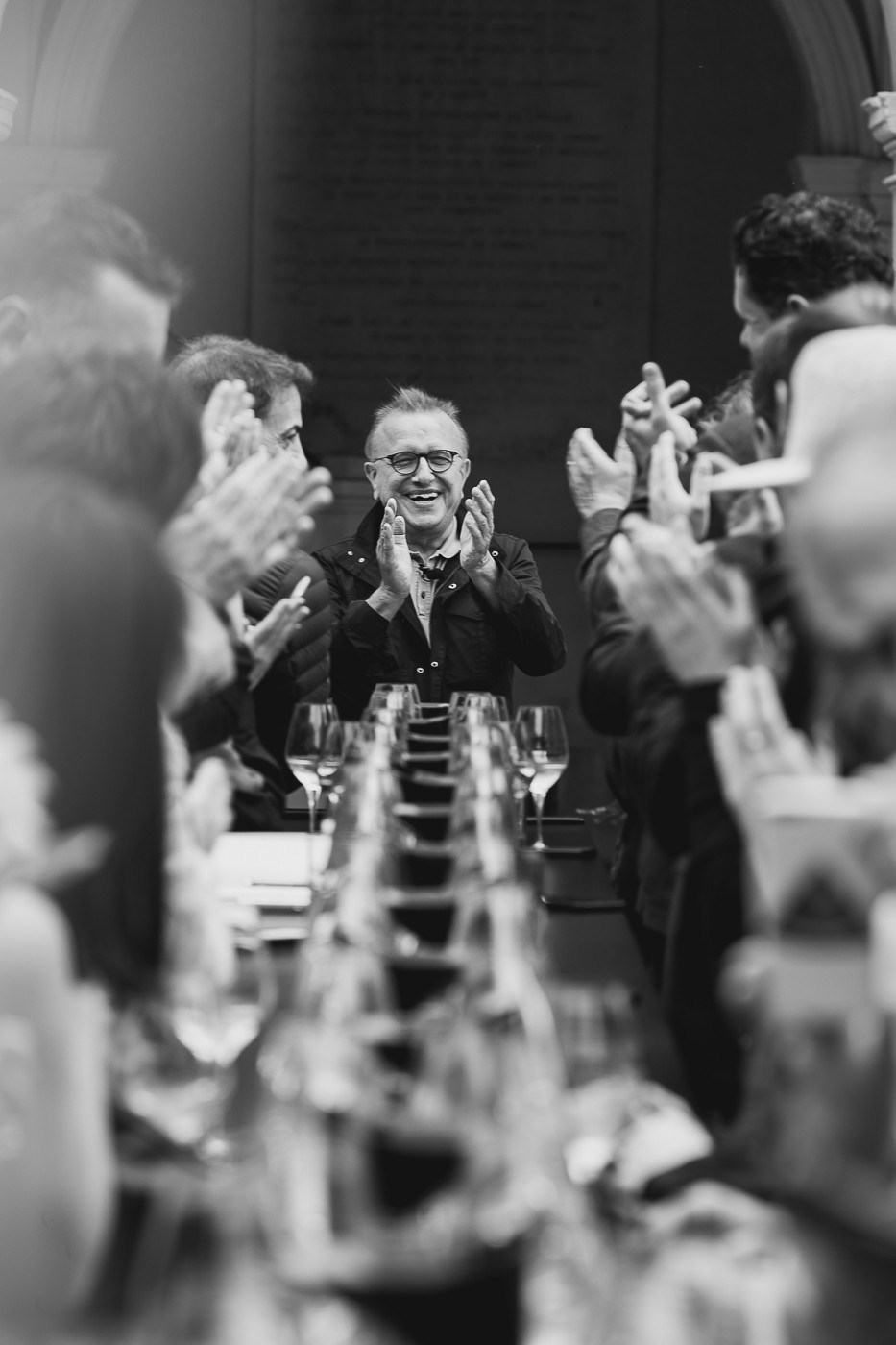
Richard Geoffroy was retiring after 28 years in the role as “the guardian” – as the job has been referred to – handing over to Vincent Chaperon who will officially take over the role on January 1, 2019.
It might seem like overkill to host such a large event for one person’s retirement, but a chef de cave is key to a champagne house’s identity. These revered experts must have an encyclopedic knowledge of the house’s vintages to decide on the new and reserve wines to blend for each cuvée, and often stay with the brand for an extended period of time, thereby defining its DNA for decades to come.
Geoffroy had overseen 28 harvests and released 11 roses and 14 white vintages during his tenure, and his “swan song” has been the best yet, the 2008 vintage. “The conditions were close to perfect for this champagne,” said Geoffroy, who was recently in Hong Kong with Chaperon to launch this limited- edition must-have vintage. He has left quite a legacy, but as Geoffroy admits, it is not all about the perfect weather or the terroir when making the perfect wine; each chef de cave must have good instincts and must bring his own personality to
the mix.
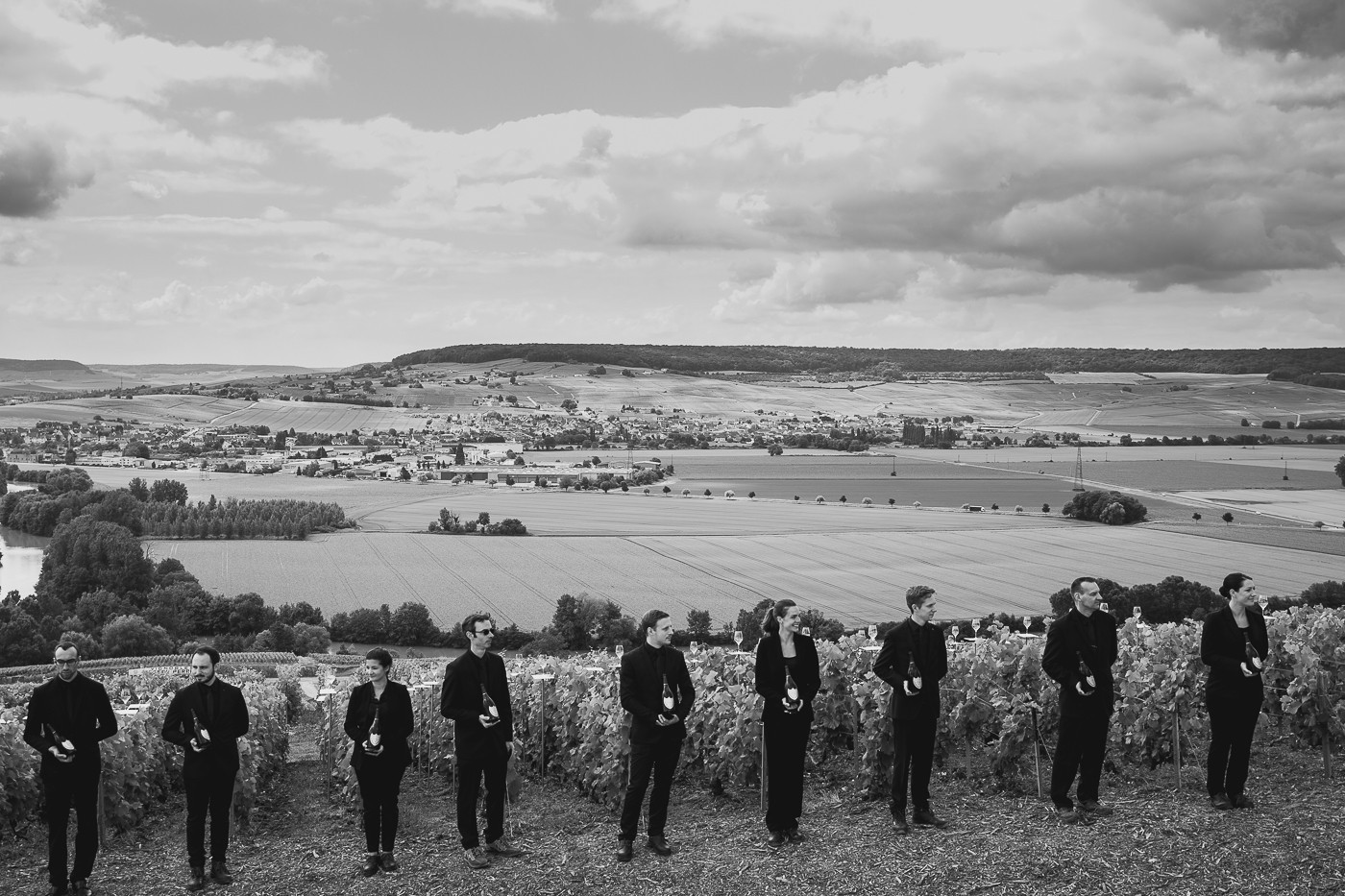
“During Dominique Foulon’s time [Geoffroy’s predecessor, who was chef de cave for 15 years with Dom Perignon] he played more by the rules, but I have been looser, more playful,” says Geoffroy. He pointed out that Dom Perignon himself had wanted to “revolutionalise the trajectory of champagne”.
“This means from the beginning, the DNA of Dom Perignon was to look more to the future than to the past,” says Geoffroy, adding that although the brand is traditional in the sense of its history, the champagne is always evolving.
Science is used along the process to better control the fermentations, the ageing, the level of oxidation. Instinct is used in the creation of blends by using our nose and palate, our memory and intuition