Why true beluga caviar is about to make a comeback in the US

- The caviar market is expected to be worth US$500 million by 2023, roughly 5.7 per cent growth since 2018, Orbis Research, says. China has 54 per cent of the world’s commercial farms
Caviar has, historically, been a luxury ingredient. Now it’s garnishing everything from potatoes to waffles and doughnuts. But there’s one kind that US consumers haven’t been able to get.
True beluga caviar – the roe from a beluga sturgeon – has been illegal in America since 2005, when the US Fish and Wildlife Service (FWS) banned the import of all beluga products from the Caspian Sea.
There’s one little-known exception. In 2016, Bascom, Florida-based Sturgeon Aquafarms was granted the first exemption by the FWS for the commercial sale of beluga. Owners Mark Zaslavsky and Mark Gelman had to meet several conditions, including not relying on stock from the Caspian Sea and helping to restore wild beluga. It’s taken the company three years, but it says it’s finally ready to bring the product to market.
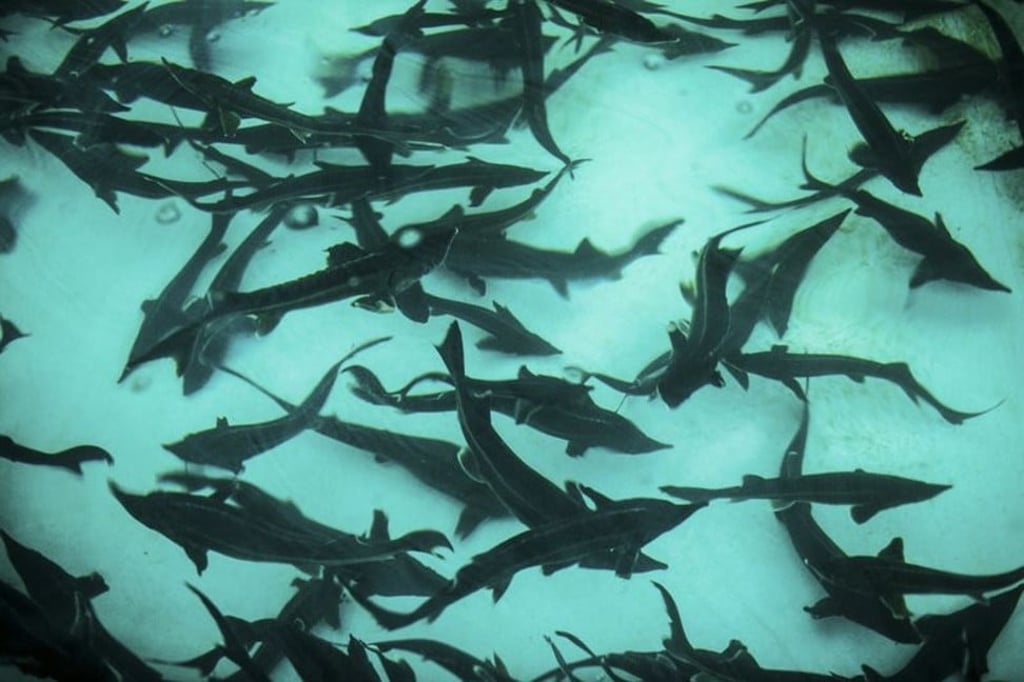
Caviar is in the midst of a worldwide boom. The market is expected to be worth US$500 million by 2023, growth of roughly 5.7 per cent since 2018, according to Orbis Research. Much of that comes from China, which has 54 per cent of the world’s commercial farms. Though significantly smaller – America has only 16 sturgeon farms – the US is forecast to become the third-largest legal caviar producer in 2020, overtaking France and Italy, according to the World Sturgeon Conservation Society.
Primarily found in the Caspian Sea, beluga sturgeon thrives in the depths of cold water. But Russian-born Zaslavsky believed he could successfully farm the fish even in muggy Florida. In 2003, he began hand-carrying baby beluga sturgeon, each weighing 3kg to 10kg (7 pounds to 22 pounds) on flights from Russia to Florida. “It was an adventure,” Zaslavsky said. “We became experienced shippers of live fish.” Around 70 specimens were successfully imported before the 2005 ban took effect.
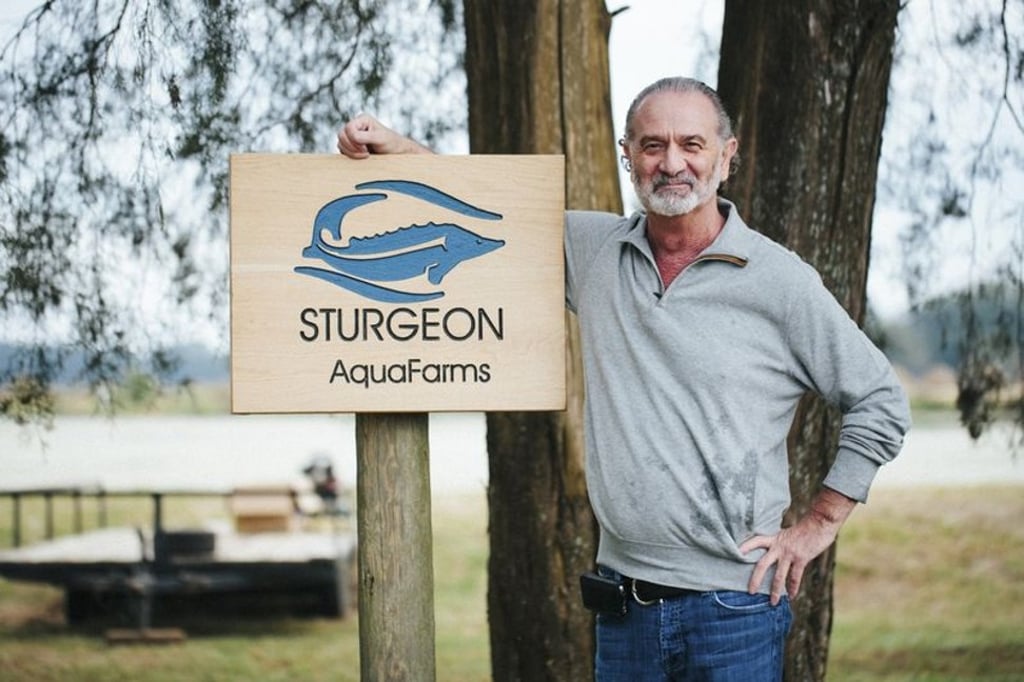
Operating an aquafarm is both difficult and expensive; Zaslavsky and his partners have spent more than US$15 million so far. Sturgeon Aquafarms has over 30,000 fish swimming in more than 100 tanks. Just feeding them costs up to US$40,000 a month. In 2018, the first year the company could legally harvest and sell its beluga caviar, Hurricane Michael hit the Florida Panhandle. The farm lost power, and the spawning females reabsorbed their eggs. The product’s debut was delayed for a year.
Only one other farm in the country raises beluga: Evans Fish Farm, in Pierson, Florida. The small, family-owned operation produces species of caviar through the Gold Caviar brand, but not beluga. It has not yet met FWS’s financial commitment to restore beluga habitat. Zaslavsky and Gelman, however, have FWS approval because they met all of the conditions.