Koreans living in Japan without nationality want unification
‘Chosen-seki’ say that despite daily inconveniences and discrimination, they will remain stateless unless there’s unification across between the two Koreas

By Park Ji-won
As related countries move quickly toward the June 12 summit between U.S. President Donald Trump and North Korean leader Kim Jong-un in Singapore with the aim of denuclearising the North and possibly declaring an end to the 1950-53 Korean War, there is one group that for decades has hoped to see a unified Korean Peninsula.
They are ethnic Koreans living in Japan, known as “Zainichi Koreans,” especially those who choose to live without a passport, hoping to see the two Koreas reunite. The word Zainichi refers to the ethnic Korean community that arrived in Japan during the 1910-45 occupation of Korea and stayed on after Japan’s defeat in World War II. As years passed and bilateral ties between Seoul and Tokyo were forged, the Zainichi largely split into two groups depending on their historical backgrounds: permanent residents with South Korean nationality and a South Korean passport, and “Chosen-seki” (Korean domicile) or those who have chosen not to have nationality. The latter can travel overseas by being issued temporary travel documents. Chosen-seki can be understood as being stateless or having an alternative nationality.
Chosen is a way to read the Japanese romanisation of Joseon. It was the name of the last existing kingdom of Korea which lasted five centuries until the beginning of the 1900s. But in 1947, Japan ordered the Korean people in Japan to list their nationality as “Chosen.”
Despite discrimination, Chosen-seki Zainichi in Japan said they stand solidly by their status.
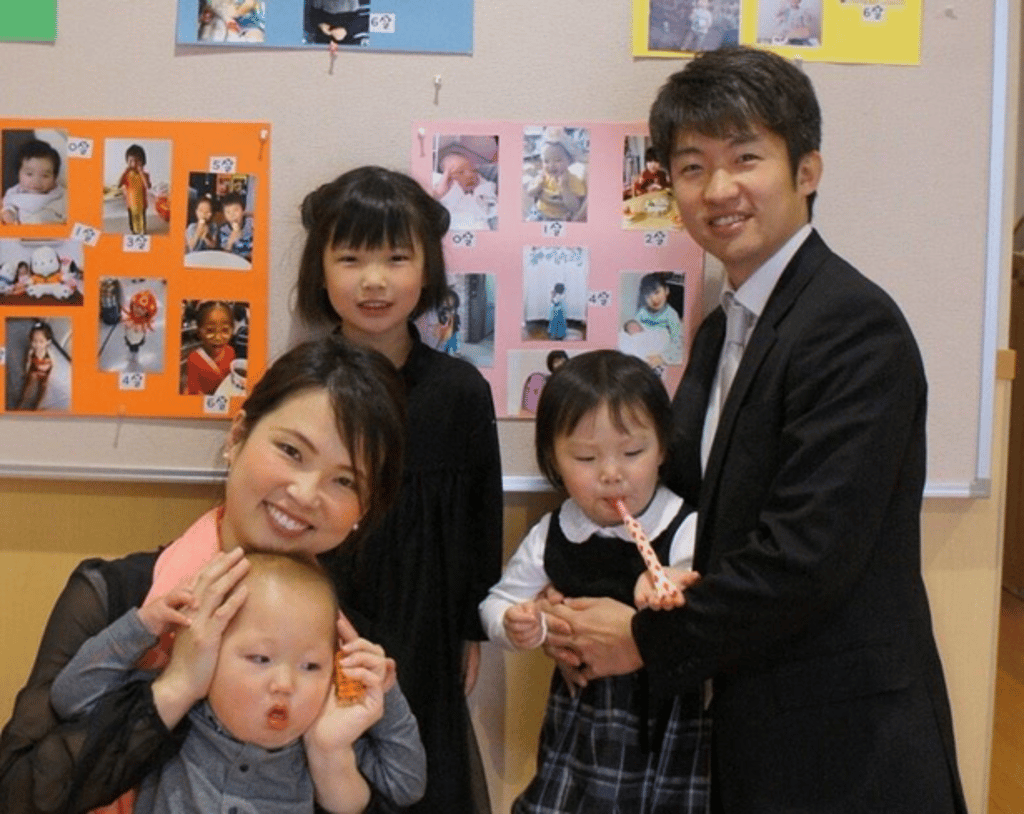
“I won’t change my stateless status if there is no big change in the current situation. If I decide to change it, it might only be for my children’s future,” said Ryang Sun-hui, 34, a fourth-generation ethnic Korean with Chosen-seki status, during a phone interview with The Korea Times. Ryang is married to a man of the same status, and their three children also have the same status.