-
Advertisement
The Philippines
AsiaSoutheast Asia

Seoul’s Filipino carer programme faces uncertainty amid high costs, private sector takeover

While the programme aims to provide affordable childcare, concerns over potential cost increases and carer wages have emerged, sparking debate about its future

Reading Time:2 minutes
Why you can trust SCMP
2
A group of 100 Filipino women, who will participate in a pilot government project as domestic helpers arrives at Incheon International Airport in August 2024. Photo: EPA-EFE/YONHAP
The Korea Times
The Seoul Metropolitan Government and the Ministry of Employment and Labour will hand over the operation of the Filipino carer programme to the private sector starting in March, following the completion of a six-month pilot phase that received mixed reviews.
Launched last year, the pilot programme was initially expected to expand nationwide in the first half of this year to alleviate child care burdens in light of South Korea’s declining birth rate by providing foreign caregiving workers to local households. However, lukewarm responses from local governments outside Seoul, coupled with concerns over high costs, had put those plans on hold.

While the trial period is set to end this month, a city official confirmed that ongoing services for taking part households will continue.

Advertisement

As the labour ministry has not yet decided whether to expand the initiative into a full-scale programme, private operators are expected to take over the service for the time being.

Meanwhile, concerns are growing over potential higher fees as the Filipino carer programme transitions to private management.
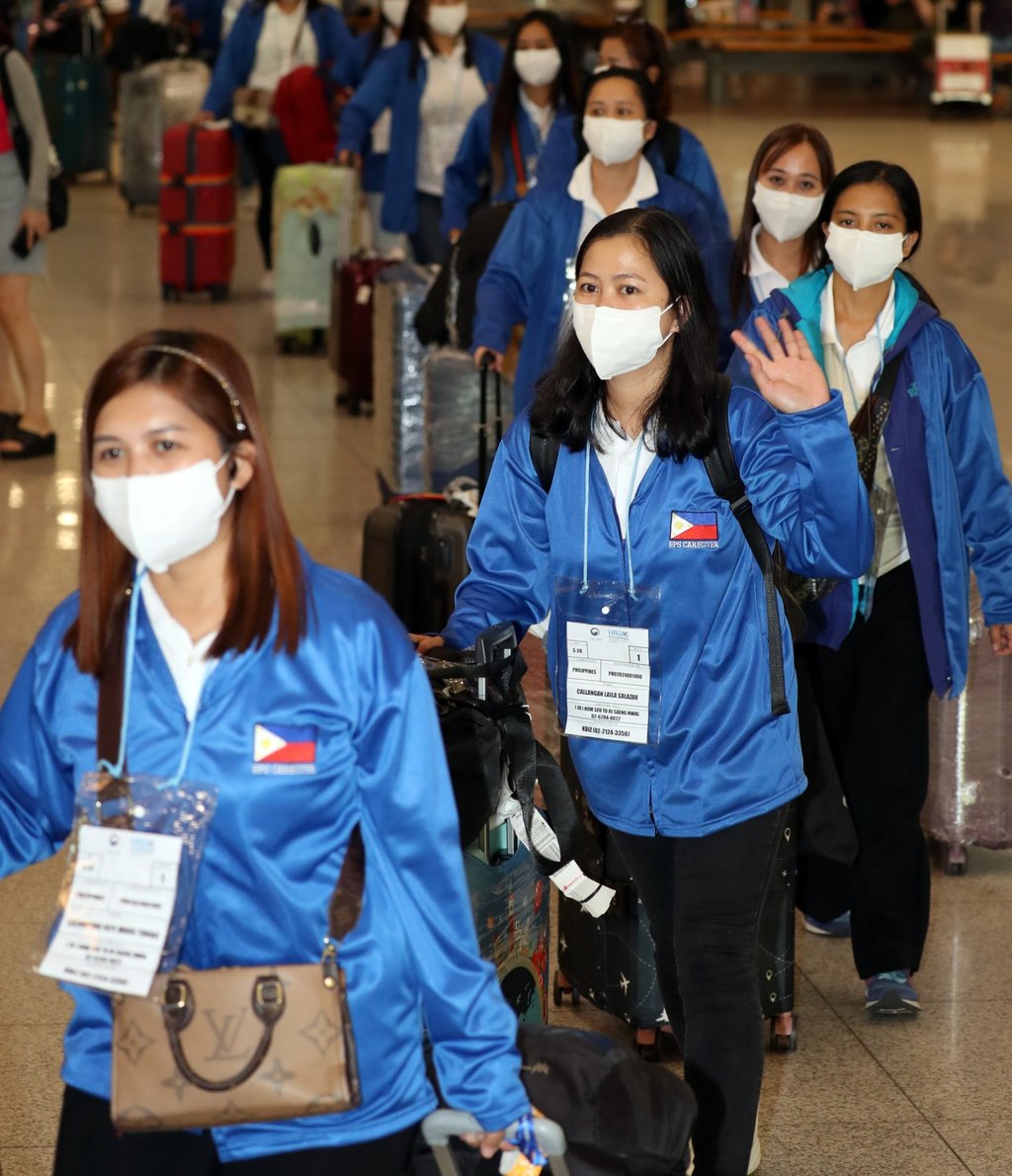
Seoul’s Filipino carer programme, launched to address South Korea’s declining birth rate, faces uncertainty as it transitions to private management. Photo: EPA-EFE/YONHAP

Recently, companies managing Filipino carers notified users of a planned hourly rate hike from 13,940 won to 16,900 won (US$9.61 to US$11.63) starting on March 1. However, they later withdrew the decision after facing backlash. The labour ministry also clarified that the final service fee has yet to be determined.

Advertisement
Select Voice
Select Speed
1.00x