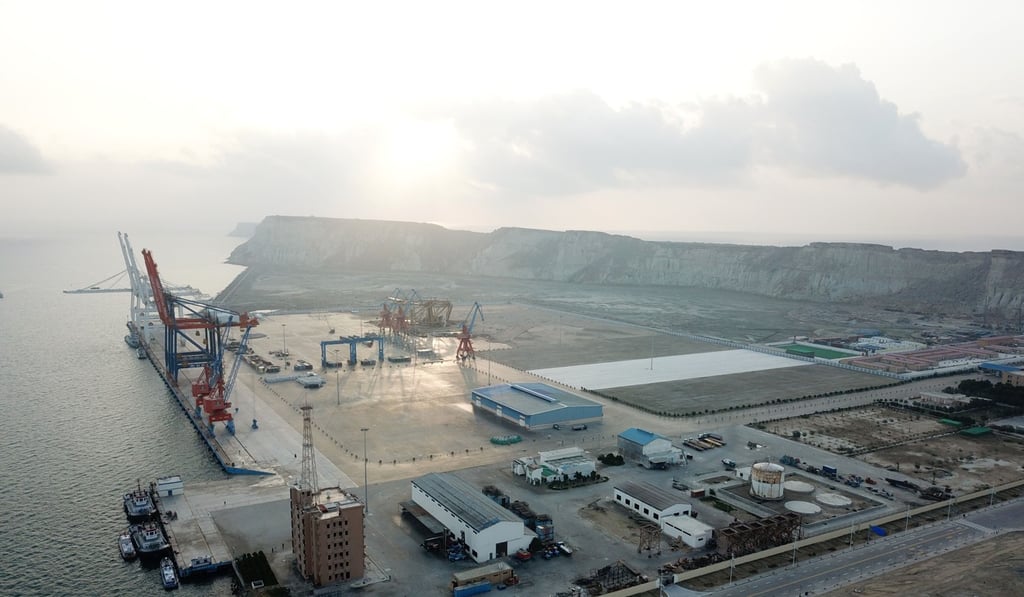
Will China listen to EU on infrastructure plan’s perceived pitfalls in free trade and competition?
Mathieu Duchatel writes that as China reviews its EU policy under a new foreign policy team, it remains to be seen to what extent European belt and road concerns will be taken seriously

China is awakening to widespread scepticism in Europe regarding the Belt and Road Initiative. Last week, it was leaked that 27 EU ambassadors to Beijing (except for the ambassador from Hungary, a country that behaves within the EU like Cambodia within the Association of Southeast Asian Nations) co-signed an internal report criticising the belt and road as creating an unfair global trade environment by giving Chinese public conglomerates an advantage at competitors’ expense.
For observers of European debates, this did not come as a surprise. The reluctance to be engaged on Chinese terms under the belt and road has slowly been building up. While today the EU’s China policy centres on seeking a rebalancing of trade and investment ties, the belt and road goes in exactly the opposite direction, aggravating existing imbalances.
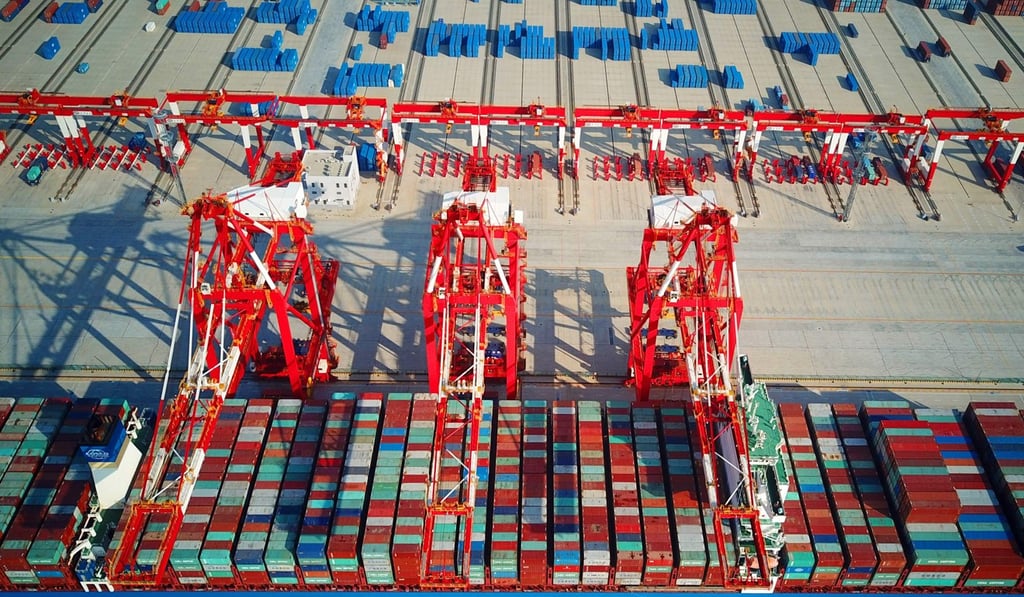
For Europe, what matters most is the Maritime Silk Road, and especially China’s global investment in the maritime domain. Media attention tends to focus on trains because new routes from Chinese to European cities excite the imagination, but shipping containers by train only works because of Chinese subsidies.
EU envoys hit out at China’s ‘unfair’ Belt and Road plans
Few are aware that China’s “blue economy” represents 10 per cent of its GDP and would rank 15th in the world by GDP if it were a country. The Maritime Silk Road is about the next phase of developing China’s use of the sea and its resources for economic growth. The endeavour has serious consequences for Europe, and on balance, creates more competition than options for cooperation. As China’s motto for the future of its blue economy is innovation and global leadership, complementarity with advanced European economies will continue to decrease.