Why more women are choosing caesareans in China despite the health risks
- Attack on doctors in Beijing triggers debate over rising use of the procedure
- China’s caesarean rate has gone from 3.7 per cent in 1988 to 34.9 per cent in 2014

Delivering a baby surgically instead of via natural childbirth is not new, but a Chinese man’s attack on doctors who refused to give his wife a caesarean has abruptly – and violently – put the procedure’s growing use in China in the spotlight.
The day after the attack, doctors relented and gave the wife, surnamed Sun, a caesarean, delivering a baby girl. Police put Zheng under criminal detention after allowing him to take care of Sun and the newborn.
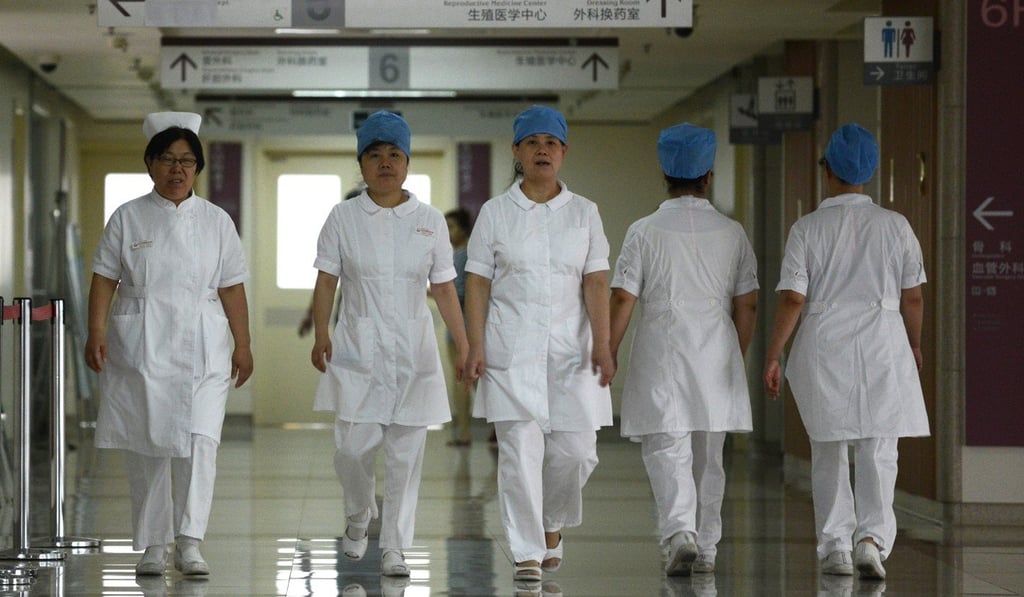
The incident dramatises the growing acceptance of caesareans as an option among expectant parents, even though doctors and scientists warn that undergoing the procedure can increase the risks of infection and death from pregnancy or childbirth-related complications.
According to a study published in The Lancet medical journal, the caesarean rate in China has gone from 3.7 per cent in 1988 to 34.9 per cent in 2014. That means at the time of the study, one in three babies in China were delivered by cutting the mother’s abdomen and uterus.