The double threat to China’s cotton industry: warmer weather and the hungry mirid bug
Over two decades, as farmers of China’s largest cash crop have used a strain of cotton that’s resistant to bollworms, another, more voracious pest has been able to thrive
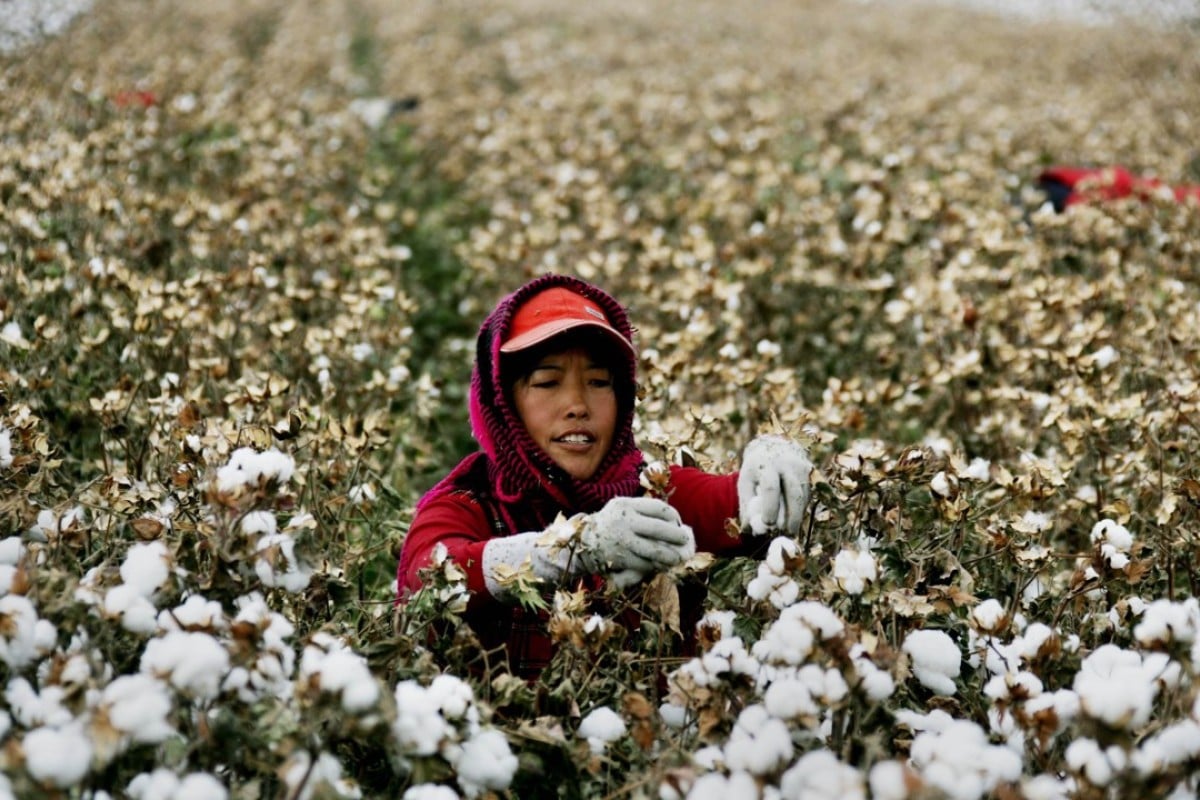
Warmer weather attributable to climate change is posing a threat to China’s massive cotton industry – by allowing a little bug to thrive, an international group of scientists has found.
In a study published in the Proceedings of the National Academy of Sciences in the United States on Monday, researchers found that higher early-summer temperatures had helped boost the population of the mirid bug – a major pest to the cotton plant – in China.
And not only does the bug pose a greater threat to other plants than the other cotton-eating insects it is supplanting, the surprise growth of its population may add a new complicating factor to the ongoing US-China trade war.
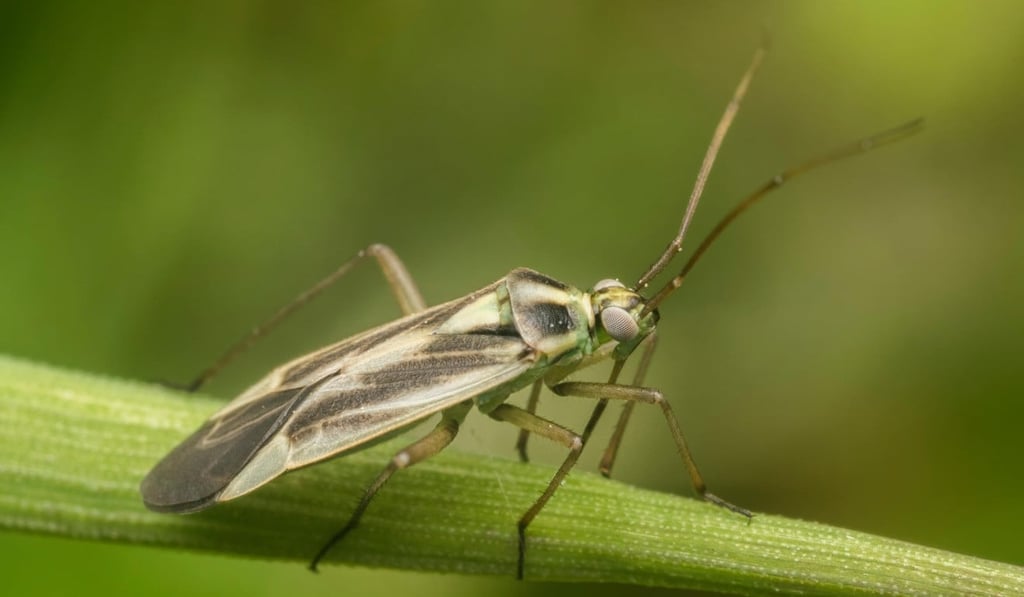
The observations on the mirid bug came as part of a massive study that was undertaken to assess the long-term impact of different factors – among them, landscape complexity, insecticides and weather – on pest control in the Chinese cotton industry.
The study, financed by British and Chinese grants, examined three major cotton pests for 51 counties in China from 1991 to 2015, the largest database collected so far. It found that the number of mirid bugs in those areas was generally higher in years with higher May temperatures.