After fall of one-child policy, Malaysian fertility clinics target Chinese couples
A ‘health care travel council’ promotes Malaysia’s IVF success rate and offers to help clients throughout the treatment process

Malaysia, aiming to become a fertility hub in Asia, has stepped up efforts to target the mainland China market, hoping to lure more couples seeking to conceive.
But it is facing competition from other countries also looking to China, where an increasing number of couples need to take advantage of reproductive technology to have babies, especially after the country’s rigid one-child policy was abolished about three years ago.
Malaysia must also address the mainland public’s perception that it is not generally advanced, industry players said.
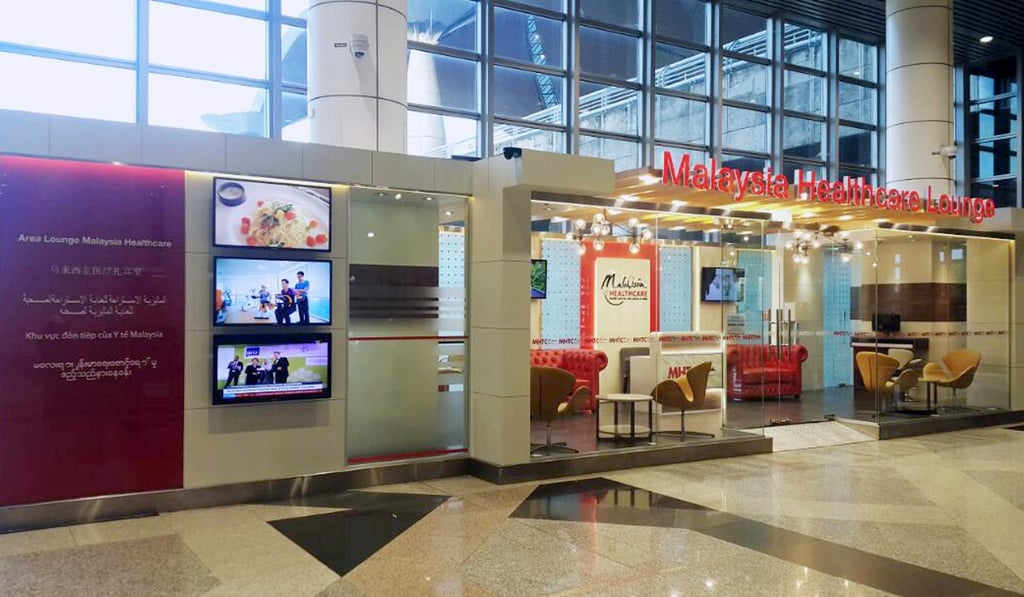
“It’s natural for us to see China as our potential market, especially after the removal of the one-child policy,” said Sherene Azli, chief executive officer of the Malaysia Healthcare Travel Council (MHTC).
She said it was estimated that about 90 million couples in China were looking to have a second child, and that 40 million of the women were older than 40 and would consider fertility treatment.
“One thing about Malaysia we are proud of is that the in vitro fertilisation (IVF) success rate is among the highest in the world,” Sherene said. “The world’s average success rate is 50 per cent, but Malaysia’s success rate is about 65 per cent on average.”