Hong Kong researchers create tomatoes with anti-ageing properties
Team from HKU grow fruit with higher levels of antioxidants than usual

Researchers from the University of Hong Kong have grown tomatoes that carry more anti-ageing antioxidants than usual in a breakthrough for genetic engineering.
The research team led by Professor Chye Mee-len from the university’s School of Biological Sciences identified a new strategy to simultaneously enhance health-promoting compounds vitamin E, provitamin A, lycopene, as well as phytosterols and squalene, in tomatoes, becoming the first in the world to do so.
Her team members, HKU associate professor Wang Mingfu and postdoctoral fellow Liao Pan, modified a gene isolated from Indian mustard and introduced it into ordinary tomatoes.
Hong Kong must promote research and innovation through incentives, says PwC
The genetically modified tomatoes contained 494 per cent more vitamin E than ordinary tomatoes. Provitamin A and lycopene content was also 169 per cent and 111 per cent higher, respectively. These substances are all anti-ageing antioxidants.
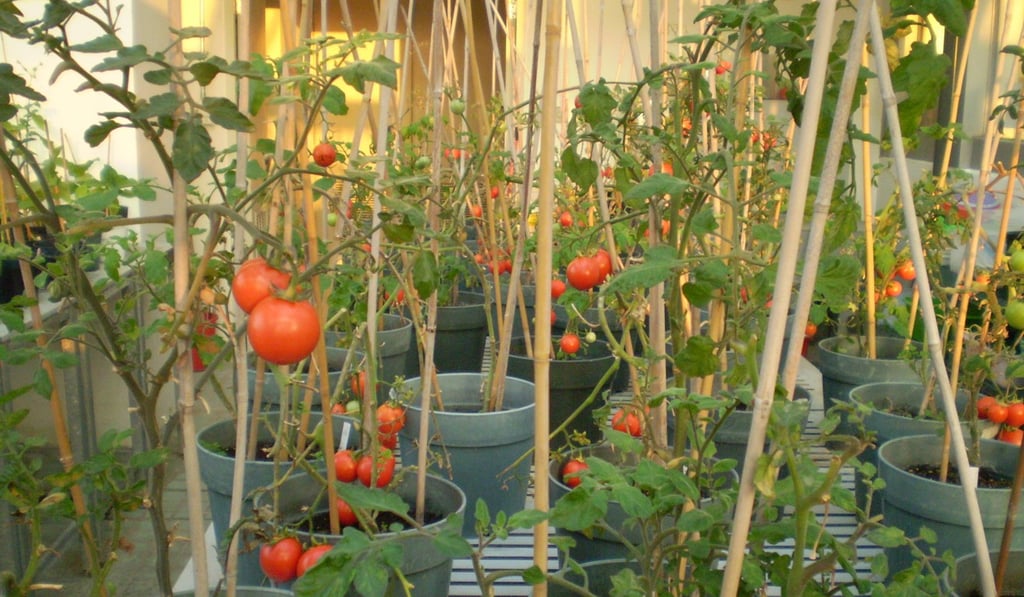
Professor Chye said: “Our transgenic tomatoes can be processed to give tomato juice and tomato paste that are enriched with many healthy components.”
And she said the extracts with enriched phytosterols, vitamin E and carotenoids could be used in the production of anti-ageing cream, sun-care lotion or face masks. These compounds have excellent anti-inflammatory and antioxidant activity, she said.
Her team planned to further the research by testing these tomatoes on animals to examine the health benefits in detail.