
Blowing WaterThe best Christmas present for loved ones with mental illnesses: your time and empathy
- As others celebrate, sufferers may only be reminded of how lonely they are, and feel they have little to offer
- Studies show most patients hide their conditions to avoid stigma and negative reactions

At this time of the year, when festive music and holiday cheer fill the air, understandably most people tend to fixate on their Christmas shopping and finding the perfect place to enjoy a feast with friends and family.
But amid the holiday fun and laughter, there are some around us who may feel isolated, lonely, or even depressed.
Sadly, Christmas can be a challenging time for mental health sufferers with feelings of anxiety, depression, and possibly thoughts about suicide that are often exacerbated in this period of supposed merriment.
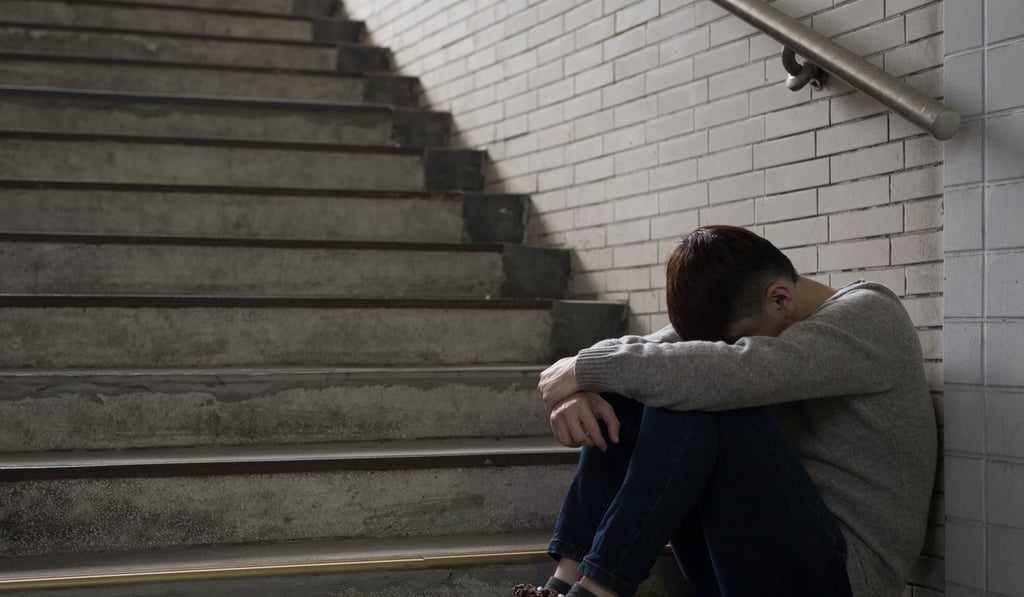
There is no specific data in relation to an increase in suicides during the festive period, but suicidal thoughts can be provoked when one doesn’t feel worthy, loved, or if they are in a constant state of anxiety about fitting in, being socially accepted or worried about the future, according to Minal Mahtani, CEO and founder of OCD and Anxiety Support Hong Kong.
According to a 2011 survey by the Equal Opportunities Commission, more than half of those interviewed said they did not want people with mental illnesses living in their neighbourhood. Another 2009 study on the experiences of mental health sufferers in Hong Kong found that 64 per cent of patients felt the need to hide their condition to protect themselves against stigmatically-charged reactions.