Judges question the need to allow Hongkongers to view the final voters’ register to spot or prevent vote rigging
- Judges hear an appeal by Junior Police Officers’ Association which wants a ban on release of electors’ details to prevent doxxing
- But Senior Counsel Raymond Leung for election authorities argues the register helps promote a fair and competitive election

Judges have questioned the necessity to allow the public to view the final voters’ register during an appeal hearing by Hong Kong’s largest police group, which wants a ban on the release of electors’ details to prevent the doxxing of officers and their children.
The appeal hearing was arranged after the Junior Police Officers’ Association filed an urgent application for an interim injunction on the release of the electors’ details. The police group asked city judges to shield the personal information of force members and their families in the final voters’ registry ahead of the district council elections on November 24, which was rejected by the Court of First Instance last Wednesday.
The lower court, however, issued a temporary ban on inspecting the register pending the determination of the appeal.
At the hearing in the Court of Appeal, Abraham Chan Lok-shung SC, on behalf of the police group, urged justices Jeremy Poon Shiu-chor and Johnson Lam Man-hon to prioritise the safety of the officers’ children, who may be subject to harassment by a section of the people attacking the force, over maintaining an open election process.
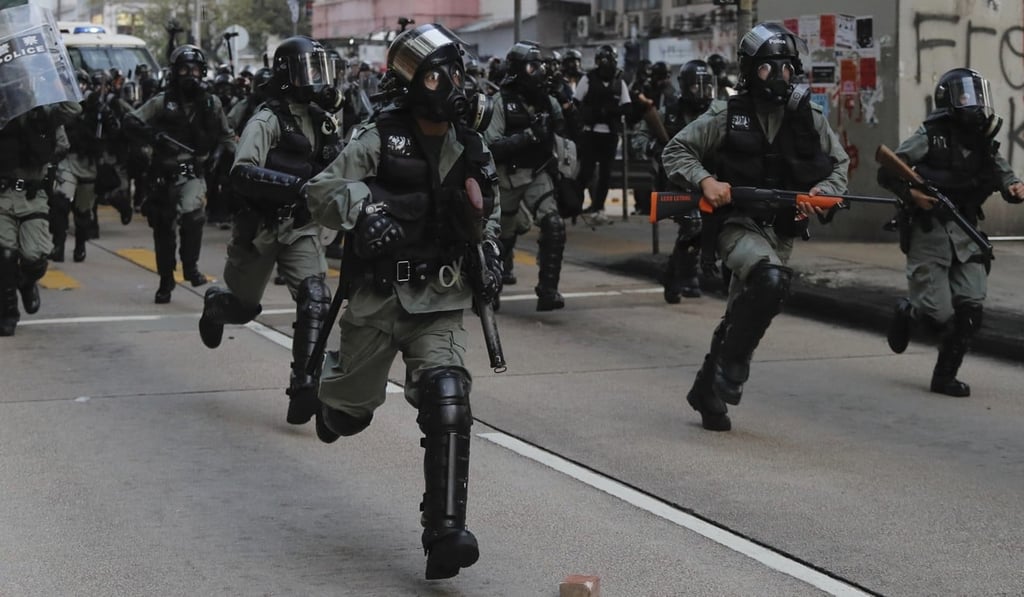
He said the risk arose from the prevalence of doxxing – the release of personal data online to subject a person to possible harassment and malicious attacks – which put police officers and their families in a highly vulnerable position amid the anti-government protests if their names and home addresses were made available for an open search.