Advertisement
Hong Kong courts
Hong KongLaw and Crime

Police not only Hong Kong residents with privacy issues at stake over voter registry publication, judges suggest

  • Court of Appeal judges cite domestic violence victims and debtors as categories of residents who might fear to have their home address published
  • A lower court ruled last month that the level of privacy attached to addresses was ‘not high’

Reading Time:3 minutes
Why you can trust SCMP
Members of the Junior Police Officers’ Association are pushing to overturn an April ruling that the level of privacy attached to a person’s residential address was ‘not high’. Photo: Edmond So
Brian Wong
Public access to personal voter information might compromise the privacy and voting rights not only of police officers doxxed by anti-government protesters, but other vulnerable members of society, two appeal court judges have said.

The judges’ thoughts emerged during a Court of Appeal hearing on Tuesday brought by the Junior Police Officers’ Association (JPOA), which is seeking to overturn a lower-court ruling last month which refused to ban the publication of the voters’ registry.
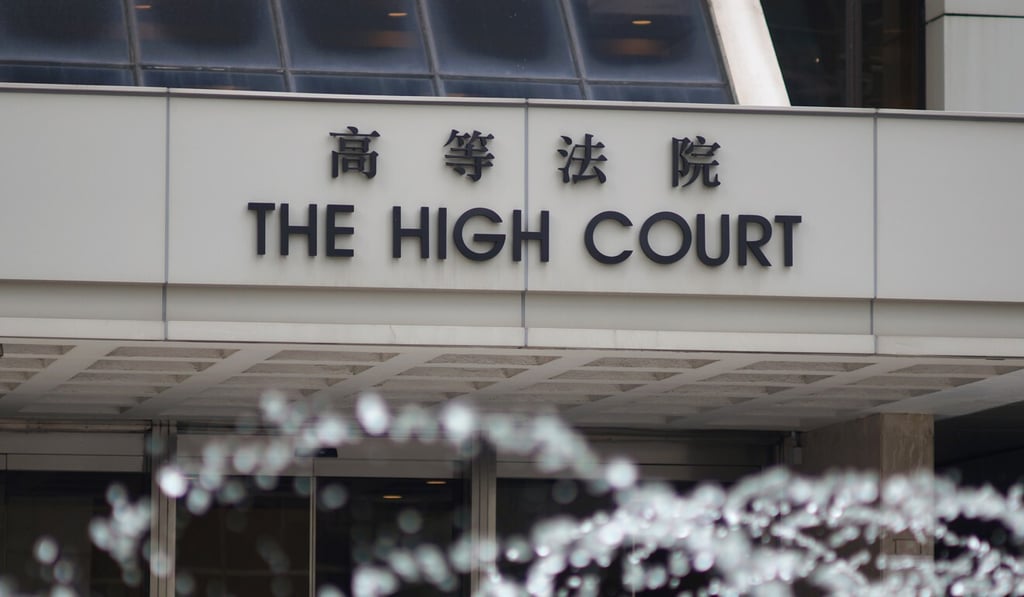
At Tuesday’s hearing, Abraham Chan Lok-shung SC, for the association, argued the Court of First Instance had underestimated the consequences of having the names and home addresses of voters listed in the registry, particularly in light of the doxxing of officers since last year’s social unrest.
Advertisement
Judges at Hong Kong’s Court of Appeal on Tuesday suggested more than police had reason to fear seeing their home addressed published in a public voter registry. Photo: Fung Chang

The appeal court, presided over by justices Jeremy Poon Shiu-chor, Johnson Lam Man-hon and Aarif Barma, said concerns over the law requiring election authorities to publish the registry might not be shared exclusively by members of the 30,000-strong force.

Advertisement

Lam, the court’s vice-president, said relevant electoral laws appeared to be a “statutory incursion” into voters’ privacy rights, as they were required to waive their control over a piece of personal information that could be highly sensitive for some.

Advertisement
Select Voice
Choose your listening speed
Get through articles 2x faster
1.25x
250 WPM
Slow
Average
Fast
1.25x