ExplainerNational security law: what you need to know about Hong Kong’s first trial under Beijing-imposed legislation
- The first-ever trial involving the Beijing-imposed law has ended with a 24-year-old sentenced to nine years’ jail for terrorism and secession
- The Post recaps what the case was about, how it went and whether the contours of the sweeping legislation have become any clearer one year on

On Friday, the 24-year-old motorcyclist at the centre of the case was sentenced to nine years in jail days after three High Court judges convicted him on terrorism and secession charges. There may still be appeals ahead, but the trial has set some important precedents.
Below, the Post recaps what the case was about, how it went and, more importantly, whether the contours of the sweeping law – imposed on Hong Kong last June to target acts of secession, subversion, terrorism and collusion with foreign forces – have become any clearer a year on.
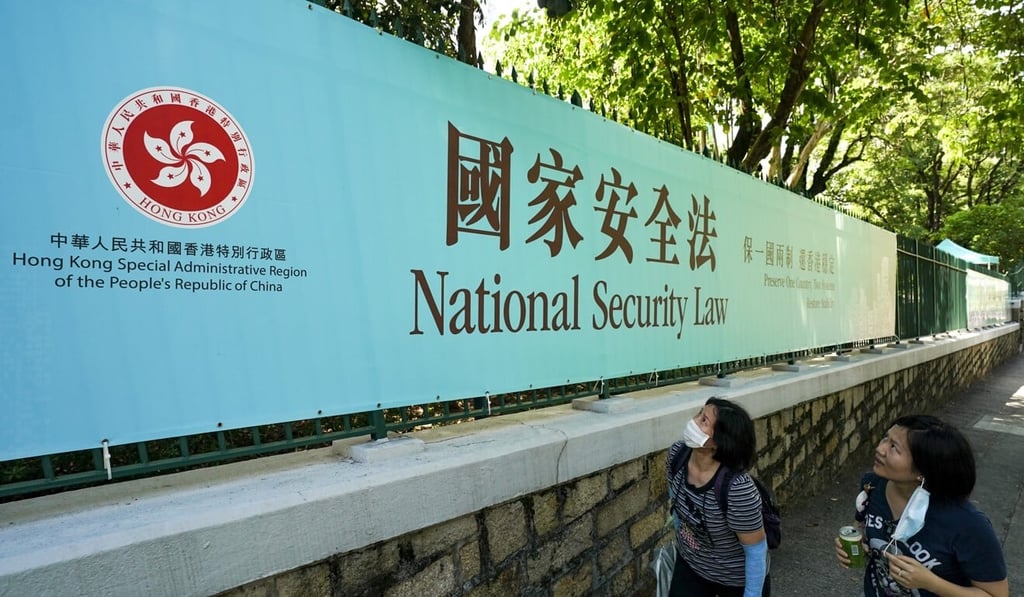
What was the trial about?
Hong Kong’s first security law trial centred on Leon Tong Ying-kit, a 24-year-old former restaurant worker who collided with three police officers while driving a motorcycle fitted with a flag calling for the city’s “liberation” on July 1, 2020 – the day after the legislation took effect. He was arrested at the scene and subsequently charged with terrorism and incitement to commit secession.