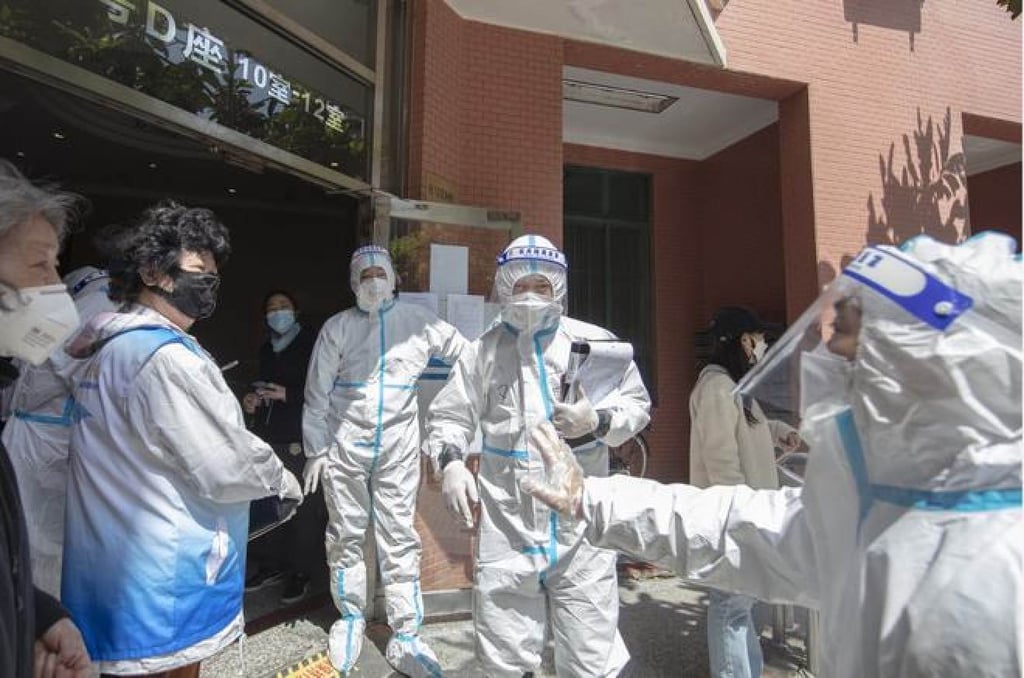
Shanghai Covid lockdown: Chinese community officials feel strain of sleepless nights, mounting workload
- Community officials organise Covid-19 tests, distribute necessities and coordinate transport of coronavirus patients and close contacts to isolation
- Many are feeling the strain of China’s worsening coronavirus outbreak

The resignation letter, released on the WeChat last week, was written by Ma Shengye, the Communist Party’s secretary in charge of a residential compound in the city’s Huangpu District and explained he was resigning due to his frustration from his work in the anti-Covid-19 campaign.
The recorded conversation from last week was between a resident of Hong Kong Beauty Garden, a compound in the Hongkou District, and their community’s party secretary Liu Miao. The resident, who is a nurse, applied to Liu for permission to leave her residential building to return to her hospital job. Liu, who was aware it was against government’s rules after a Covid-19 patient had been found in the building, approved her request anyway and took on the risk of being punished.
“I know there is a great shortage of manpower in hospitals. I understand that. I will also collapse,” Liu said, sounding tearful in the recording.
“Anyway, I don’t care [about the rule]. Since you are a medical worker, I approve for you to go to the frontline,” said Liu. “But you must promise you will only go to the hospital, no other places at all.”
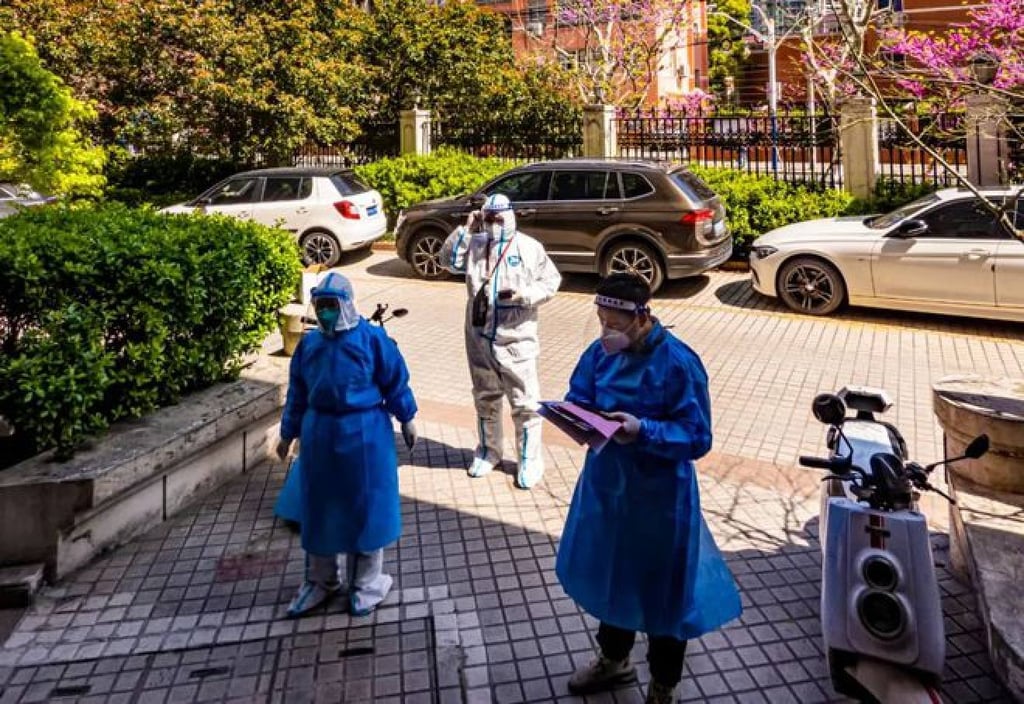
There are about 50,000 community affairs officials based in more than 10,000 residential blocks across Shanghai, the Xinmin Evening News reports. They work in each community’s residents committee and are supposed to be elected by the residents. But in practice, a high percentage of community officials are appointed by the authorities.
During the coronavirus outbreak, community officials as well as resident volunteers have been busy organising nucleic acid tests and antigen tests, distributing daily necessities, compiling statistics and coordinating the transport of coronavirus patients and close contacts to temporary accommodation centres, known as fangcang in China.