Why Chinese call romantic jealousy ‘eat vinegar’; what is its Tang dynasty minister link
During wedding ritual in Hubei, groom’s mum sports two small vinegar jars hanging from neck; symbolises her son now loves another woman

Vinegar, a common condiment, holds a unique significance in Chinese culture, particularly concerning romantic relationships.
In Chinese, the term chi cu, literally translated as “eat vinegar,” refers to jealousy.
This phrase is primarily used to describe the feelings of jealousy or unhappiness that arise when someone discovers their partner behaving intimately with another individual.
It is said to originate from an anecdote from the Tang dynasty (618-907). Emperor Taizong, aiming to win the heart of his capable minister Fang Xuanling, offered several beautiful young ladies for Fang to choose from as concubines.
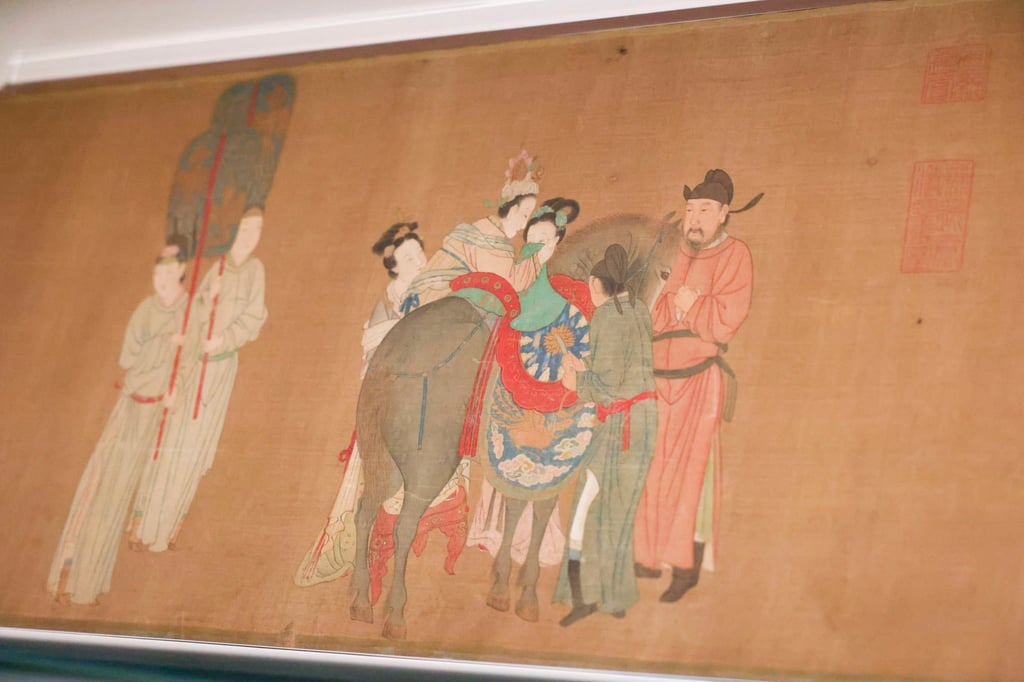
However, Fang declined the emperor’s generous offer due to his wife’s strong opposition.