Video shows Chinese woman in Japanese kimono refused entry to park as memories of Japan’s invasion of China linger
- The wearing of kimonos in China is controversial as many retain mixed feelings towards Japan because of its invasion of the country
- The woman’s friend said they were being morally kidnapped, with park management later saying there is no rule against wearing kimonos
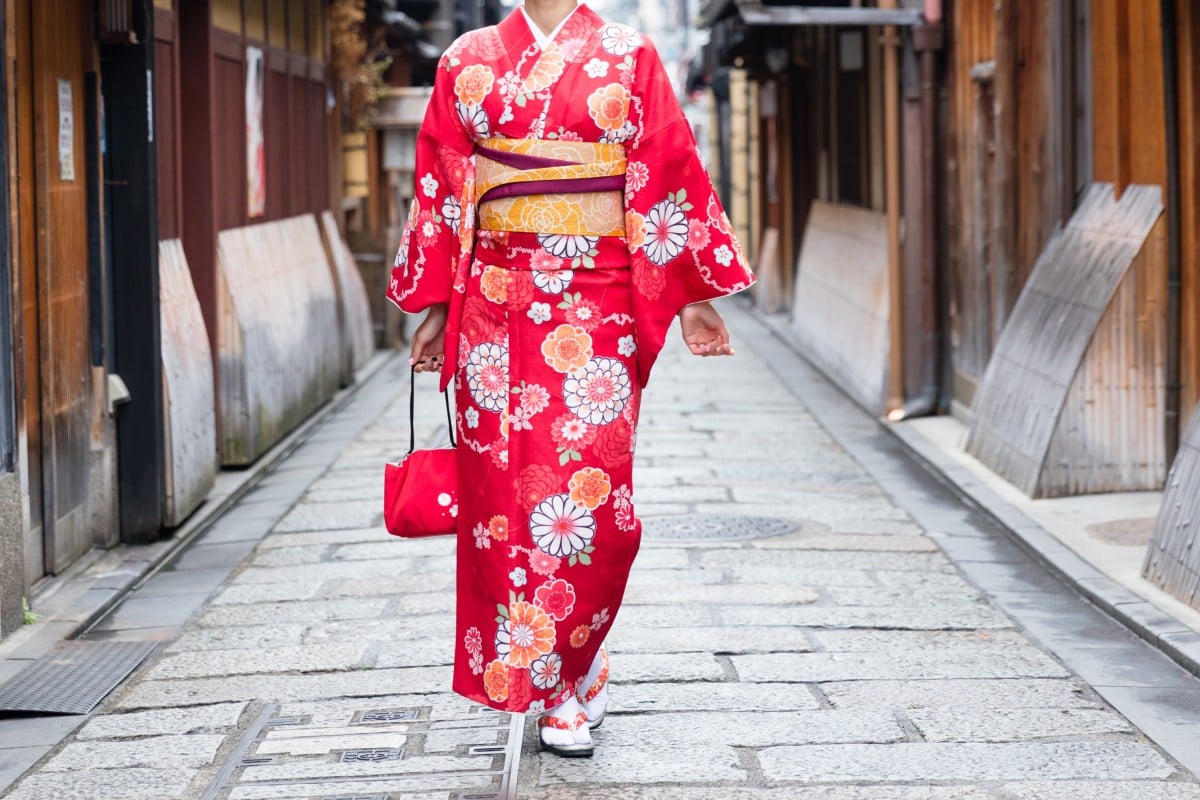
The case has reignited public debate over the wearing of kimonos in China where many retain mixed feelings towards Japan because of its invasion of the country during the 20th century, and in particular the Nanking massacre in 1937.
The incident occurred at Erhai Lake Ecological Footpath in Dali, Yunnan, southwestern China, over the weekend. When the woman and her three friends tried to enter the scenic spot, several security guards told her that she could not get in because of her clothes.

“Is it appropriate for you to dress like this? Have you forgotten the Nanking Massacre?” a security guard said in a video taken by another visitor, news portal Thecover.cn reported.
The Nanking Massacre, also known as the Rape of Nanking, was the large-scale massacre and rape of civilian Chinese, as well as looting and arson committed by Japanese soldiers for weeks after conquering the city of Nanjing, known as Nanking at the time, in December 1937. Estimates for the death toll range from 40,000 to 300,000, with Chinese authorities putting the toll at 300,000, while most historians agree on around 200,000 deaths.
The woman wearing the kimono said she just wanted to take photos in the tour zone.

06:21
Young people in China are reviving old clothing, and maybe nationalism too
“You are morally kidnapping us. Which law in China says people can not wear kimono?” asked one of her friends.