Advertisement

The View
3 Asia property market trends investors shouldn’t ignore
- While Asia’s property markets have no shortage of stories, some of the most consequential are also among the most overlooked
- The strength of Seoul’s office market, more affordable luxury residential property and Japanese investment in Australian property all merit greater attention
4-MIN READ4-MIN
Nicholas Spiro is a partner at Lauressa Advisory, a specialist London-based real estate and macroeconomic advisory firm.
Everyone loves a good story. In Asia’s real estate industry, there are plenty of themes and trends that attest to the appeal and resilience of the region’s residential and commercial sectors. Whether it is the huge potential for an institutionalised rental housing market in China or the record level of leasing activity in India’s retail property market last year, Asian real estate has a lot going for it.
Yet it has by no means been immune to the pandemic-induced shifts in the way people work, live and shop, not to mention the fallout from the dramatic rise in inflation and interest rates. Last year, commercial property investment transaction volumes in the Asia-Pacific region fell to their lowest level since 2012. The office sector suffered the most, with volumes down 45 per cent year on year, according to data from MSCI.
In the luxury residential sector, growth in capital values in the major cities in Asia slowed sharply in the second half of last year, with some cities such as Hong Kong suffering outright contractions, according to Savills. Meanwhile, prime rental values fell in Singapore and Tokyo in the final quarter of 2023, according to Knight Frank data.
Advertisement
However, it is the underappreciated, often overlooked trends that are more revealing. One of the most important is the remarkable strength of Seoul’s office market. At a time when the office sector is reeling from the shift to hybrid working, especially in the US, the Seoul market is going from strength to strength.
Even within Asia, where working from home is less prevalent, Seoul is the stand-out performer. According to CBRE, South Korea’s capital has the highest return-to-office ratio in the world. Around 50 per cent of respondents to an office occupier survey said 70 to 100 per cent of their staff were working in the office five days a week.
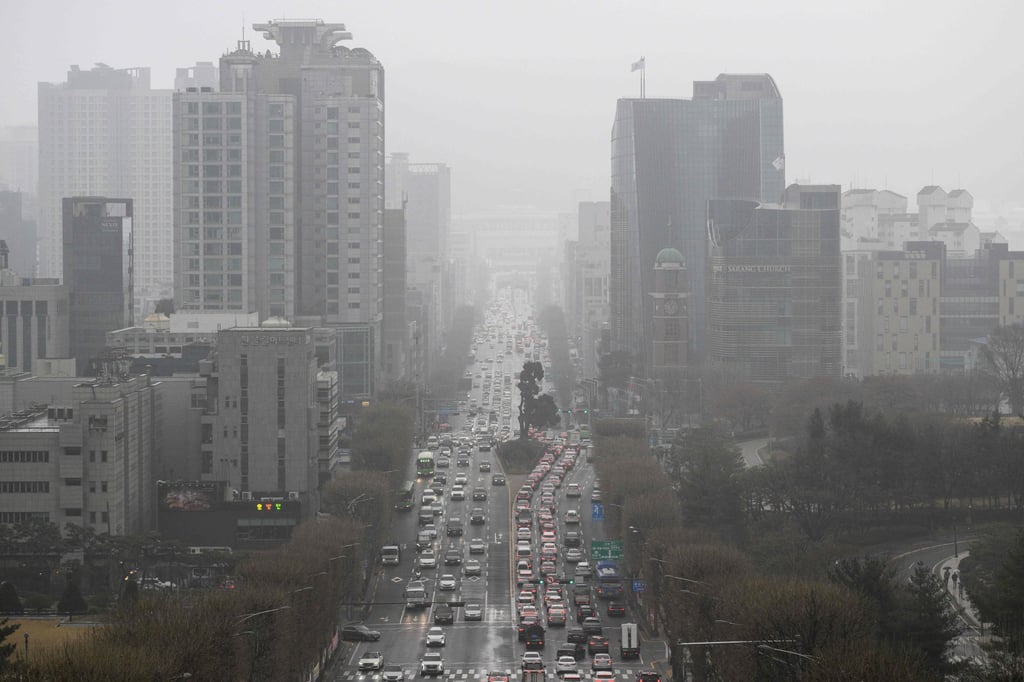
The fundamentals of Seoul’s office market are the envy of its peers. The vacancy rate is just 1.5 per cent, underpinned by tight supply and double-digit rental growth for grade A buildings for the past two years. Domestic investors – who account for the bulk of the institutional investor base in South Korea – favour offices over other sectors, an extraordinarily rare preference.
Advertisement
Select Voice
Select Speed
1.00x