Advertisement

The View
Asian property: A thin line separates strength from vulnerability
As Hong Kong, India and Japan show, sharp divergences within a market defy broad-brush generalisations
3-MIN READ3-MIN
Listen

Nicholas Spiro is a partner at Lauressa Advisory, a specialist London-based real estate and macroeconomic advisory firm.
Divergences within markets and sectors in Asia’s real estate industry are nothing new. Broad trends in leasing and investment activity in the countries across the region mask variations in the performance and outlook for different cities and sub-markets. They can also give rise to flawed or misleading narratives.
What is striking is that these divergences are increasingly apparent in countries that have been at opposite ends of the spectrum in terms of performance in recent years. Among the leading markets in the Asia-Pacific, Hong Kong and mainland China have been the weakest link. As recently as January, CBRE said the recovery in the city’s grade A office market was still not firmly established. In a report published on July 15, Colliers predicted average rents would be flat this year.
Even so, the Central business district is thriving, powered by the spectacular revival in Hong Kong’s capital markets. According to CBRE, rents for premium buildings in Central grew at a blistering pace of 18.5 per cent in annualised terms in the first half of this year as a “flight to quality” among occupiers became more entrenched.
In a sign of the extent to which the fortunes of the core of Hong Kong’s financial district have improved amid persistent declines in rents in non-core districts, Central has emerged as one of the fastest-growing sub-markets among the prime office districts in the main cities in the Asia-Pacific.
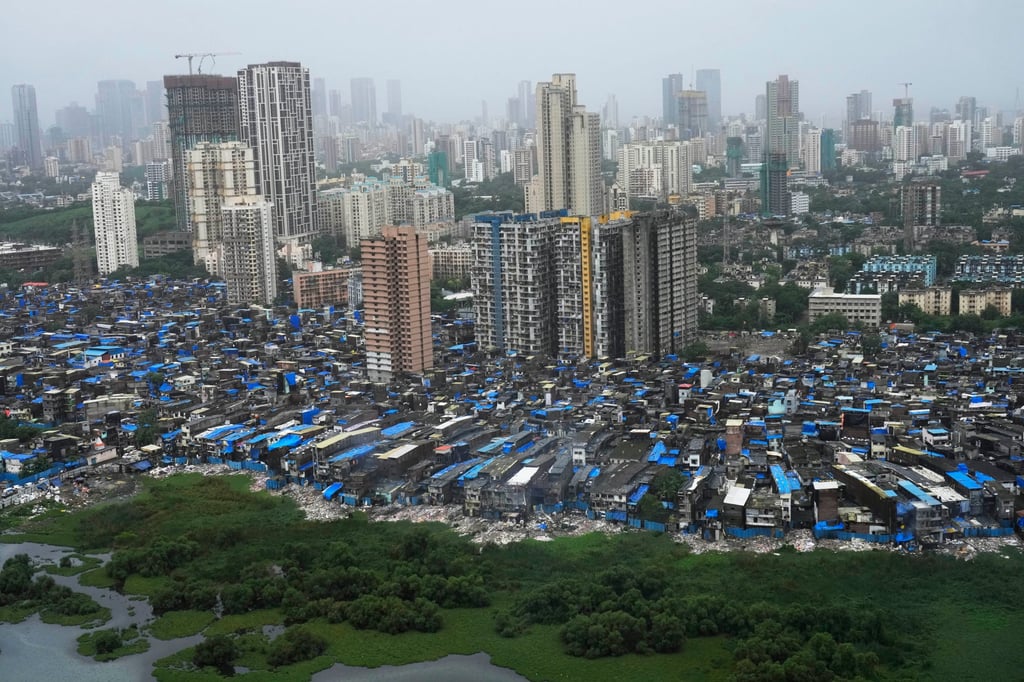
While Hong Kong has been one of the worst-performing markets in the past several years, India has gone from strength to strength. In 2024-25, institutional investment in the nation’s real estate market reached almost US$20 billion, up from US$4.2 billion in 2021. Moreover, in the first half of this year, office leasing volumes in India’s leading cities hit an all-time high, driven in part by the rapid expansion of the so-called global capability centres, or subsidiaries of multinational companies.
In the residential sector, new launches in the first quarter of this year reached a record 90,023 units in the top seven cities, according to JLL data. In the premium segment of the market – home values of more than 10 million rupees (US$103,600) – sales were up 40 per cent on an annualised basis, led by the 15-30 million rupee category.
Advertisement
Select Voice
Select Speed
1.00x