Advertisement

The View
Will Hong Kong, mainland property see a recovery in 2026? Don’t bet on it
Tech-led resilience is not a cure for all the ills driving the underperformance of mainland Chinese and Hong Kong real estate
3-MIN READ3-MIN
Listen

Nicholas Spiro is a partner at Lauressa Advisory, a specialist London-based real estate and macroeconomic advisory firm.
A cursory glance at Asia’s commercial real estate leasing and investment markets shows that mainland China and Hong Kong are the weakest links. With the exception of Ho Chi Minh City and Taipei, mainland China’s first-tier cities and Hong Kong are the only markets that will experience a decline in office rents this year, according to Knight Frank data.
In the investment market, while transaction volumes across the Asia-Pacific increased 7 per cent in the first three quarters of 2025, they fell 16 per cent in mainland China, according to MSCI. Although Hong Kong experienced a pickup in deal activity, it barely figured in the region’s top 10 cities for investment in 2026, according to the findings of a survey conducted by PwC and the Urban Land Institute.
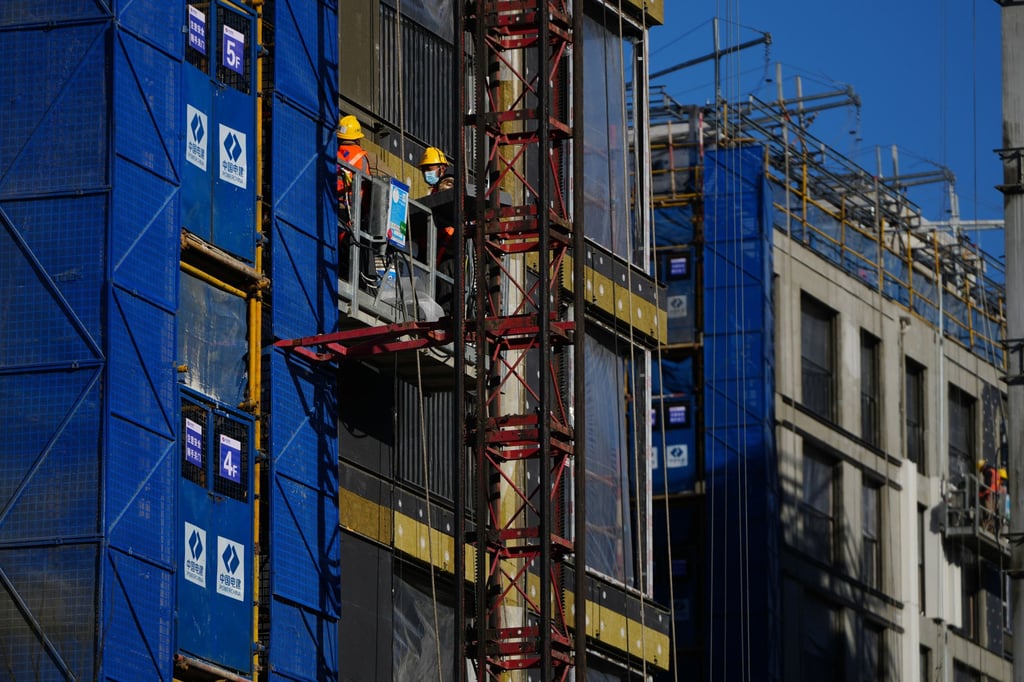
The crisis in mainland China’s housing market, meanwhile, is intensifying. State-backed China Vanke – one of the last big developers to have so far averted a default – is teetering on the brink of financial collapse. Fitch Ratings said “the effectiveness of property-specific measures has diminished”, contributing to “the reacceleration of the fall in secondary home prices in Tier 1 cities”.
Advertisement
Other signs of weakness include the record high vacancy rate in Hong Kong’s once-resilient industrial and logistics market and the persistent fall in prime shopping centre rents in mainland China’s first-tier cities.
However, green shoots and sources of resilience deserve more attention. The most obvious one is the rebound in Hong Kong’s housing market. Second-hand home prices rose for the sixth straight month in November. Rents hit a record high in September, while primary sales were forecast to reach around 20,000 units for the year as a whole, the second highest annual tally since 2004.
Advertisement
Even in the city’s retail sector – which continues to suffer from a “leakage of domestic consumption”, as JLL put it, amid the surge in outbound travel – signs of stabilisation have emerged. Retail sales in November rose 6.5 per cent in annualised terms, marking the third straight month of growth above 6 per cent, admittedly flattered by a low base effect.
Advertisement
Select Voice
Select Speed
1.00x