Why localisation is key to the continued global success of Korea’s pop culture
Netflix’s When Life Gives You Tangerines and Han Kang’s award-winning novels may all have contributed to the Korean wave, but has it peaked?

From films and dramas to K-pop, literature, stage performances and animation, K-culture has secured a central place on the global stage. The question now is how long it can maintain its momentum.
Alongside the Korean wave, or hallyu, narrative, concerns about saturation and decline persist. Experts argue that new strategies are needed to chart the course of the “Next K”.
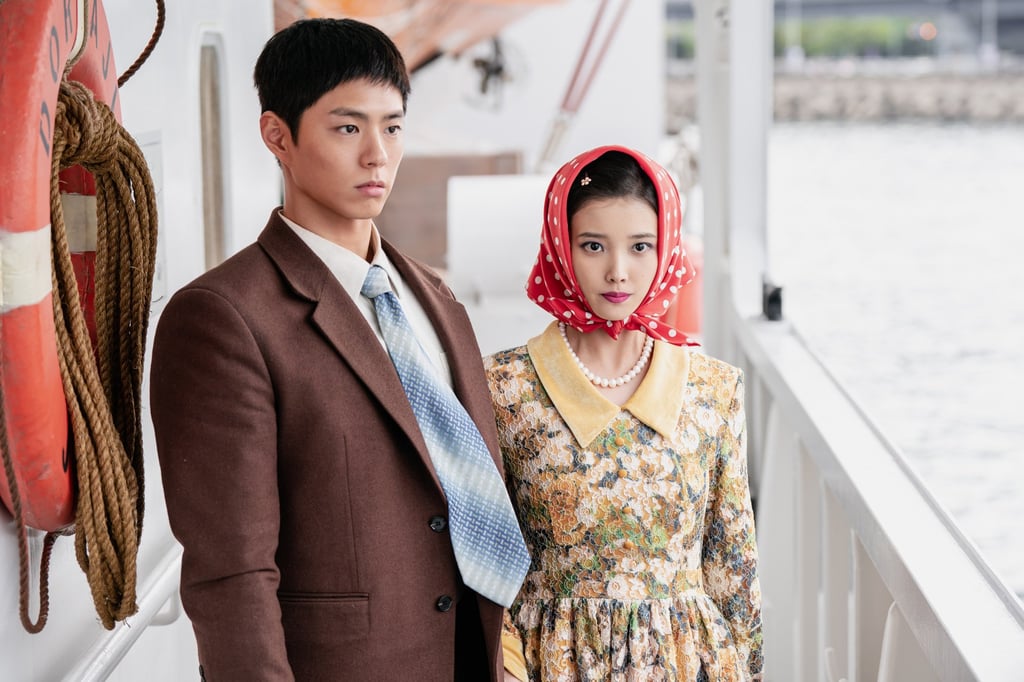
“From subtitles and dubbing to nuanced cultural adjustments, reducing barriers for global viewers requires meticulous effort,” he said.
The series’ English title transformed the US proverb, “When life gives you lemons, make lemonade,” by swapping lemons for tangerines.
Song also emphasised co-production with local creators and casting diverse artists as vital for accessibility. “K-content is no longer simply stories made in Korea and exported abroad. For sustainable growth, it must evolve into ‘Made with Korea,’” he said.
Go Sam-seok, a professor at Dongguk University, noted that Southeast Asia is a focal point. “China is heavily investing there, but when these countries seek partners, they look to Korea rather than the US or China. If we meet that demand, hallyu can continue to expand,” he said.